
Last updated November 16, 2026
 Driveway & pavers
 Kitchen remodeling
 Bathroom remodeling
 Home additions & ADU
 Roofing
 Windows & doors
 Fence
Free written scope consultation - allowances, timeline, and change-order rules on paper before a single trade is scheduled
Driveway & Pavers Troubleshooting in Garland: Common Problems and How to Fix Them
If your pavers are sinking in the same spot every year, you’re not dealing with a paver problem. You’re dealing with a drainage or base failure that will eat every repair you throw at it until the underlying cause gets fixed. We see this constantly in Garland: a homeowner fills a dip with sand, sets a few pavers back down, and twelve months later the dip is back in exactly the same place. The pavers were never the issue. The soil under them was. This guide walks you through how to diagnose what’s actually failing under and around your driveway or paver surface, how to tell a cosmetic problem from a structural one, and how to decide between a targeted repair and a full reset before you spend money on the wrong fix.
Quick Answer
Most paver problems in Garland come down to three root causes: water that can’t escape because the base or slope is wrong, soil movement from the expansive clay under most North Texas yards, and edge restraints that were never set deep enough to hold the field in place. Fixing the visible dip without fixing the cause buys you about one season of looking fine. A proper repair identifies which of the three is failing first, then rebuilds the base, the drainage path, or the edge to match.
Styles & brands we work with
- Kitchen remodeling
- Bathroom remodeling
- Home additions & ADU
- Roofing
- Windows & doors
- Driveway & pavers
- Fence
Table of Contents
- Why Are My Pavers Sinking? Three Root Causes You Need to Tell Apart
- How Do I Know If It’s a Drainage Problem or a Base Problem?
- What Is the White Staining on My Pavers, and When Should I Worry?
- A Step-by-Step Diagnostic for Sunken Paver Sections
- How Garland’s Spring Saturation and Summer Bake Move Your Pavers
- Weeds, Cracks, and Joint Failure: Fixing the Small Stuff Before It Spreads
- Partial Repair or Full Reset? How to Run the Numbers
- Choosing Paver and Base Materials That Hold Up in Garland
Why Are My Pavers Sinking? Three Root Causes You Need to Tell Apart
Sinking pavers almost always trace back to one of three failure modes, and each one has a different fix. If you treat all three the same way, you’ll be back where you started within a season. Here’s what separates them.
Poor compaction at install. This is the most common shortcut. A proper paver base gets laid in lifts of a few inches and compacted with a plate compactor between each lift. Skip a lift, or compact too little, and the base stays loose under the surface. The pavers look fine for a while, then the loose base settles unevenly where foot and vehicle traffic hits it hardest. The fix is base replacement in the affected area, recompacted in lifts.
Expansive clay movement. Garland sits on the same blackland clay that runs through much of the Dallas area. That clay swells when it takes on water and shrinks hard when it dries out. A driveway slab or paver surface over clay that wasn’t given proper edge restraint and drainage will move with the soil. The fix here isn’t just recompacting the base. It’s getting water away from the slab edge so the clay stops going through wet-dry cycles directly under the pavers.
Edge restraint failure. Pavers are held in place laterally by an edge restraint set in concrete or spiked deep into stable soil. If the edge restraint was set too shallow, or the soil behind it eroded, the field spreads outward and dips form near the edges. You’ll notice sinking first along the driveway apron, against the garage, or along the outside edge where water drains toward the lawn. That pattern is the tell.
If your sinking, shifting, or drainage issues are wider than one section and the whole site needs rethinking from the base up, that’s work we handle as part of our driveway & pavers service. For a single failing panel, the diagnostic below is usually enough to decide what to fix.
How Do I Know If It’s a Drainage Problem or a Base Problem?
The quickest test is where the low spots sit. Drainage failures pool and settle in the middle of the driveway or on the downhill side of the slope. Base compaction failures settle wherever the most traffic crosses, usually straight in line with the tires. Same dip, different cause.
Here’s how to think through the two:
- Drainage first. Watch the surface during the heaviest rain of the spring. Standing water for hours after the rain stops means the surface slope is too flat or the drainage path is blocked by silt, leaves, or a settled apron. If water runs toward the house or garage instead of away, that’s a drainage failure and repairing the pavers without fixing the slope is pointless.
- Base second. If water drains off cleanly but the surface still dips where the car parks, the base below has lost compaction or the subgrade under it has moved. This is the compaction failure case.
- Edge third. If the sinking starts at the outer edge and works inward, the edge restraint is the problem. Push on the outside pavers with a screwdriver handle. If several move together as a block, the restraint has let go.
Most Garland driveways we look at have two of these three going at once. A driveway with a flat slope that doesn’t drain and a base that was compacted in one thick lift instead of layers will pool and settle at the same time. Addressing only one is what turns a repair into a repeat visit.
What Is the White Staining on My Pavers, and When Should I Worry?
The white chalky film on paver faces is called efflorescence, and it’s a mineral deposit that gets pulled to the surface as moisture moves through the concrete. In most cases it’s cosmetic. It fades with weathering and a plain water rinse, and it isn’t a sign the pavers are failing.
The distinction that matters is where it shows up and whether it keeps coming back:
- Cosmetic efflorescence shows up as a thin, even haze across a broad area, usually in the first year or two after installation, and gets lighter with each rain. It eventually stops. No repair needed.
- Moisture-intrusion warning efflorescence shows up as a concentrated stripe along a joint, an edge, or the perimeter of a repair. It reappears after every wet period. That pattern means moisture is traveling through the base and up through the joint, not evaporating off the surface. It often points to a drainage issue under the pavers or a broken edge restraint letting water into the base from the side.
- Efflorescence with joint sand loss is the clearest warning. If the white film appears right where the sand has washed out, water is moving through the joint rather than across the surface. That’s a repair flag, not a cleaning job.
The test is simple: rinse the area with a hose, note where the staining concentrates, and check the same spot after a couple of weeks of normal weather. If the pattern comes back in the same stripe, the fix is under the pavers. If it fades away broadly, you’re fine.
A Step-by-Step Diagnostic for Sunken Paver Sections
Before you decide between a spot fix and a full reset, run this diagnostic. It takes about an hour and tells you whether the failure goes deeper than the surface.
- Map the dip. Set a straight 8-foot level or a long straightedge across the sunken area and note how deep the low spot is and where it sits. Photograph it from two angles so you can measure progress after a repair.
- Probe the joints. Take a stiff wire or a long screwdriver and push it into the joint sand at the center of the dip and at the edge. If it drops freely and easily reaches 4 to 6 inches without resistance, there’s void space under the field. That’s a sign the base has hollowed out, and re-sanding alone won’t fix it.
- Tamp test the surface. Tap each paver in the dip with a rubber mallet. A solid thud means the paver is still supported. A hollow knock means void space under that specific paver.
- Check the edge. Push the outermost row of pavers outward. Movement more than half an inch means the edge restraint has failed or was never set at the right depth.
- Check the slope. Place a level on the driveway pointing toward the street. It should show a slight fall toward the street or a drainage inlet. A level reading of zero or falling toward the garage is a slope problem.
- Decide the fix. Hollow knock with intact slope and stable edge: lift the affected pavers, re-compact the base in thin lifts, reset the pavers, re-sand. Any of the three checks failing together (void space plus failed edge, or flat slope plus hollow knock): plan for partial base replacement, not just re-leveling.
If you don’t have a plate compactor in the garage, step 6 is where a lot of homeowner fixes stall. Lifting pavers is easy; recompacting the base to the depth it needs is not a hand-tamp job.
How Garland’s Spring Saturation and Summer Bake Move Your Pavers
Most visible paver movement in Garland shows up in two windows: after the spring rains, and after the long dry stretch of midsummer. In the spring, the ground takes on water faster than it drains, especially on lots with heavy clay under the surface. The clay swells, the base below the pavers gets saturated, and any compaction weakness in the base shows up as a dip within a few weeks. By late summer, the same clay shrinks back, and the pavers that were fine in May can sit slightly loose because the material under them has pulled away.
That rhythm is what makes a spring repair the wrong instinct. If you fill a dip in April before the ground has fully settled, you’re re-leveling against soil that’s still moving. The better window is after the spring saturation has passed and the surface has had a few dry weeks to stabilize – usually late spring into early summer, before the ground starts shrinking hard again. That’s when a repair actually holds through the next wet cycle.
Summer bake also cracks joint sand and opens up paving in areas with poor water shedding, so any repair you schedule in midsummer should include a joint sand re-fill and a slope check. New pavers set into a drained, correctly compacted base in that window are far less likely to shift when the next round of heavy weather comes through Garland.
Weeds, Cracks, and Joint Failure: Fixing the Small Stuff Before It Spreads
Small paver problems are cheaper to catch early, and the reason is water. Every weed pulling up sand, every widened joint, and every hairline gap between two pavers gives rainwater a path down into the base. Once that water gets in, the base compaction underneath starts to soften – and that’s how a cosmetic gap becomes a structural dip.
What to look for:
- Weeds in the joints mean the joint sand has worn lower than the paver face. Re-sanding brings the level back and closes the weed pathway.
- Widened joints, especially along a line often signal the field is spreading laterally. The edge restraint is losing grip, and the fix is repair at the edge, not just more sand.
- Reappearing cracks in a concrete apron or the perimeter band point to movement underneath, not damage to the concrete itself. Filling the crack without checking the base just hides the movement.
Polymeric joint sand, applied correctly to a dry surface and activated per the manufacturer’s instructions, holds up better in Garland than plain sand because it resists washout during heavy spring rain. That’s a small upgrade with an outsized effect on how long a repair stays put.
Partial Repair or Full Reset? How to Run the Numbers
A partial repair makes sense when the damage is localized and the surrounding base is still solid. A full reset makes sense when the failures are widespread or the current base was never built to spec. The decision turns on four questions:
- How much of the surface is affected? A single dip under a tire track is partial-repair territory. Sinking along the whole driveway length is not.
- Is the base under the damaged area sound? If the probe test shows void space only in the dip, lift the affected pavers, recompact, and reset. If hollow knocking extends well past the visible dip, the base has failed under more than the surface shows.
- Are the edge restraints still functional? Failed edge restraints on more than one side usually mean the whole field needs to be reset with a reinforced edge and deeper set depth.
- Was the base ever built right? If the driveway was installed in one thick lift of base material and never recompacted, you’ll chase dips one at a time for years. A full reset with proper lift-and-compaction and a confirmed slope fixes it once.
The rough rule we use on Garland properties: if a single repair area is under about a quarter of the driveway and the base and edge test clean, a partial repair is worth doing. If the same dip has been repaired before and has come back, the base under it was never right in the first place, and a full reset with proper base spec is the cheaper path over time.
When you’re ready to bring a professional in, we take the diagnosis seriously before we quote a scope. That’s the same approach we take across every exterior project we handle, from pavers to fence installation to home additions & ADU work, all under one contractor so the plans don’t get lost between vendors.
Choosing Paver and Base Materials That Hold Up in Garland
What sits under the pavers matters more than what pavers you choose, but the pavers themselves should reflect how hard the surface gets used. On most Garland driveways, that means an interlocking concrete paver, not a thin cast paver or a stamped overlay. Interlocking pavers are designed to move as a single field; when installed on a properly compacted base with a buried edge restraint, the pavers share load and resist the individual settling that stamped concrete eventually shows.
The base layer needs a proper crushed stone aggregate, laid and compacted in multiple thin lifts, not a single pour of sand. Sand bases look easy to work with and fail in the exact same spot twice. We work with hardscape material from the leading manufacturers – Belgard, Unilock, Techo-Bloc, and Cambridge Pavers – so the driveway can be matched to the field’s design, not the closest thing in stock. That’s the same principle we apply across the rest of the home, where our material library runs from premium countertop brands like Cambria, Caesarstone, and Silestone through cabinetry from KraftMaid and Wellborn, roofing systems from GAF and CertainTeed, and prefab ADU options from Plant Prefab and Tuff Shed. You choose the material; we bring the expertise to install it correctly.
Common Mistakes to Avoid
- Re-sanding without checking the base. If the joints are low but the pavers still knock hollow, the sand is going to wash straight back out. Fix the base first, then re-sand.
- Filling dips with sand and tamping by hand. Hand-tamping doesn’t reach the compaction a plate compactor achieves, so the sand settles again in weeks. The dip needs a real base repair under it.
- Ignoring the edge restraint while fixing the center. If the field can still spread outward, any repair to the center will drift again as the edge moves. Repair the edge first.
- Skipping the slope check after a repair. If the repaired section doesn’t fall toward the street or drainage point, water pools in it and the repair fails on the first heavy rain.
- Assuming efflorescence is a paver defect. If the white haze fades and doesn’t return, it’s cosmetic. If it comes back in the same stripe, it’s a moisture path and needs diagnosis.
- Waiting until spring to schedule a repair. The best time to repair in Garland is after the spring saturation passes and the ground has dried for a few weeks. Scheduling in the middle of the wet period means re-leveling against still-moving soil.
- Choosing a paver base for speed instead of depth. A sand-only base is faster and cheaper to lay and fails faster, especially on clay. Ask about the base spec in lifts and compaction before signing any paver quote.
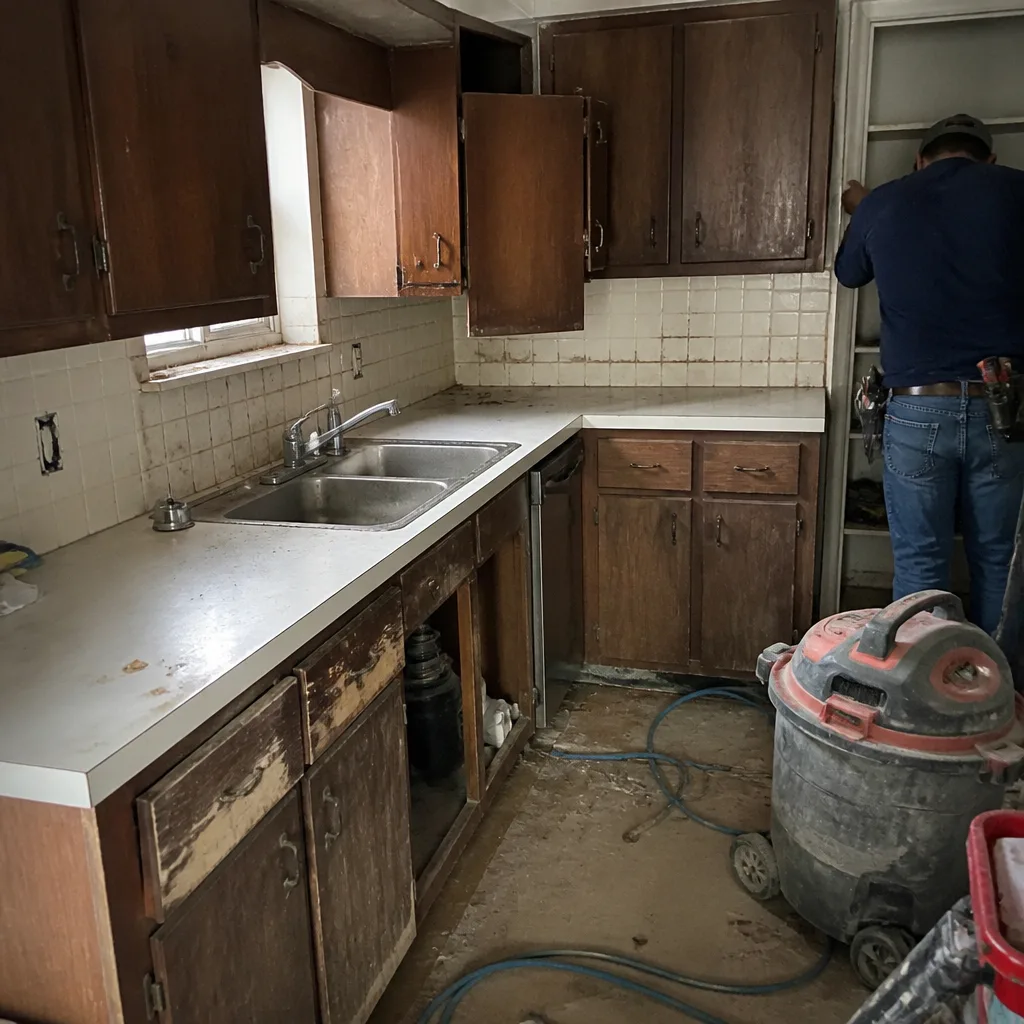
See the difference
 Before
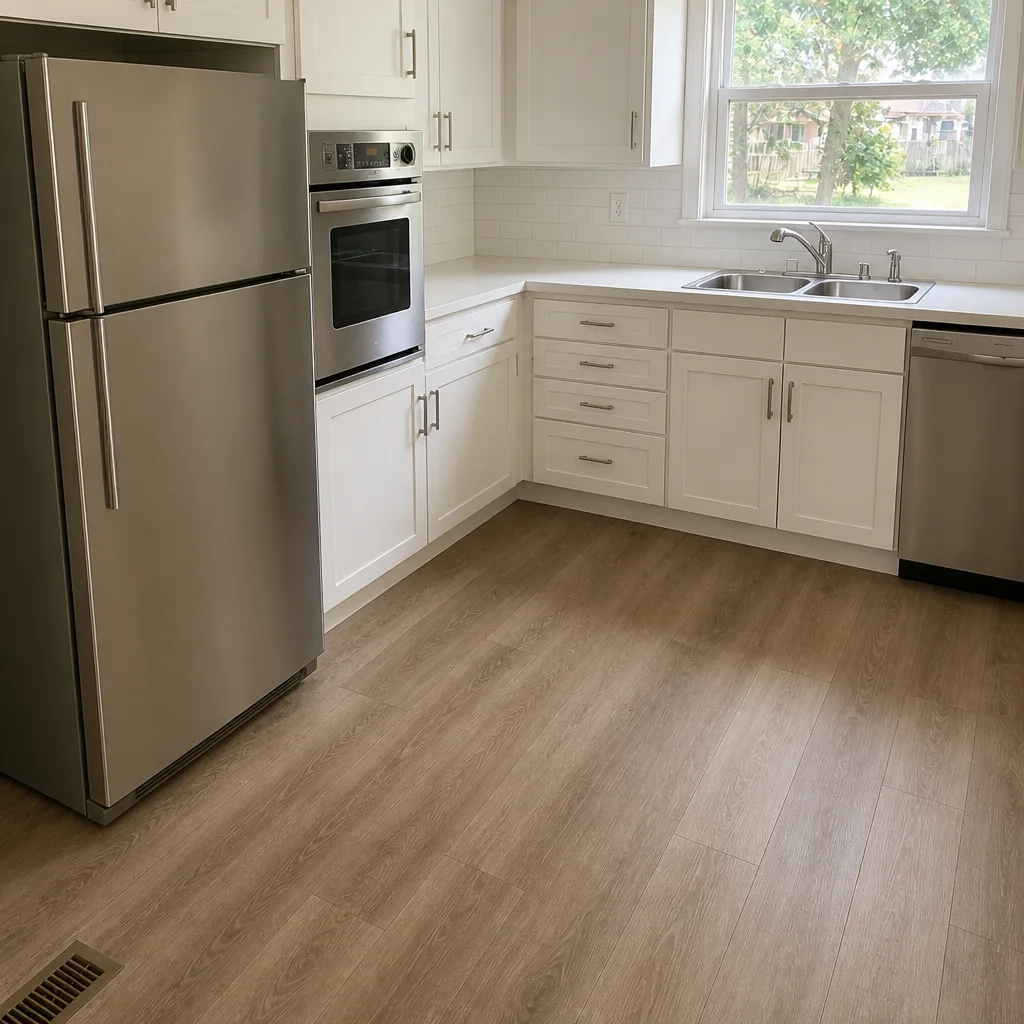 After
 Before
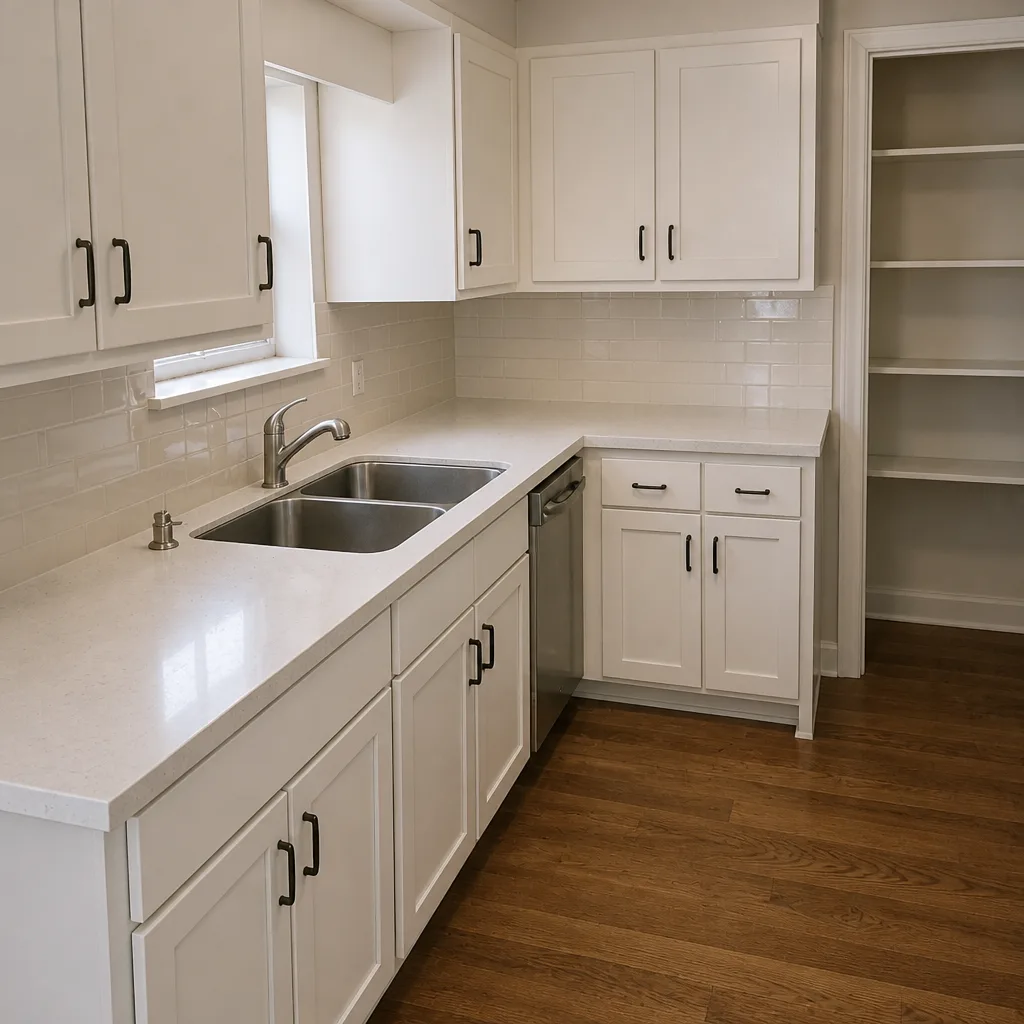 After
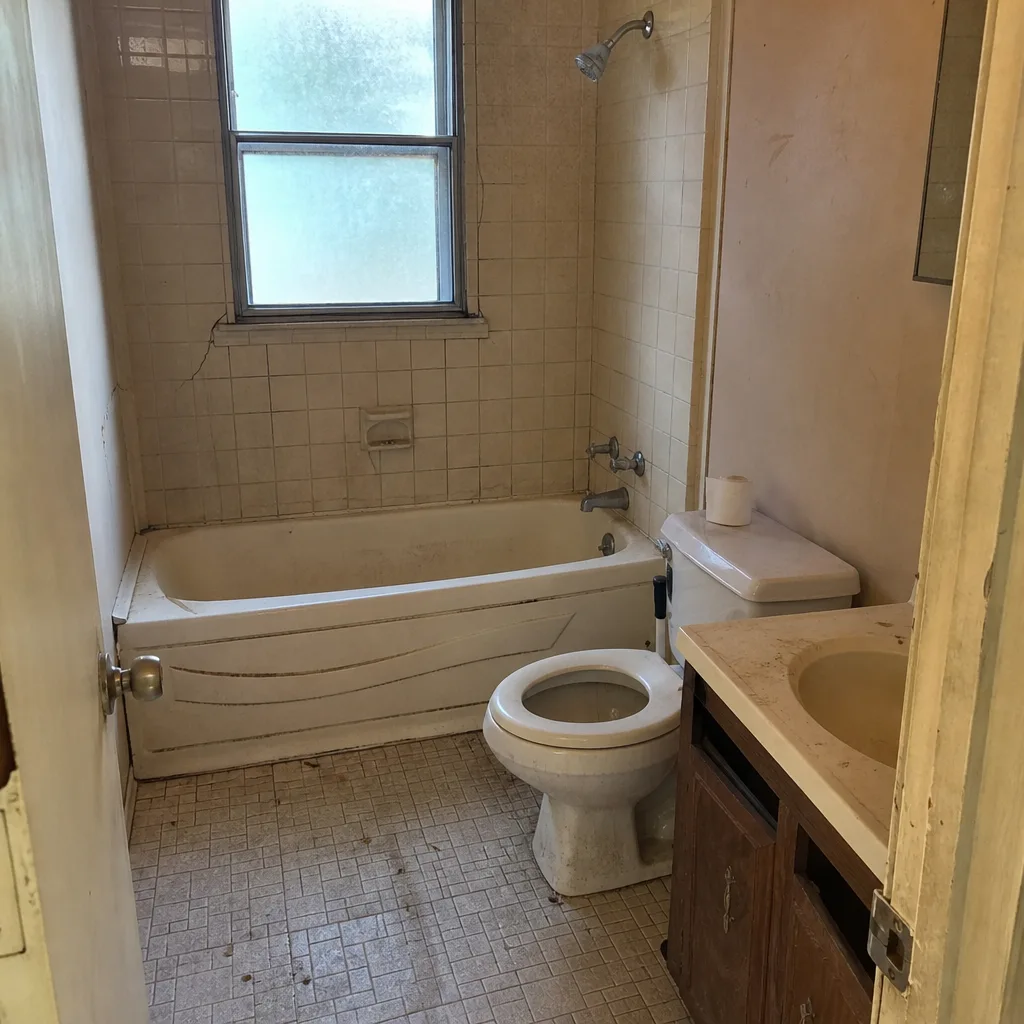 Before
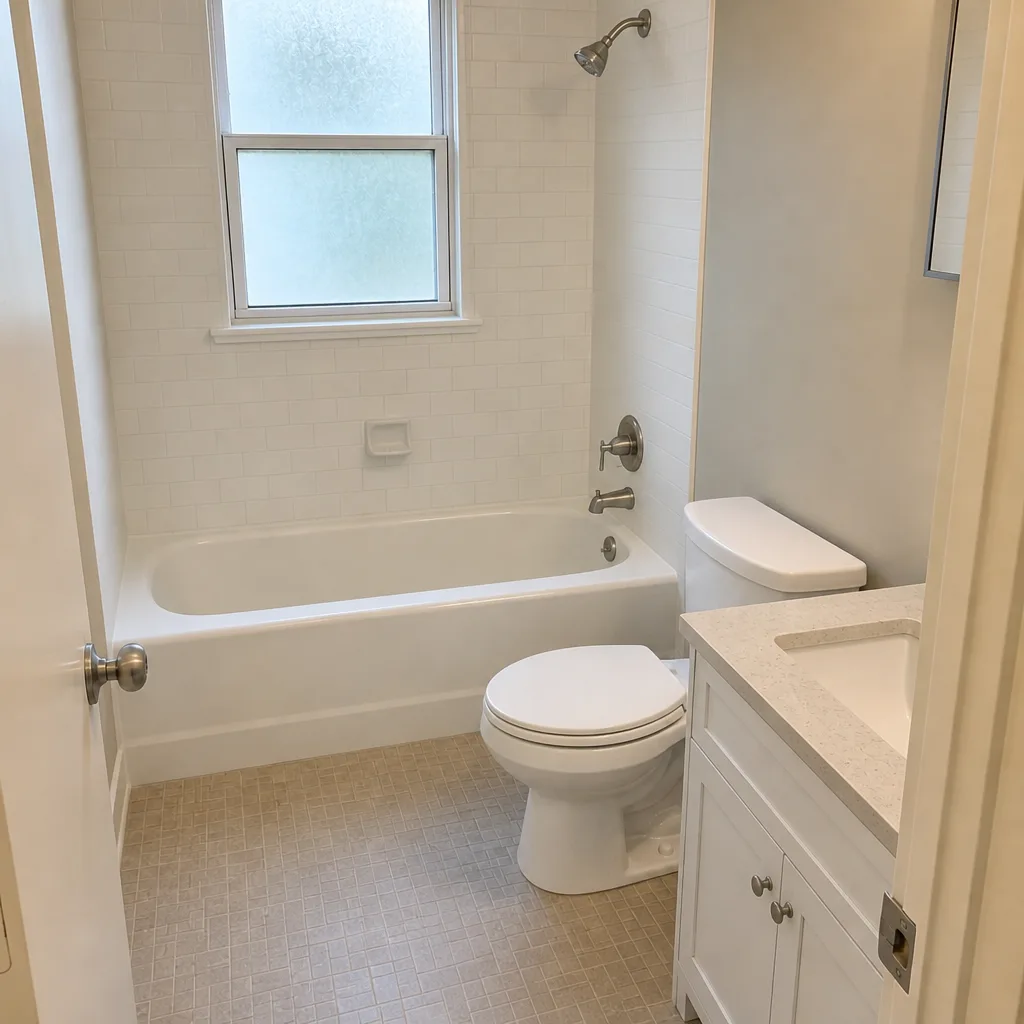 After
When to Call a Professional
Some paver problems are safe to troubleshoot yourself: a single low spot, weeds in the joints, or an efflorescence question. Others need a professional because the fix requires equipment and structural diagnosis. Call us when the sinking is more than a single paver wide, when the same dip has been repaired before and has come back, when the edge restraint has failed on more than one side, when the driveway drains toward the house or garage, or when water is pooling along the foundation after a heavy rain. These are all signs the base or drainage needs rebuilding, not just re-leveling.
Construction Garland offers free estimates in Garland, with written line-item scopes and fixed pricing so you know the full cost before anything gets lifted. Call (888) 405-7616. We answer 24/7. Fast dispatch from 7am to 7pm, Sunday through Friday. Our technicians have up to 10 years of experience with paver repairs and full driveway resets.
Frequently Asked Questions
Paver repair in Garland typically runs from a small targeted fix to a full reset depending on the scope, and the range is set by the written estimate once we’ve done the probe and slope test. Call (888) 405-7616 for an exact quote – estimates are free.
Because the cause under the pavers never got fixed. If the base wasn’t compacted in proper lifts, or the drainage slope is wrong, or the edge restraint has failed, the same paver section will settle again within a season no matter how many times it’s re-leveled. The fix is identifying which of those three is failing first.
Re-sanding closes the weed pathway for a short while, but if the joints keep wearing low within a few months, the base under the surface is settling and pulling the sand down with it. Polymeric sand applied to a dry surface holds up longer, and if the joints are losing sand faster than once a year, the base needs a look.
Not by itself. A broad, thin white haze that fades with rain is cosmetic. White staining that reappears in a concentrated stripe along a joint or edge, or that shows up where the sand has washed out, points to moisture moving through the base. That pattern needs diagnosis, not a cleaning.
That depends on how much area is failing and whether the base was built to spec. A localized dip with a sound base and intact edge restraint can be repaired in place. Widespread sinking, multiple failed edge sections, or a base that was never compacted in lifts points to a full reset, which costs more up front but stops the cycle of repeat repairs.
Most driveway and hardscape work doesn’t need a permit unless it touches the right-of-way or a structure, but neighborhood and city rules vary by lot, so we confirm before the work starts. Ask your city’s building department, and we’ll walk through the scope in the written estimate so nothing gets assumed.
The Bottom Line
Sinking pavers in Garland are almost never a paver problem – they’re a drainage, base, or edge-restraint problem wearing a paver disguise. Diagnose before you repair: probe for void space, tap-check for hollow pavers, test the edge, and confirm the slope. If the failure is localized and the base and edge check out, a partial repair done correctly will hold. If the same dip has been fixed before, or the base was never built in proper lifts, a full reset with updated base spec costs less over the years than chasing identical repairs. Whites on the surface are usually cosmetic; whites in a stripe mean water is moving through the base. And schedule the repair after spring saturation has passed, not in the middle of it, so the fix has a stable surface to sit on. From driveway to roofline, we handle the whole scope under one contractor so your exterior work doesn’t get split across vendors who blame each other. See the full picture at Construction Garland.
Call (888) 405-7616 to schedule your free estimate. We answer 24/7. Fast dispatch from 7am to 7pm, Sunday through Friday. Written line-item quotes, fixed pricing with no change orders, and a workmanship warranty on every repair.
Written by the team at Construction Garland.