
Last updated November 16, 2026
 Home additions & ADU
 Kitchen remodeling
 Bathroom remodeling
 Roofing
 Windows & doors
 Driveway & pavers
 Fence
Free written scope consultation - allowances, timeline, and change-order rules on paper before a single trade is scheduled
Seasonal Construction Care for Garland: Year-Round Homeowner’s Guide
Most national home maintenance calendars were written for temperate climates with gentle spring thaws and slow autumns. Garland doesn’t run on that clock. Here, the real risk windows are compressed: a narrow spring moisture surge that stresses foundations and drainage, followed by a long stretch of sustained heat that ages roofing, caulk, and exterior coatings faster than manufacturer warranties assume. The gap between “schedule it” and “emergency repair” on a roof or a foundation drainage issue can close in a single heavy spring rain event. This guide lays out the four maintenance windows that actually matter in Garland, what to inspect inside each one, and where simple upkeep crosses into work that needs a permit and a licensed crew.
Quick Answer
Garland homeowners should inspect roofs, gutters, caulk joints, fence lines, and foundation drainage four times a year: before storm season, after the spring rains, during peak summer heat, and before the first freeze. The two highest-risk periods are the spring moisture surge, which exposes drainage and slab problems, and the prolonged summer heat cycle, which accelerates failure of shingles, sealants, and concrete. Anything beyond surface inspection or minor repair should go to a licensed contractor with a written, line-item estimate.
Styles & brands we work with
- Kitchen remodeling
- Bathroom remodeling
- Home additions & ADU
- Roofing
- Windows & doors
- Driveway & pavers
- Fence
Table of Contents
- Why Garland’s Climate Doesn’t Follow the National Maintenance Calendar
- The Four Maintenance Windows That Actually Matter
- Pre-Storm-Season: What to Inspect Before the Spring Rains
- Post-Spring-Rain: Reading Your Drainage and Foundation
- Peak-Heat Season: How UV and 100°F Days Age Your Exterior
- Pre-Freeze: The Brief North Texas Cold Snap and What It Damages
- Foundation Irrigation Protocol for Garland’s Clay Soils
- When Seasonal Maintenance Crosses into Permitted Repair
Why Garland’s Climate Doesn’t Follow the National Maintenance Calendar
National maintenance checklists tend to assume four roughly equal seasons, with an easy spring ramp-up and a long, cool autumn to finish exterior projects. Garland doesn’t hand out equal seasons. Our calendar compresses into a wet spring window, a long hot summer, a short cool-down, and a brief but sharp cold snap. The risk concentrations fall in different places than a northern climate’s, and the tasks that protect a home here are not the same ones a Vermont homeowner writes into their fall list.
Two factors drive almost every seasonal repair in Garland. The first is water arriving in concentrated bursts. Spring storms can dump significant rainfall in hours, and the ground has limited time to absorb it. That water finds every weak point in grading, gutters, fence post footings, and slab drainage. The second factor is heat that lingers. Garland summers regularly spend weeks in the high 90s and above, and that sustained exposure degrades roofing granules, exterior caulk, wood composites, and concrete flatwork in ways most product warranties don’t anticipate.
What that means for you is that seasonal care in Garland isn’t about protecting a house from snow load or ice dams. It’s about controlling water when it arrives fast and managing heat damage across a long, punishing summer. Get those two jobs right and most of the rest of the maintenance calendar falls into place.
For a broader look at how the full scope of exterior and interior work fits together under one contractor, see Construction Garland.
The Four Maintenance Windows That Actually Matter
Four windows on the calendar do almost all the work in Garland. Each one has specific inspection tasks, and each one catches different problems before they get expensive. Here’s the framework we recommend, whether or not you ever hire a contractor for it.
- Pre-storm-season (late February through early March): roof deck inspection, gutter and downspout clearance, flashing check at chimneys and penetrations, fence post and panel inspection, grading review around the slab.
- Post-spring-rain (late April through May): drainage pattern review, foundation crack monitoring, caulk joint inspection at windows and doors, driveway and patio surface check, wood composite and fence rot inspection.
- Peak-heat (July through August): shingle granule loss check, caulk and sealant condition on every exterior joint, paint and coating blistering, concrete flatwork surface condition, AC condensate line routing.
- Pre-freeze (November through early December): exterior faucet and hose bib inspection, caulk joint re-check before the cold, roofing flashing re-seal, gutter re-clearance, and any drainage work that needs to finish before the ground cools.
Notice what’s not on the list: post-winter ice dam review, basement seepage checks, and chimney creosote sweeps. Those belong to a different climate. The four windows above are the ones that map to Garland’s actual weather pattern. Each gets its own deeper look in the sections that follow.
Pre-Storm-Season: What to Inspect Before the Spring Rains
The pre-storm-season window is the most valuable one on the calendar because it’s the only one where you’re working ahead of the problem. Once the spring storms start, the time for inspection and small repairs is largely gone. Roof leaks that show up during a rain event are, at that point, active water intrusion, not a maintenance item.
Start at the roofline. From the ground with binoculars, look for missing, lifted, or curling shingles; sagging sections; and dark streaks that suggest granule loss or trapped moisture. Check the flashing around chimneys, vent pipes, and skylights. A roofing system in good condition should be uniform, with no obvious soft spots or accelerated wear in one area. If you see concentrated damage, the roof is telling you something, and it’s usually better to have it looked at before the next storm than after.
Then work downward. Gutters and downspouts are the single most overlooked component before spring rains. A clogged downspout that dumps water against the foundation is one of the fastest ways to lose a slab section and one of the cheapest problems to prevent. Clear gutters, confirm downspouts discharge well away from the house, and if you have a splash block, check it’s still under the outlet.
- Check roof shingles for granule loss, curling, or lifted edges.
- Confirm flashing at chimneys and pipe penetrations is intact.
- Clear gutters and verify downspout discharge points.
- Look at the grading around your slab: water should flow away, not pool.
- Inspect fence posts and panels for storm-loosened connections.
- Walk the driveway and patio, marking any new cracks or settling.
If your fence is showing its age and you’re weighing repair versus replacement, our team can walk you through material options during a free estimate for fence installation.
Post-Spring-Rain: Reading Your Drainage and Foundation
The post-spring-rain window is your diagnostic period. During the wet weeks, the house reveals problems it hides the rest of the year: low spots where water pools, slab cracks that widen and narrow with moisture, and drainage paths that dump water where you don’t want it. This is the time to look with fresh eyes and note what you see.
Walk the perimeter of the house after a heavy rain, ideally within a few hours, while the evidence is still on the ground. Look for standing water against the foundation, damp spots near downspout outlets, and any puddle that takes more than 24 hours to drain. All of those are signals that the grading or drainage in that spot needs adjustment. On Garland’s expansive clay soils, water that pools against a slab and then dries out repeatedly is one of the leading causes of foundational movement.
Then check the interior of the slab. Any new cracks in drywall near the corners of rooms, doors that suddenly stick, or windows that don’t close the way they used to are worth noting. Garland homes on older slabs can show signs of movement after a wet spring. It doesn’t always mean a structural problem, but the pattern matters, and a small repair early is almost always cheaper than a structural fix later.
- Note any pool of water that lingers more than 24 hours after rain.
- Photograph any new crack in drywall, slab edge, or patio surface.
- Check for door or window sticking that wasn’t there a few months ago.
- Inspect fence post footings for loosened soil or leaning.
- Confirm downspouts still discharge at least a few feet from the slab.
- Look for gaps in caulk around windows and doors post-rain.
If the driveway or patio lifted during the wet season, or the hardscape is due for real repair, our team can scope that during a free estimate for driveway & pavers.
Peak-Heat Season: How UV and 100°F Days Age Your Exterior
Garland’s summer heat is the most underrated maintenance threat in the calendar. Most homeowners think of heat as discomfort, but to an exterior material it’s a slow, sustained stress test. Shingle granules, caulk, exterior paint, wood composites, and concrete all age faster under weeks of 100°F-plus exposure than product data sheets assume because those sheets are written for average exposure, not the concentrated summer runs common in North Texas.
The roofing layer is where it shows first. Asphalt shingles shed their protective granules over time, and that shedding accelerates in sustained heat. If you see bald patches or dark spots on a roof after a long summer, the protective layer is thinning, and the shingle is closer to failure than its age suggests. Specific shingle lines in the Tamko lineup, for example, are engineered for heat performance, but even those need a visual check after a tough summer. If a roof is entering its third decade of a typical asphalt lifespan, schedule an inspection in peak heat rather than waiting for a leak to announce itself.
Caulk and sealant joints are the second major exposure. The caulk beads around windows, doors, and fascia take direct UV and expand-and-contract daily. When caulk starts cracking or pulling away from the substrate, water gets behind the joint during the next rain. This is the single most common place where a “small” exterior issue becomes a bigger interior one. Check the caulk lines on the south and west faces of the house in July and August, since those take the most UV.
Concrete flatwork takes heat differently. Summer is when surface cracking in driveways and patios becomes visible, and when small cracks are cheapest to seal. Wood composites used in fencing and decking can show UV fading and surface checking in the same window.
For roof replacement or repair work, we work with material options from six major manufacturers, including GAF, CertainTeed, Owens Corning, IKO, Atlas, and Tamko, and we’ll walk through the specific heat performance of each during an estimate. For a full exterior refresh, our team handles the whole scope, including home additions & ADU if you’re adding square footage to the footprint.
Pre-Freeze: The Brief North Texas Cold Snap and What It Damages
Garland’s cold season is short, but it’s sharp. The handful of hard-freeze nights we get each winter aren’t long enough to trigger the deep winter damage that a colder climate sees, but they are long enough to cause real, visible damage to exterior materials if the house isn’t ready. The pre-freeze window is where a few hours of prep work prevents weeks of repair in January and February.
The mechanism is expansion. When water gets into a crack, joint, or seam and then freezes, it expands, and expansion in a confined space is one of the most effective ways to open a joint wider than it started. That’s why the pre-freeze checklist focuses on sealing and closing any water entry point, not on protecting from heavy snow or long ice. The threat here is short cycles of freeze and thaw that open caulk joints, lift flashing edges, and crack concrete or pavers.
- Re-inspect all exterior caulk joints. Any joint with a gap, crack, or pulled edge gets re-sealed before the first hard freeze.
- Check roofing flashing around chimneys and penetrations; fresh sealant at those points prevents freeze-lift.
- Disconnect garden hoses and drain exterior hose bibs.
- Clear gutters and downspouts one more time so the water that freezes has somewhere to go.
- Walk driveways, patios, and paver surfaces. Any open crack should be sealed before the first freeze, not after.
- Check fence post footings and any wood composite joint where water might sit.
The freeze-thaw damage doesn’t always announce itself in the moment. It often shows up months later as a widening caulk gap, a new crack in a paver surface, or a bit of daylight at a flashing edge. That lag is exactly why the pre-freeze window is worth the effort.
Foundation Irrigation Protocol for Garland’s Clay Soils
Garland sits on expansive clay soil, which means it moves with moisture more than most homeowners expect. In a wet spring, the clay swells. In a dry summer, it shrinks. Over a dry season that runs weeks in Garland, the clay contracts away from the slab, and the slab loses part of its support. The result is the wall cracks, door sticking, and slab movement that we hear about most often in September and October, months after the heat started.
The counter isn’t more water; it’s steadier water. A soaker hose program that maintains consistent moisture in the soil around the foundation does more to protect a Garland slab than any occasional deep watering. The goal is a stable moisture content, not a saturated one. Consistent is the operative word.
- Lay a soaker hose 12 to 18 inches from the foundation on the sides that get the most sun.
- Run the soaker on a consistent schedule through the dry months, keeping the soil around the slab moist but not saturated.
- Avoid dumping large volumes of water in a single session; the goal is to stabilize moisture, not flood the soil.
- Walk the perimeter after each rain and after each soaker run to check for pooling or runoff.
- Keep downspouts discharging well away from the foundation so bulk water from storms doesn’t undo the soaker work.
- Watch for new diagonal cracks at the corners of doors and windows as a sign the moisture is trending too dry or too wet.
If you’ve already seen movement or slab cracking that concerns you, a foundation specialist should look at it before the next dry season. Our team can recommend a structural contractor in Garland if the scope is beyond surface repair.
When Seasonal Maintenance Crosses into Permitted Repair
A lot of what looks like maintenance in Garland actually needs a permit. The line between “upkeep” and “permitted repair” is a real one, and crossing it without a permit can create problems at resale, with your insurer, and with any future contractor who has to work on top of unpermitted work. Knowing roughly where the line is helps you decide when to call a licensed contractor and pull the right paperwork.
The general rule across most Texas cities is that structural repair, substantial roofing replacement, and anything that changes the footprint or envelope of the home requires a permit and, usually, inspection. For a typical seasonal maintenance job, the thresholds look something like this:
- Surface-level maintenance – clearing gutters, sealing a small crack, replacing a piece of caulk, or touching up paint – generally doesn’t require a permit.
- Roofing replacement over a substantial portion of the roof usually requires a permit from the city’s building department, and local rules can require inspection.
- Structural repair – any work that touches framing, load-bearing walls, or added foundations – almost always requires a permit and inspection.
- Fence replacement can trigger permit or height-limit rules depending on lot location and height, so check with the city before replacing a fence in Garland.
- Driveway and paver replacement in some cases requires a permit if it affects drainage or the public right-of-way.
- Additions and ADUs always require permitting, and the specific requirements vary by lot and scope.
When a job crosses the threshold, working with a licensed contractor who pulls permits and passes inspection is the difference between a clean repair and an expensive surprise years later. Our team pulls the permits and passes inspection on every job we take on, and we’ll tell you now if a small repair is actually a permitted job. For ADU projects specifically, we can talk through both custom-built and prefab pathways, including options from Abodu, Dvele, Boxabl, and Plant Prefab, during a free estimate.
Common Mistakes to Avoid
- Following a national maintenance calendar. Many seasonal checklists online are written for a colder climate with ice dams and basement seepage. In Garland, the real windows are spring moisture, summer heat, and freeze-thaw. The tasks are different.
- Treating “maintenance” and “permitted repair” as the same thing. A roofing replacement or structural repair on a Garland home usually needs a permit. Skipping it can create problems at resale or with your insurer, and a contractor who doesn’t pull one is telling you something about how they work.
- Skipping the pre-freeze caulk pass. The most common cold-season damage in Garland is a caulk joint that failed before the first freeze. It’s a small fix that prevents a much bigger one in January.
- Letting the soaker hose program lapse in summer. Garland’s clay soils need consistent moisture around the slab. Occasional deep watering does less than a steady, moderate program.
- Ignoring bald patches on a roof after a hot summer. Granule loss means the shingle’s protective layer is failing. Catching it in peak heat means you have options; catching it in a leak means you don’t.
- Watering against a faulty downspout. A soaker program on one side of a house with a downspout dumping water on the other is the equivalent of balancing a checkbook with one hand tied. Fix the downspout first.
- Assuming a warranty covers heat degradation. Most roofing and exterior product warranties are built around average climate assumptions. Garland’s sustained summer heat can degrade some materials faster than the warranty interval suggests, which is why inspection matters even on in-warranty products.
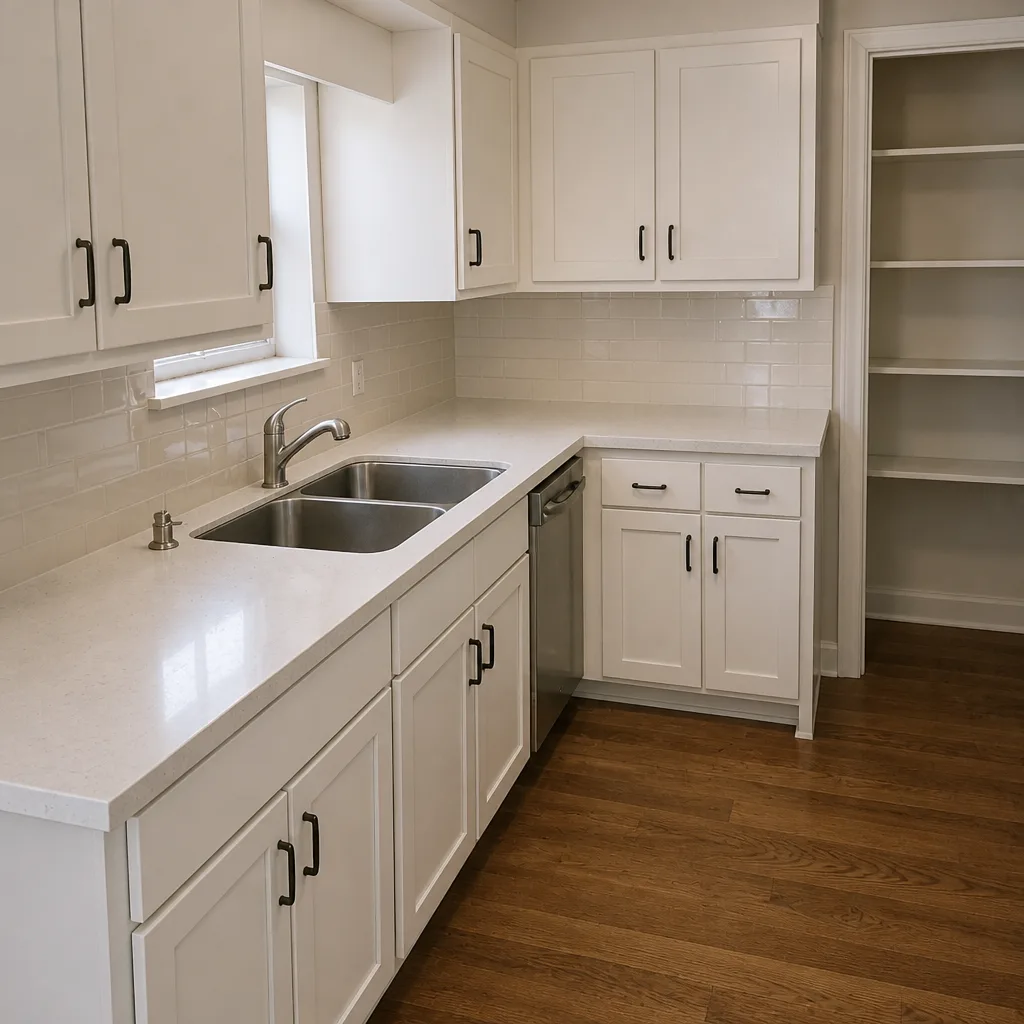
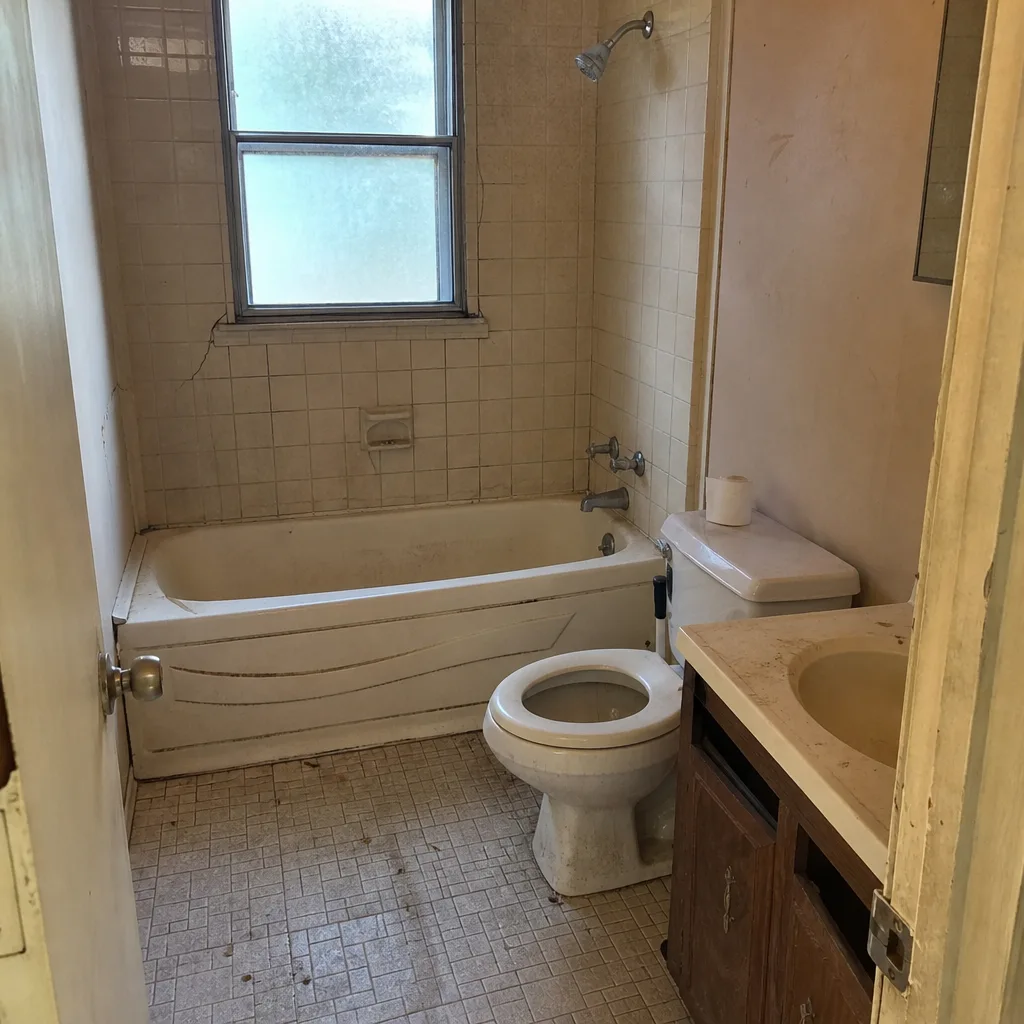
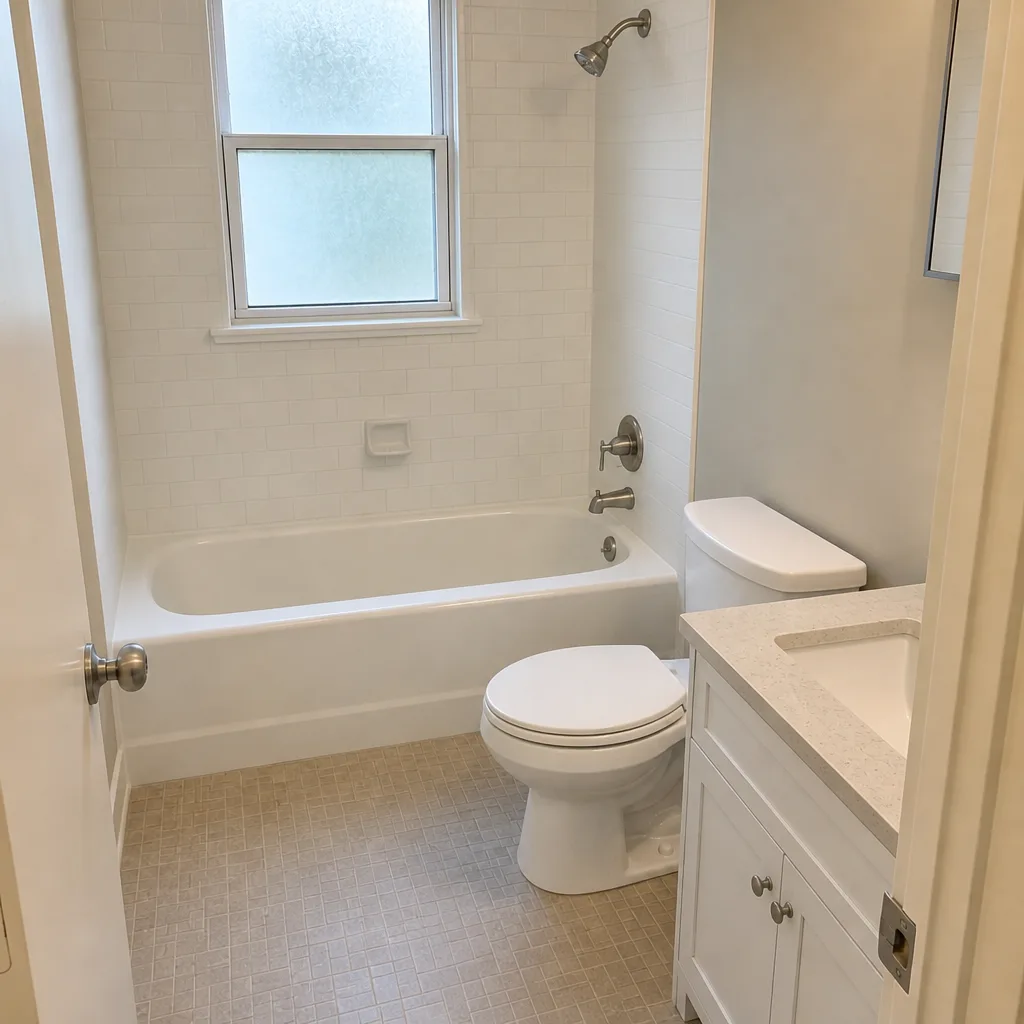
See the difference
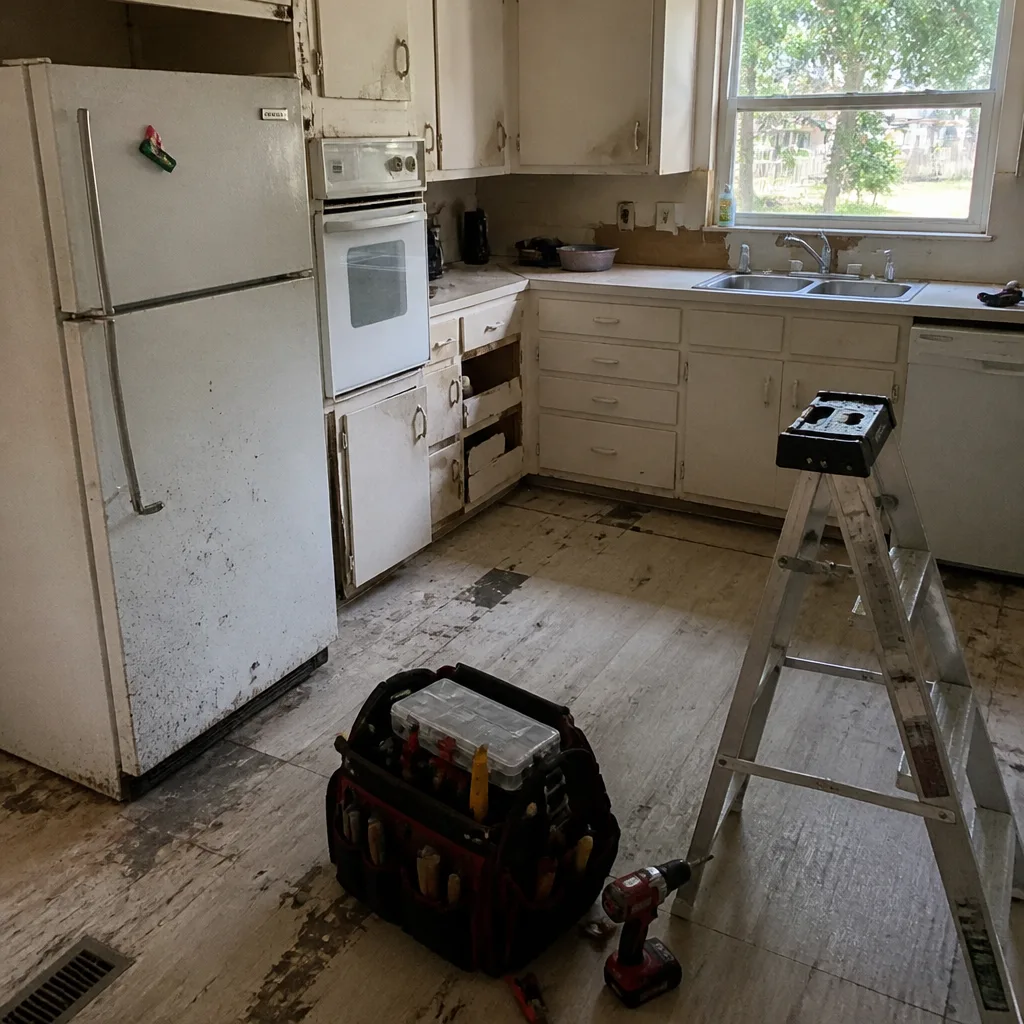 Before
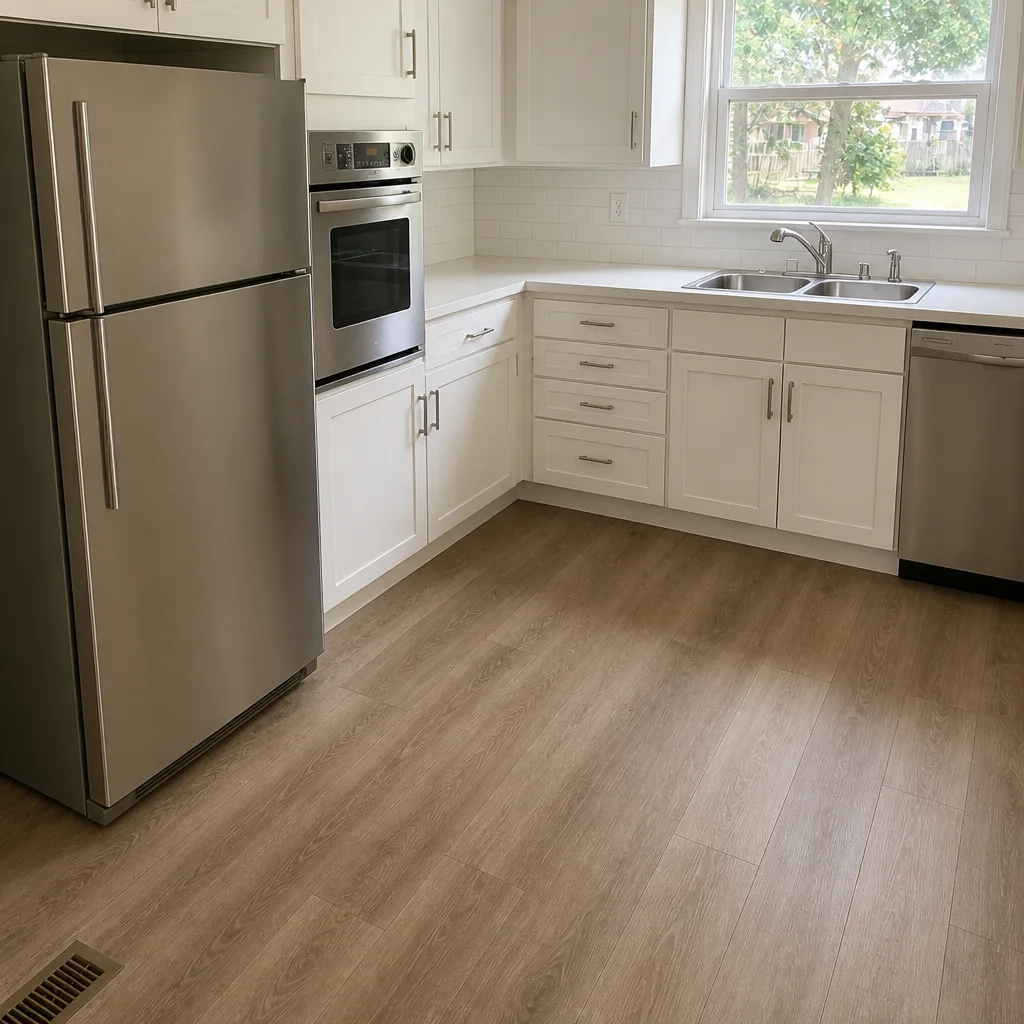 After
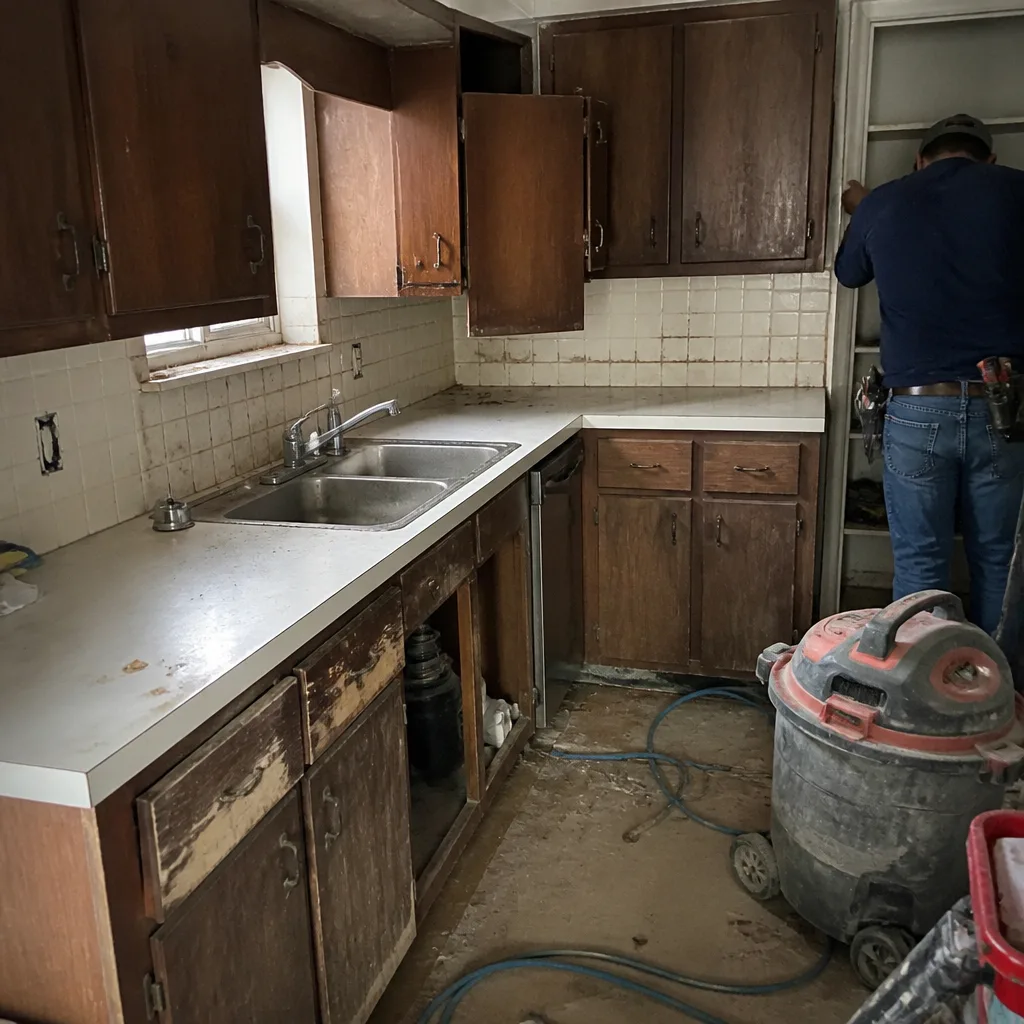 Before
 After
 Before
 After
When to Call a Professional
Some seasonal work is homeowner scope; some isn’t. Call a licensed contractor if you see active water intrusion during a storm, roof shingles that are bald, lifted, or missing across a section, new drywall cracks combined with door or window sticking, foundation cracks wider than a hairline, or a driveway or patio that has settled or heaved. Call before the freeze if you find significant caulk or flashing failure on a home you haven’t had inspected recently. And call before you start any work that touches the roof envelope, framing, or footprint of the house, since that work needs a permit. Construction Garland offers free estimates in Garland. We’ll walk the property, put the scope in writing, and tell you honestly which items are maintenance and which are permitted repair. Call (888) 405-7616 to schedule a free estimate. We answer 24/7. Fast dispatch from 7am to 7pm, Sunday through Friday.
Frequently Asked Questions
Four times a year is the right cadence for Garland: pre-storm-season, post-spring-rain, peak-heat, and pre-freeze. Each window catches different problems. Skipping any one of them leaves a specific risk unmanaged, usually the one the season is most likely to trigger. The pre-storm-season and pre-freeze windows are the two where a small amount of work prevents the biggest repairs. Call (888) 405-7616 for a free estimate if you want a contractor to walk the property and check the items you’re less comfortable inspecting yourself.
Yes, because the manufacturer warranty assumptions are usually built around average climate exposure, and Garland’s summer runs well above average for prolonged stretches. Shingle granule loss, caulk joint cracking, and exterior coating failure all show up sooner in sustained heat than they do in a milder market. That’s why the peak-heat inspection matters even on a roof or exterior under 10 years old. If a roofing inspection turns up shingles that are past their useful life, we can walk through the material options during a free estimate. Call (888) 405-7616.
Consistent moisture matters more than volume. Run a soaker hose alongside the foundation on the sun-exposed sides during the dry months, keeping the soil around the slab moist but not saturated. Skip the occasional deep soak in favor of a steady, moderate schedule. If you’re seeing new cracks or sticking doors, the moisture program isn’t holding and a specialist should look at it. Call (888) 405-7616 for a free estimate if you want the drainage and grading around the slab looked at properly.
Substantial roofing replacement on a Garland home typically requires a permit from the city’s building department, and inspections may apply. A small patch repair may not. The line shifts depending on the scope and the specific city rules, so confirm with Garland’s building department before starting work. We pull permits and pass inspection on every job we take on. Call (888) 405-7616 for a free estimate and a written line-item quote that includes the permit scope.
Usually not, if the damage is the result of long-term wear or lack of maintenance. Insurance generally covers sudden, accidental events (a storm, a fallen limb) not gradual deterioration from sustained heat, UV, or missed seasonal upkeep. That’s exactly why the four-window maintenance calendar matters: it prevents the kind of damage insurers don’t cover. Our team can work with your insurer on claims for storm damage, but it can’t turn wear into a covered event. Call (888) 405-7616 to discuss the scope.
A thorough seasonal walkthrough typically takes about an hour for a standard Garland home, covering the roofing layer, gutters and downspouts, exterior caulk joints, flashings, fencing, grading around the slab, and any hardscape. We put the findings in writing, grouped into “monitor,” “repair now,” and “permitted work.” Call (888) 405-7616 to schedule a free estimate and walkthrough.
The Bottom Line
Garland’s climate doesn’t run on the four-season calendar most national maintenance guides were built around. The four windows that matter here are pre-storm-season, post-spring-rain, peak-heat, and pre-freeze, and each one catches a specific class of damage before it becomes a repair. The two highest-risk periods are the spring moisture surge, which exposes drainage and slab problems, and the long heat cycle, which degrades roofing, caulk, and concrete faster than most product specifications assume. A steady soaker-hose program stabilizes Garland’s clay soils, and knowing where maintenance ends and permitted repair begins keeps you on the right side of the code. Handle those four windows each year and most Garland homes stay ahead of the curve.
Written by the team at Construction Garland.