
Last updated November 16, 2026
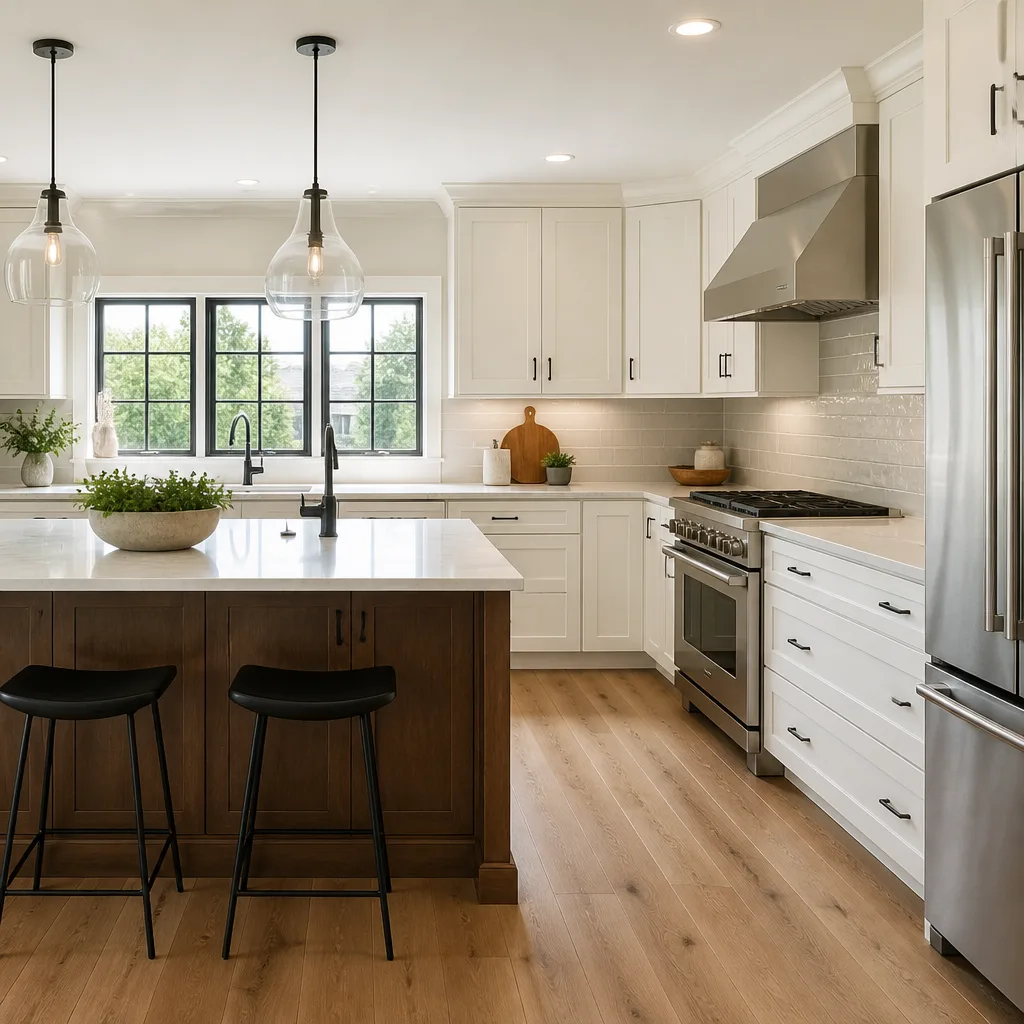 Kitchen remodeling
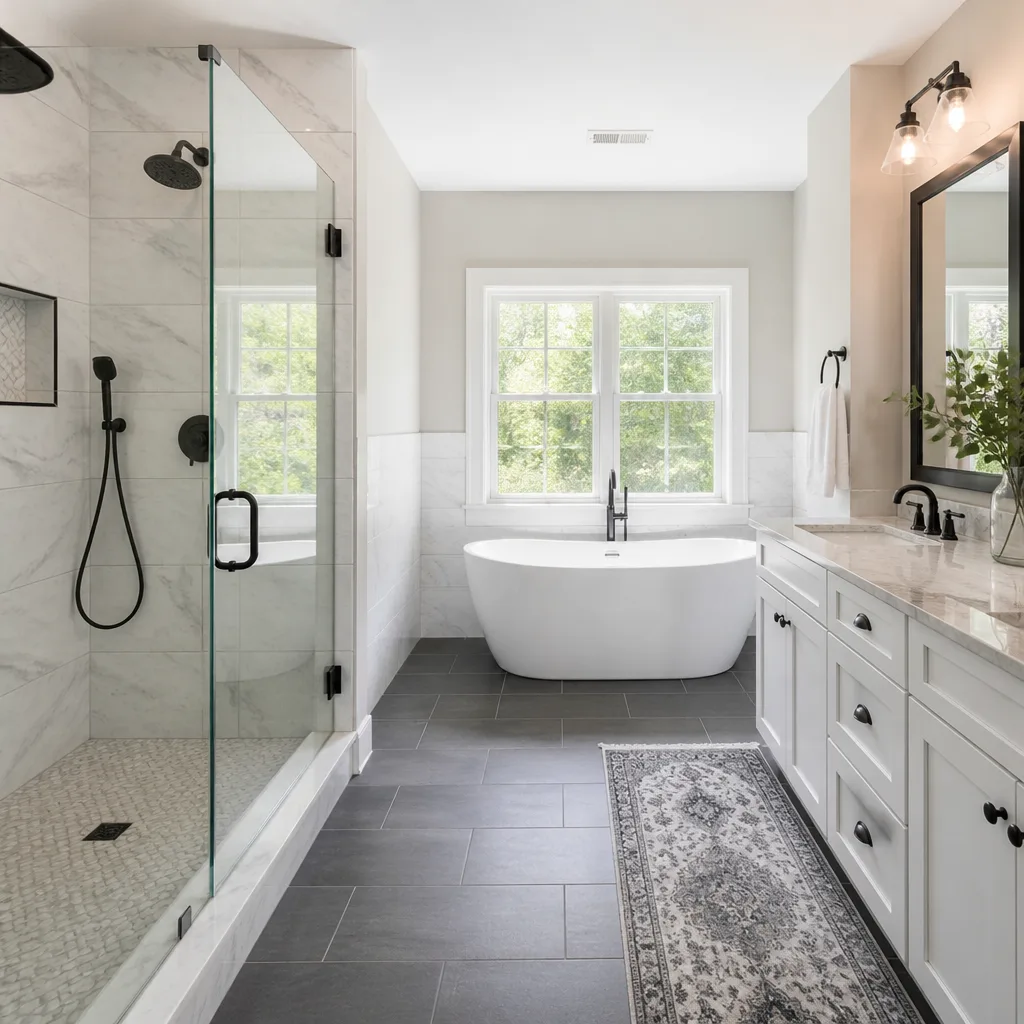 Bathroom remodeling
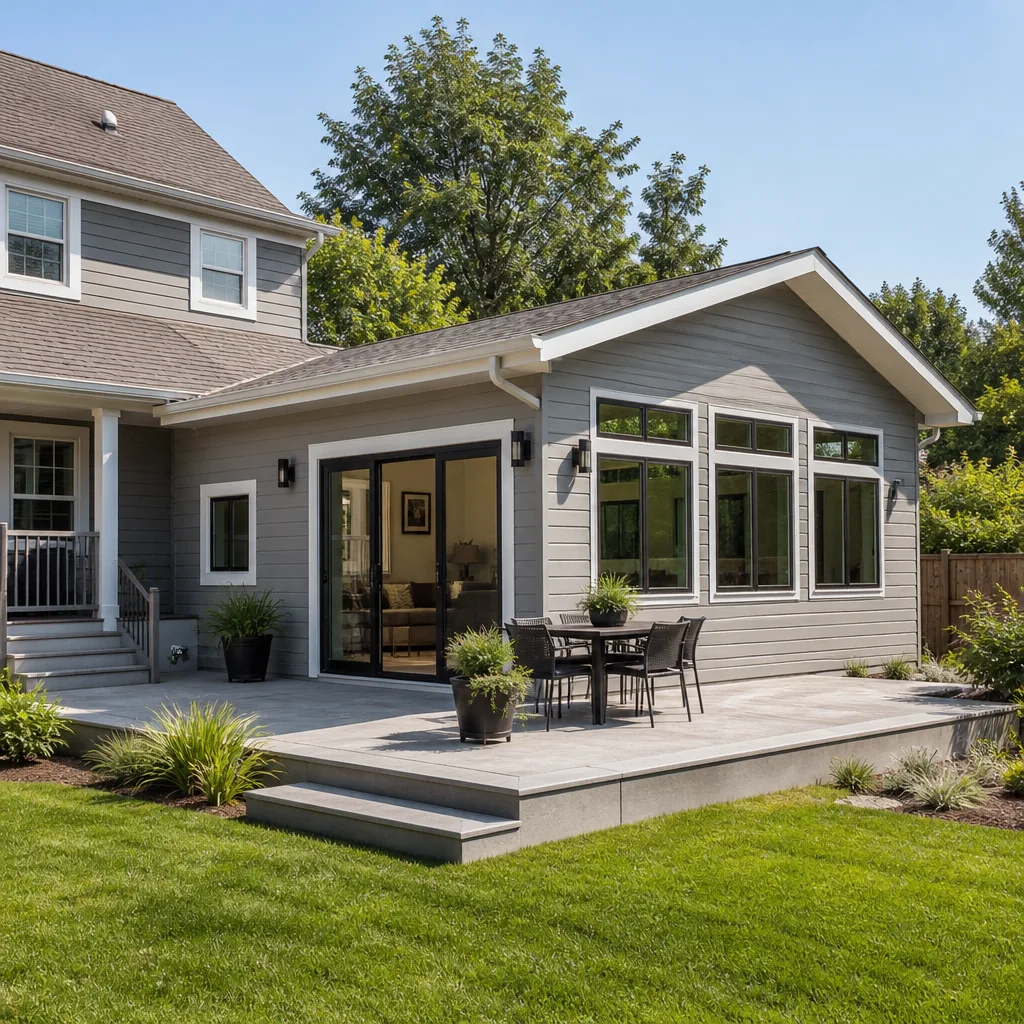 Home additions & ADU
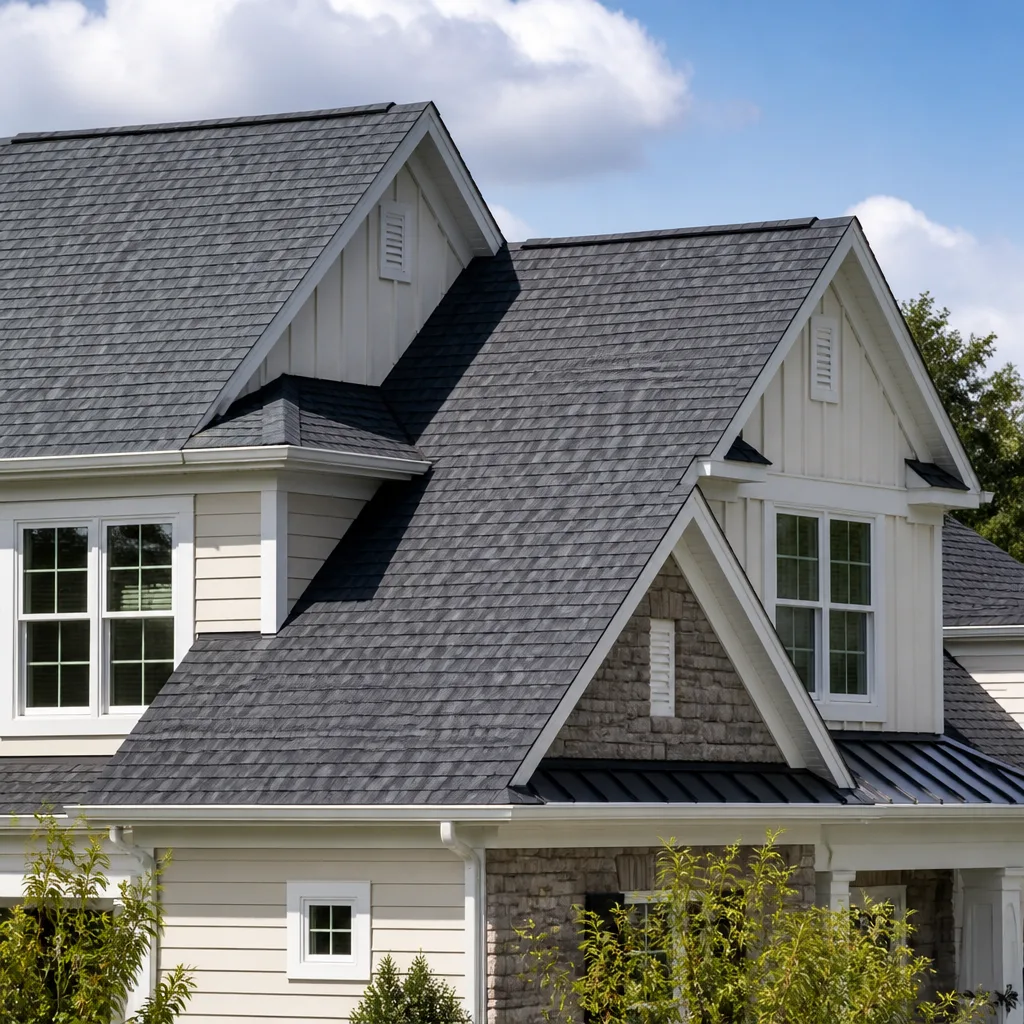 Roofing
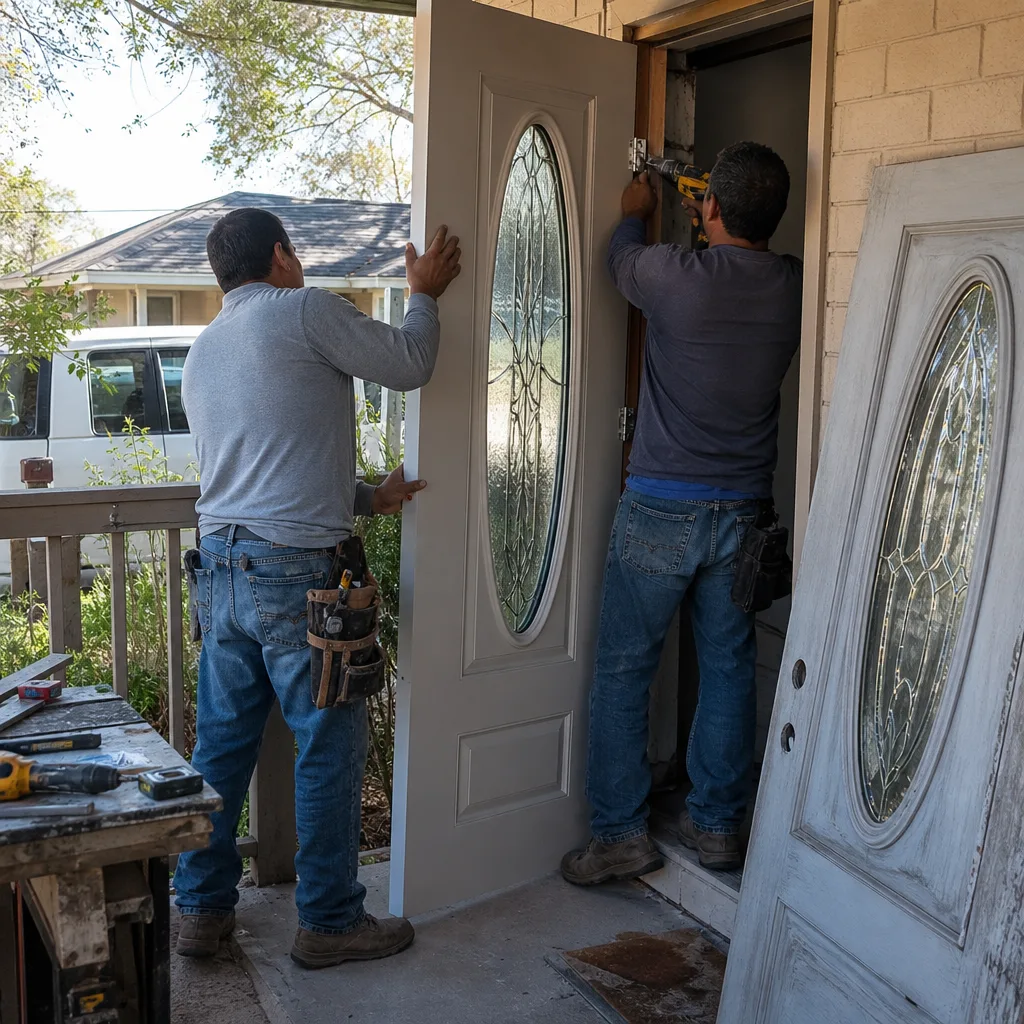
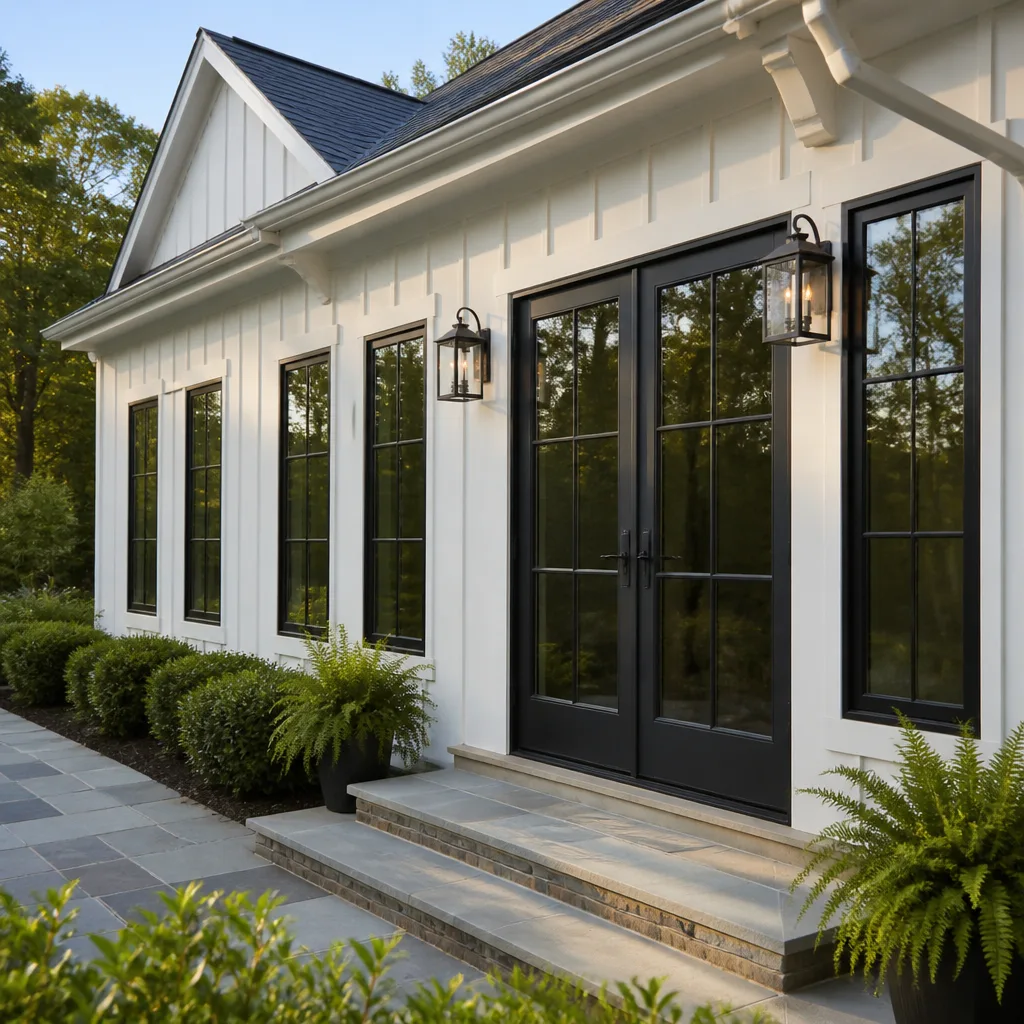 Windows & doors
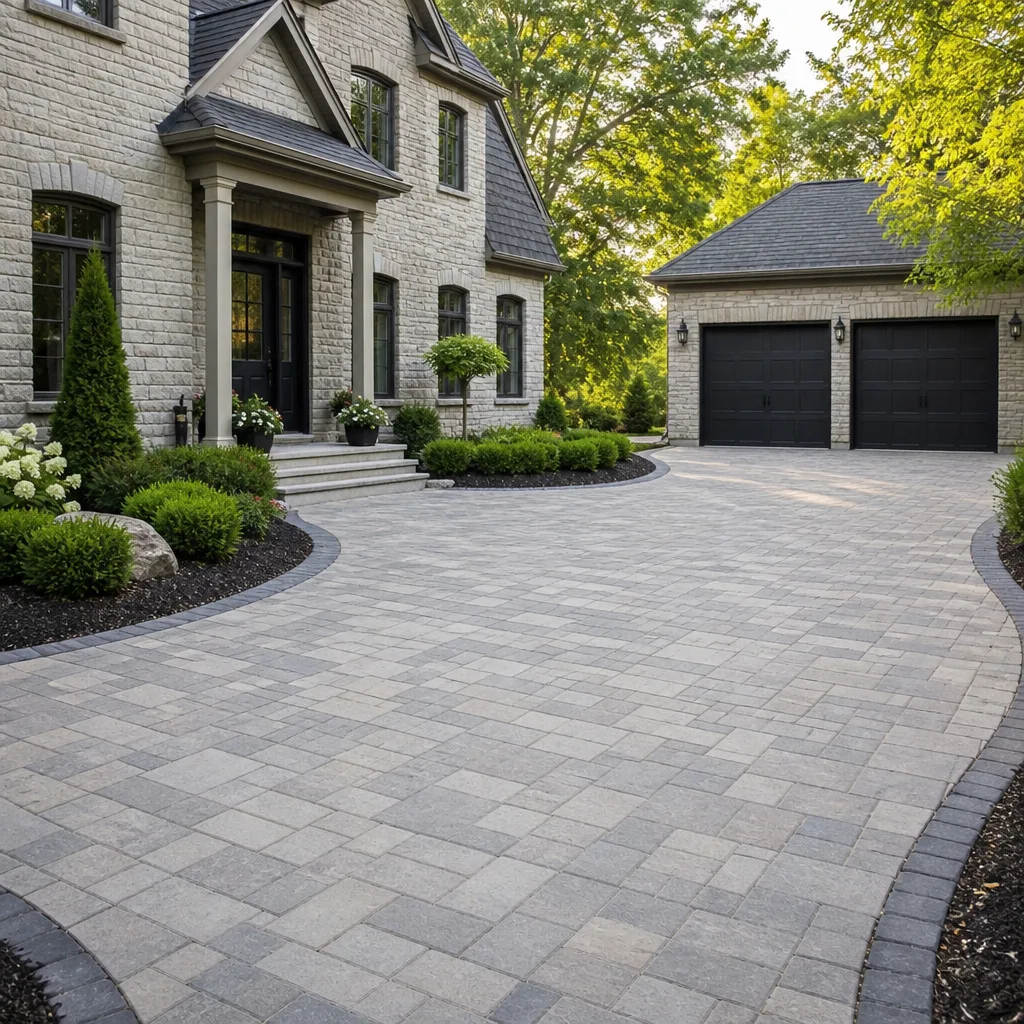 Driveway & pavers
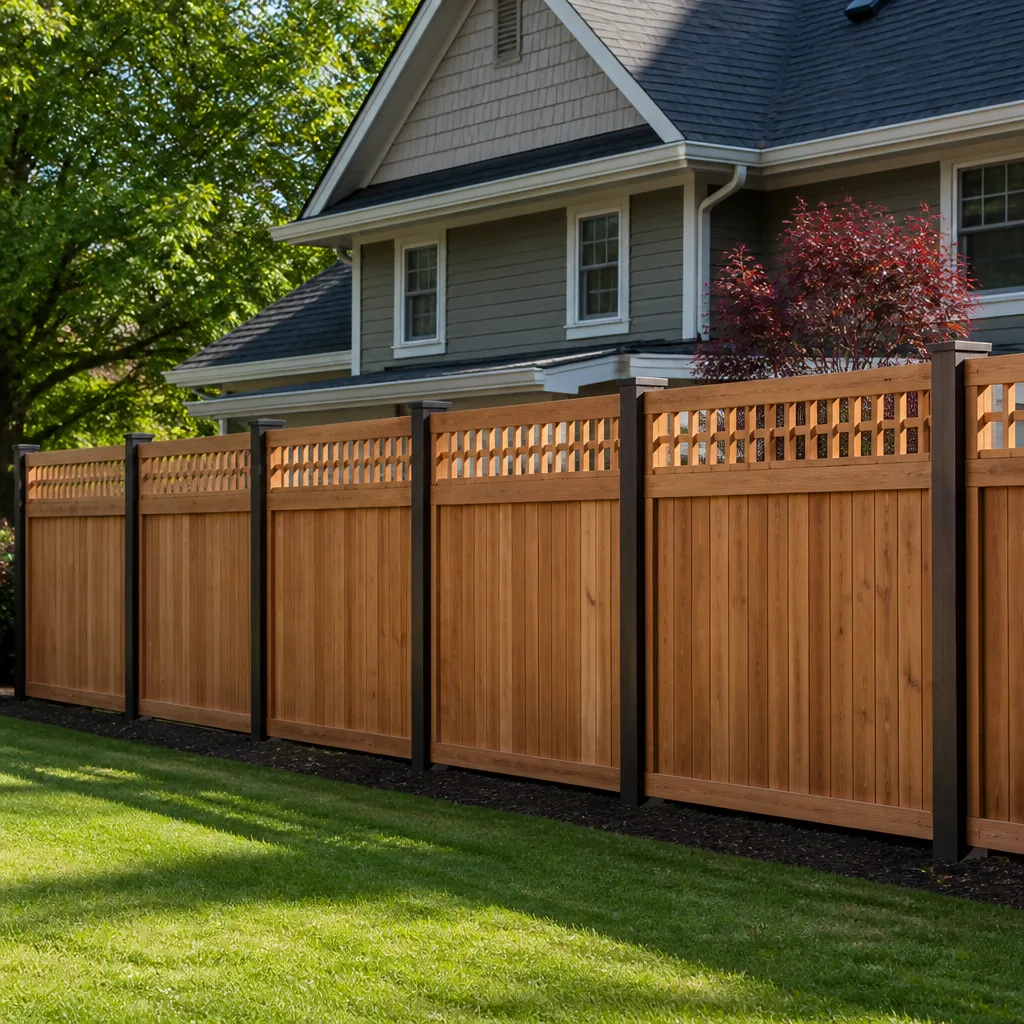 Fence
Free written scope consultation - allowances, timeline, and change-order rules on paper before a single trade is scheduled
Choosing the Right Construction Brand: A Buyer’s Guide for Garland
A shingle that carries a 130 mph wind rating is not automatically a hail-resistant shingle. Those are two separate classifications, and on a Garland roof they matter for different reasons. Every spring, North Texas delivers the same combination event: wind-driven hail followed by sustained gusts, and a product can earn high marks on one rating while carrying no impact classification at all. The wind number is the one printed in bold. The impact number is buried deeper in the spec sheet. This guide explains which performance ratings actually matter for Garland homes, how the major material brands differ when you read the fine print, and why the brand your contractor recommends is sometimes driven by installer familiarity rather than by what holds up best here.
Quick Answer
Choosing the right construction brand in Garland comes down to matching three things: a product’s rated performance against North Texas hail, wind, heat and expansive clay soil; its warranty terms in writing; and your contractor’s access to that brand through direct accounts. The best-known name is rarely the deciding factor. GAF, CertainTeed and Owens Corning all make excellent roofing systems, but warranty structure and hail-resistance options differ enough that the choice should follow your spec sheet, not the logo.
Styles & brands we work with
- Kitchen remodeling
- Bathroom remodeling
- Home additions & ADU
- Roofing
- Windows & doors
- Driveway & pavers
- Fence
Table of Contents
- How to Read Construction Product Specs for Garland’s Climate
- Roofing Brand Comparison for North Texas Conditions
- Siding and Exterior Cladding Brand Selection
- Windows and Doors: SHGC, Heat Gain and Impact Ratings
- Why a Contractor’s Brand Access Changes Your Project
- The Seven Project Categories and Where Brand Depth Pays Off
- Questions to Ask Before You Sign
- A Step-by-Step Brand Selection Process
How to Read Construction Product Specs for Garland’s Climate
Garland sits in a climate that stresses building materials in ways coastal or northern markets do not. Hail arrives in short, violent events. Summer heat holds for weeks. Soils shift with moisture. Wind gusts accompany storms from spring through fall. Each of those stressors maps to a specific specification you can find on the manufacturer’s literature if you know the term to look for.
The four ratings that matter most for a Garland project:
- Class 4 impact resistance. For roofing, this is the hail rating. It is measured under a recognized impact test standard and is separate from any wind rating. A shingle can be rated for high wind uplift and still carry no impact classification.
- Wind uplift rating. Expressed in miles per hour for shingles and in pounds per square foot for some assemblies. Higher is better in a market that sees gust events.
- Moisture vapor transmission for siding and wall assemblies. This governs how a cladding and underlayment combination manages moisture behind the wall. It matters here because humid summers and sudden storms can trap vapor if the wrong product pairing is used.
- Freeze-thaw and shrinkage ratings for flatwork and hardscape materials. Even in a mild-winter market, concrete and pavers expand and contract with temperature swings and moisture cycles, and products are rated for durability under those cycles. Pavers from manufacturers like Belgard, Unilock and Techo-Bloc publish absorption and durability ratings you can compare.
In our experience, most homeowners research the visible specification (color, profile, warranty length) and skip the performance classification entirely. That is where the real difference between one brand and another usually lives. When you’re building out a full-home scope from driveway to roofline, reading those numbers consistently is what keeps your project in Garland coherent.
Roofing Brand Comparison for North Texas Conditions
Six major manufacturers supply most residential roofing in this market: GAF, CertainTeed, Owens Corning, IKO, Atlas and Tamko. All of them make a system that will perform here. The differences that should drive your choice are warranty structure, hail-resistance options and how readily the local supply chain supports the specific line you select.
Here is what to compare line by line:
- Warranty structure. Some brands offer a tiered system that upgrades coverage when the whole roof assembly (underlayment, starter, ridge, shingles) comes from that same manufacturer. A mixed-assembly roof often drops to a basic warranty. Ask which tier your proposed package qualifies for, not just the headline length.
- Hail resistance options. Each manufacturer has specific product lines that carry Class 4 impact ratings. These are not always the same as the standard architectural shingle line, and the upgrade is usually a smaller step in price than homeowners expect. Ask for the impact-rated line by name.
- Local distributor availability. A brand that is stocked heavily around Dallas-Fort Worth ships and replaces faster. A boutique line with a distant distributor can extend a tear-off timeline when a special order or damaged-shipment replacement is needed. Lead time is a real brand attribute for Garland projects.
- Color and profile availability. HOA-governed neighborhoods in Garland often specify color palettes. Confirm the exact color you need is currently produced in the product line you’re quoting.
For a full roof replacement, the brand question is less “which is best” and more “which combination of warranty, impact rating and availability fits this house.” Any of the six can be the right answer for a given roof.
Siding and Exterior Cladding Brand Selection
Fiber cement and engineered wood dominate exterior cladding in Garland, and two names lead that field: James Hardie and LP SmartSide. They are both solid products. The selection question is not which brand wins in the abstract but which one your specific situation calls for.
Two things drive the choice in Garland more than marketing does:
- What your HOA specifies. Many planned neighborhoods in Garland have architectural review requirements that list approved cladding materials and profiles. Meeting those specifications protects you from a remediation order after installation and keeps your resale clean.
- How the product handles moisture and heat. Both brands publish installation specifications for climate zones. The wall assembly you build behind the cladding matters as much as the board itself. A brand that ships a complete system (cladding, house wrap, flashing details, sealant compatibility) gives your installer a defensible spec.
Insurance is worth a phone call too. Some carriers factor exterior material into premiums and may ask for a product specification at claim time. Knowing your brand and its installation system makes that conversation simple. If you’re refreshing more than the siding, the same logic applies across the exterior scope, including the fence installation work, where material choice (wood, vinyl, aluminum) is driven by the same style-and-budget math.
Windows and Doors: SHGC, Heat Gain and Impact Ratings
Window performance in this climate is mostly about one rating: solar heat gain coefficient, or SHGC. It measures the fraction of solar heat that passes through the glass. In a market with long, hot summers, a lower SHGC means less heat entering the house and less strain on the cooling system. The trade-off is visible light transmittance, which falls as SHGC drops. You want the balance, not the lowest number.
What to compare when you shop brands:
- NFRC-rated performance values. Look for U-factor and SHGC from the National Fenestration Rating Council on the product’s label. These are reported values, not marketing claims.
- Frame and glazing system. Vinyl, fiberglass and wood-clad frames perform differently with heat and moisture. The tightest-rated glass in a marginal frame underperforms.
- Door system compatibility. If you’re replacing exterior doors, confirm the brand’s door systems share the same performance reporting so the whole envelope is consistent.
Impact resistance is a separate classification worth checking if window replacement is part of a broader storm-resilience plan. It is not a substitute for SHGC performance, but a product that scores well on both is the strongest choice for a Garland home. Read the rating sheet, not just the brochure headline.
Why a Contractor’s Brand Access Changes Your Project
Here is the part most buyers miss: brand relationships affect the project’s outcome as much as the product does. A contractor with direct manufacturer accounts can specify the exact product line you chose, order it correctly, and back the system warranty. A contractor limited to one distributor’s shelf stock will steer you toward what’s available, not what’s best. Sometimes those two things match. Sometimes they don’t.
What that means in practice:
- Direct accounts keep substitutions visible. When a product is swapped mid-project because it wasn’t specified or wasn’t orderable, the system warranty can be affected. A contractor with account access has less reason to substitute.
- Brand depth lets the material follow your decision. You choose the product; the contractor brings the install expertise. That’s the right order. Construction Garland carries a roster of more than 50 manufacturer brands across cabinetry, countertops, roofing, windows, doors, fencing, hardscape, plumbing fixtures and prefab ADU systems, so the material library is broad, not bracketed by one supplier’s inventory.
- Fencing is a case study. A deep fence portfolio (Barrette, Master Halco, Ameristar, Jerith, Bufftech, ActiveYards) means material is driven by your style and budget. With one supplier, you get one supplier’s answers.
- Consistency across trades matters. When seven project categories run through Construction Garland, the same product-selection logic applies to your kitchen and your driveway. You aren’t reconciling competing brand philosophies from five contractors.
Our technicians have up to 10 years of experience reading specifications and matching them to the reality of a Garland home. That experience is where our E-E-A-T lives: not in a logo on a truck, but in knowing what these products do once they’re installed.
The Seven Project Categories and Where Brand Depth Pays Off
Construction Garland handles seven core categories. Each one has a material brand story, and each rewards a different kind of brand research. Here is the map:
- Kitchen Remodeling. Countertops from Cambria, Silestone and Caesarstone; cabinetry from KraftMaid and Wellborn. Compare by surface hardness, stain resistance, edge profiles and cabinet box construction, not by trend.
- Bathroom Remodeling. Plumbing fixtures from Kohler, Moen, Grohe, Toto, Delta, American Standard, Blanco and Sterling. Finish durability matters more than the name on the escutcheon.
- Roofing. Systems from GAF, CertainTeed, Owens Corning, IKO, Atlas and Tamko. Compare warranty tier and impact rating.
- Windows & Doors. NFRC ratings, SHGC and frame system engineering are the comparison points.
- Fence Installation. Barrette, Master Halco, Ameristar, Jerith, Bufftech and ActiveYards, with a material decision first: wood vs. vinyl vs. aluminum.
- Driveway & Pavers. Belgard, Unilock, Techo-Bloc and Cambridge Pavers, all design-grade hardscape lines for a residential setting. Compare absorption, durability and slip ratings.
- Home Additions & ADU. Site-built and prefab pathways, with prefab brands like Abodu, Dvele, Boxabl and Plant Prefab giving homeowners realistic timelines at different budget points. An home additions & ADU project is where brand depth in prefab systems pays off most visibly.
For pavers specifically, don’t underestimate the value of brand ratings. A paver’s performance depends heavily on its absorption rating and construction, which is why matching manufacturer claims to a Garland base-prep and drainage design is more important than picking a color you saw in a photo.
Questions to Ask Before You Sign
Brand selection happens before the first invoice, so the conversations that protect you happen in the estimate meeting. Bring these questions and write down the answers. A contractor who has real brand depth will answer them without hesitation.
- Which specific product line is going on my house? Not the brand name; the model. Ask to see the spec sheet.
- Does this package qualify for the manufacturer’s best warranty tier? If any component in the assembly is a different brand, the warranty may drop.
- Is the impact rating on this roof line the one you’re quoting? Confirm the Class 4 line if that’s what you chose.
- What happens if a product is substituted mid-project? Get it in writing that substitutions require your approval.
- Can I see the manufacturer’s published specification for the SHGC on this window? Ask for the NFRC-reporting product label.
- Will you remove and reinstall a system if a manufacturer issues a recall or defect notice? Get the process in writing so you know what you’re entitled to.
- Is the final price fixed to the written estimate? A fixed price with no change orders and a written line-item quote means the brand you selected is the brand you’re paying for.
If any question gets a vague answer, that’s a signal. The brand depth that makes a real difference shows up in the paperwork, not just the pitch.
A Step-by-Step Brand Selection Process
If you want a repeatable way to make these decisions, here is the sequence that keeps a Garland project coherent from start to finish.
- List your stressors first. For a roof, it’s hail and wind. For siding, it’s heat and moisture. For windows, it’s heat gain. For flatwork, it’s soil movement and temperature cycling. Write them down before you look at brands.
- Pull the spec sheets. Look up each candidate product’s rated performance for the relevant classification. Compare like-for-like values; don’t compare a warranty length to a wind rating.
- Check your HOA and insurer. Approved cladding materials, color palettes, and any insurance-preferred product lines should be settled before you choose a brand, not after.
- Ask the contractor which brands they have direct accounts with. Match that list against your shortlist. If a product you want isn’t on the account list, ask why and how lead time would be affected.
- Read the warranty terms. Ask specifically what voids the warranty and what the tier structure is.
- Compare the written line-item quote against the brand spec. Confirm the model number, product line, and the complete system assembly, including all flashing, underlayment and trim from the same brand where the warranty requires it.
- Get the substitution clause in writing. Only then sign.
That sequence works for any category, whether you’re pricing a driveway replacement, a roof, or an ADU. The brand is always the middle of the decision, not the beginning.
Common Mistakes to Avoid
- Choosing a shingle on wind rating alone. Wind uplift and impact resistance are separate classifications. If hail is your concern, look for the Class 4 line.
- Letting a single distributor’s shelf dictate the product. A contractor limited to one supplier will steer you toward what’s available. Ask about account breadth before you commit.
- Mixing brands within a warrantied assembly. A roof system’s best warranty tier depends on all components coming from the same brand. A mixed assembly can quietly drop the coverage.
- Skipping the HOA review before selecting siding. A remediation order after install is more expensive than a conversation beforehand.
- Ignoring SHGC on windows. The lowest price window in the showroom may carry a high SHGC that costs you in cooling bills for years. Ask for the NFRC values.
- Signing without a substitution clause. Mid-project swaps are the quiet way a project drifts off spec. Get approval rights in writing.
- Assuming the brand the contractor names is the brand on the roof. Verify the model on the written quote, not on the truck sheet.
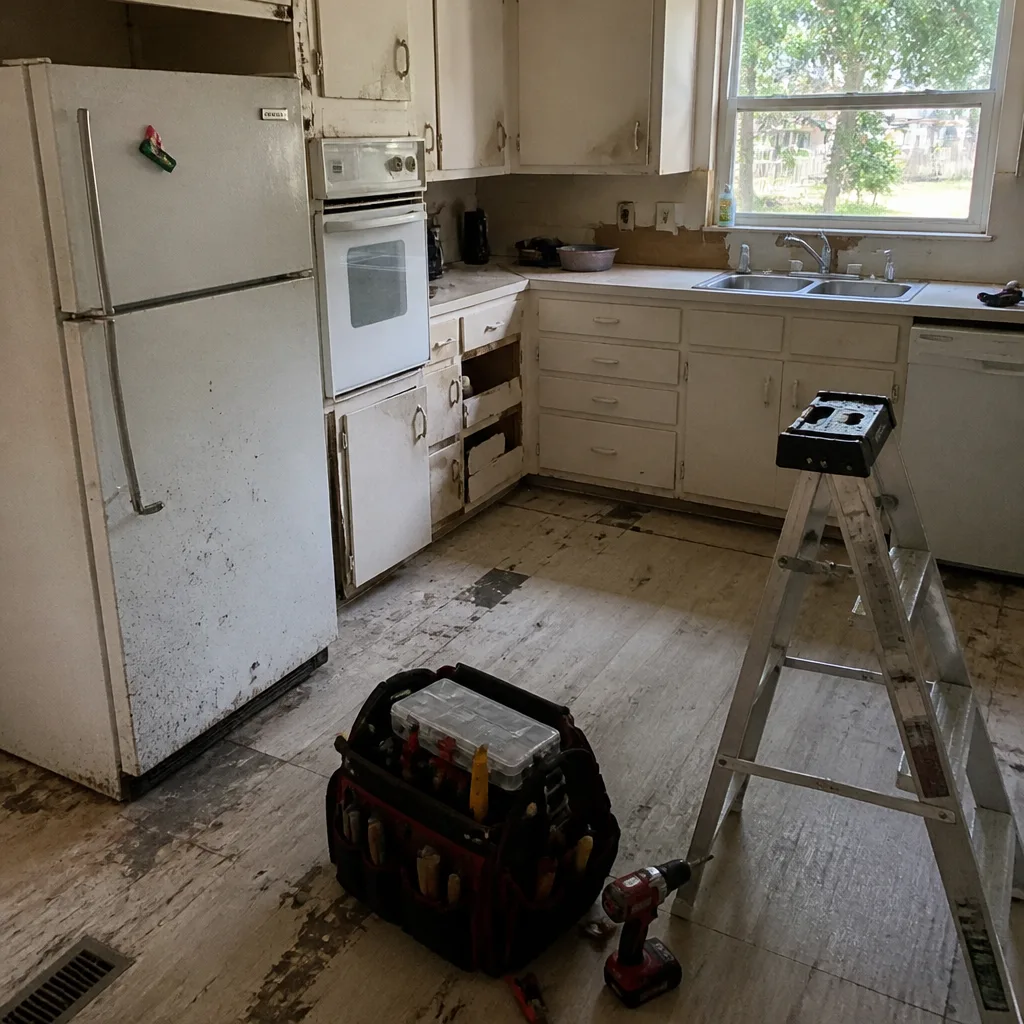
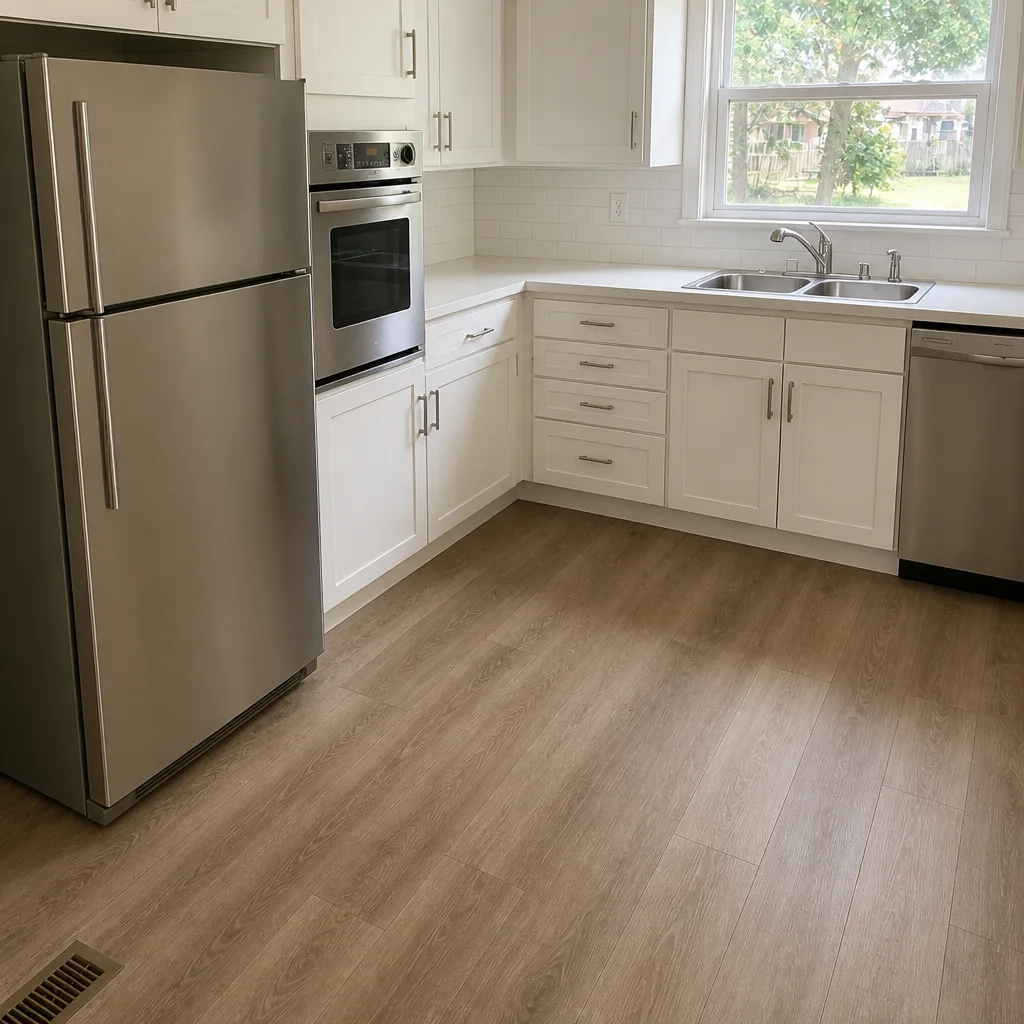
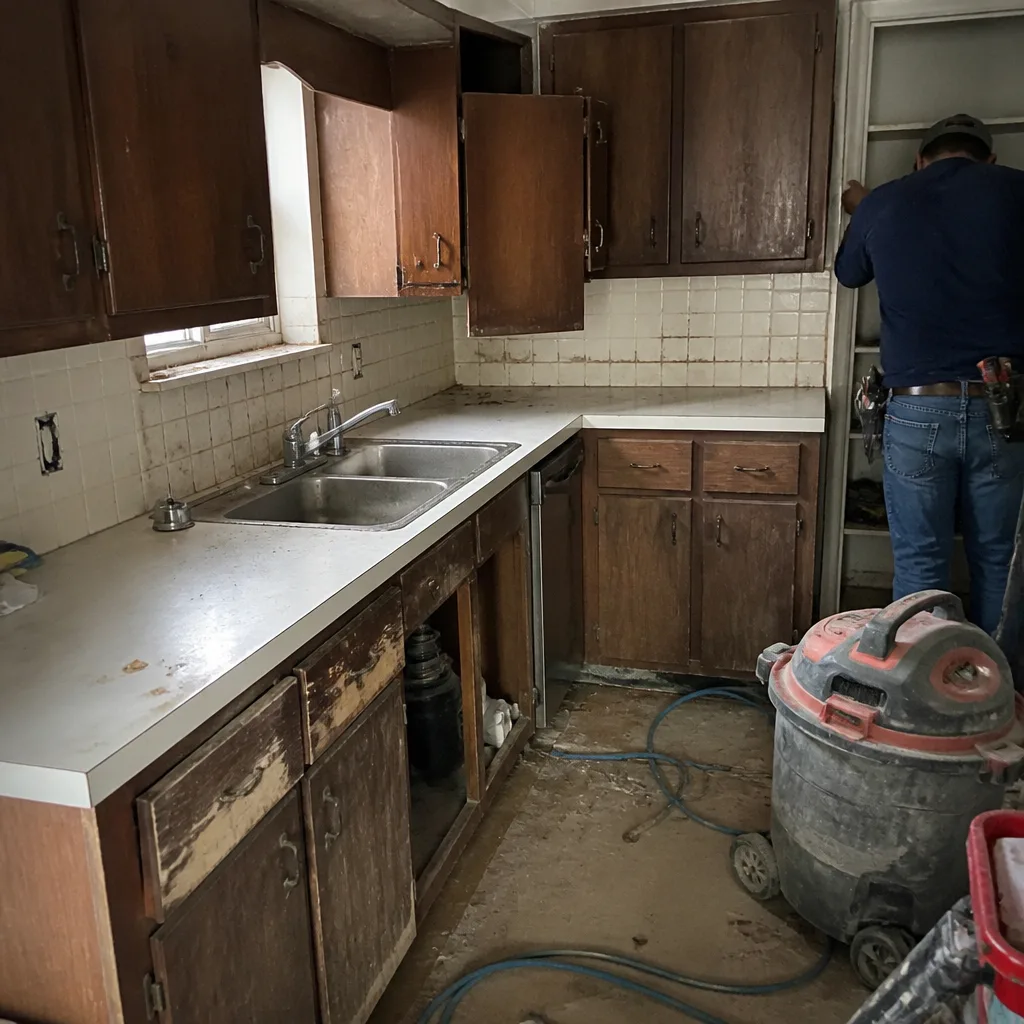
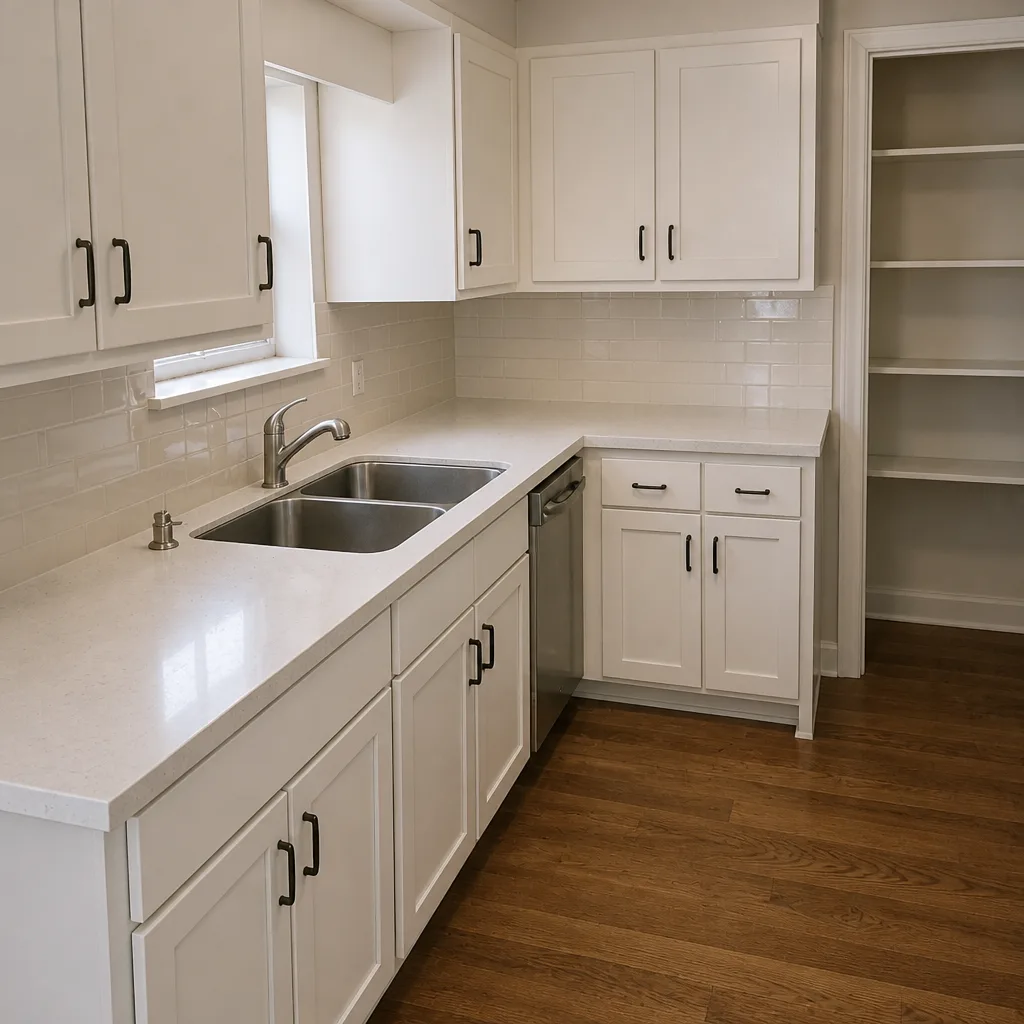
See the difference
 Before
 After
 Before
 After
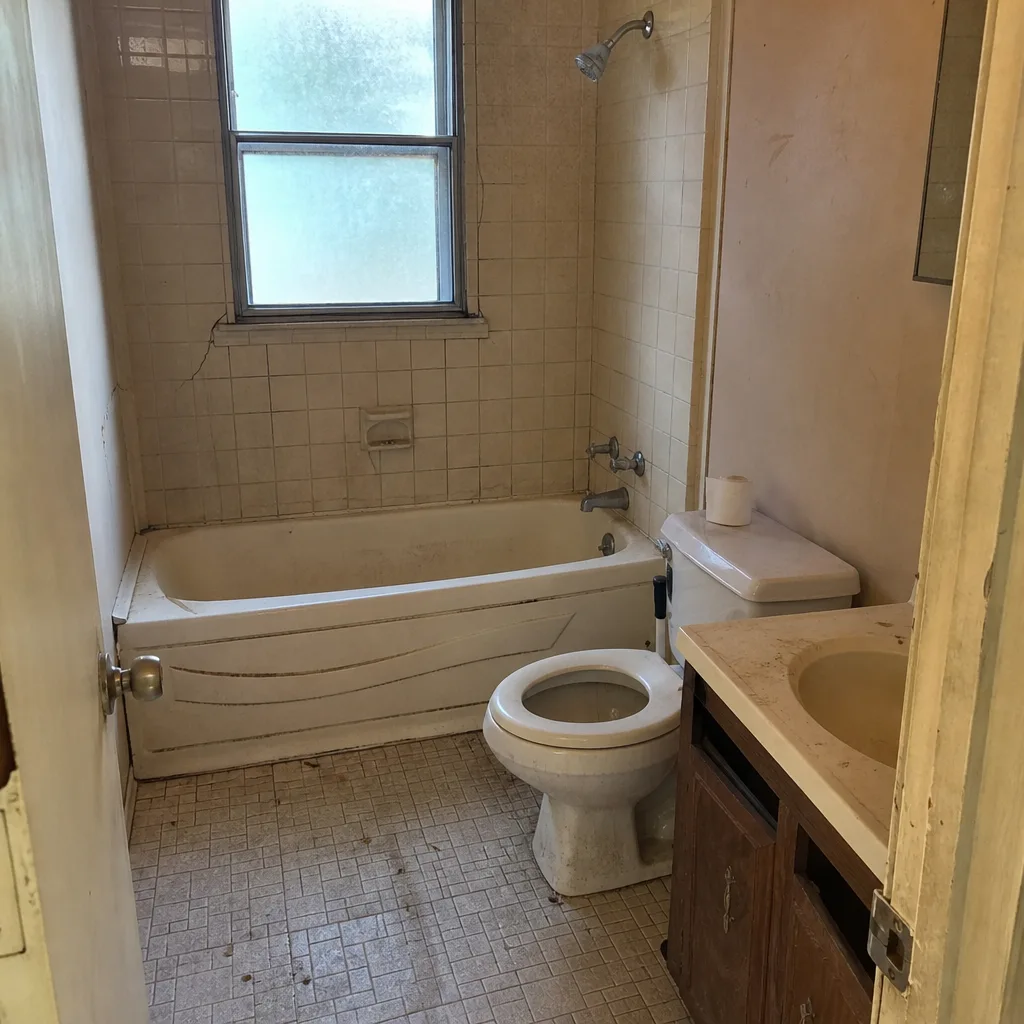 Before
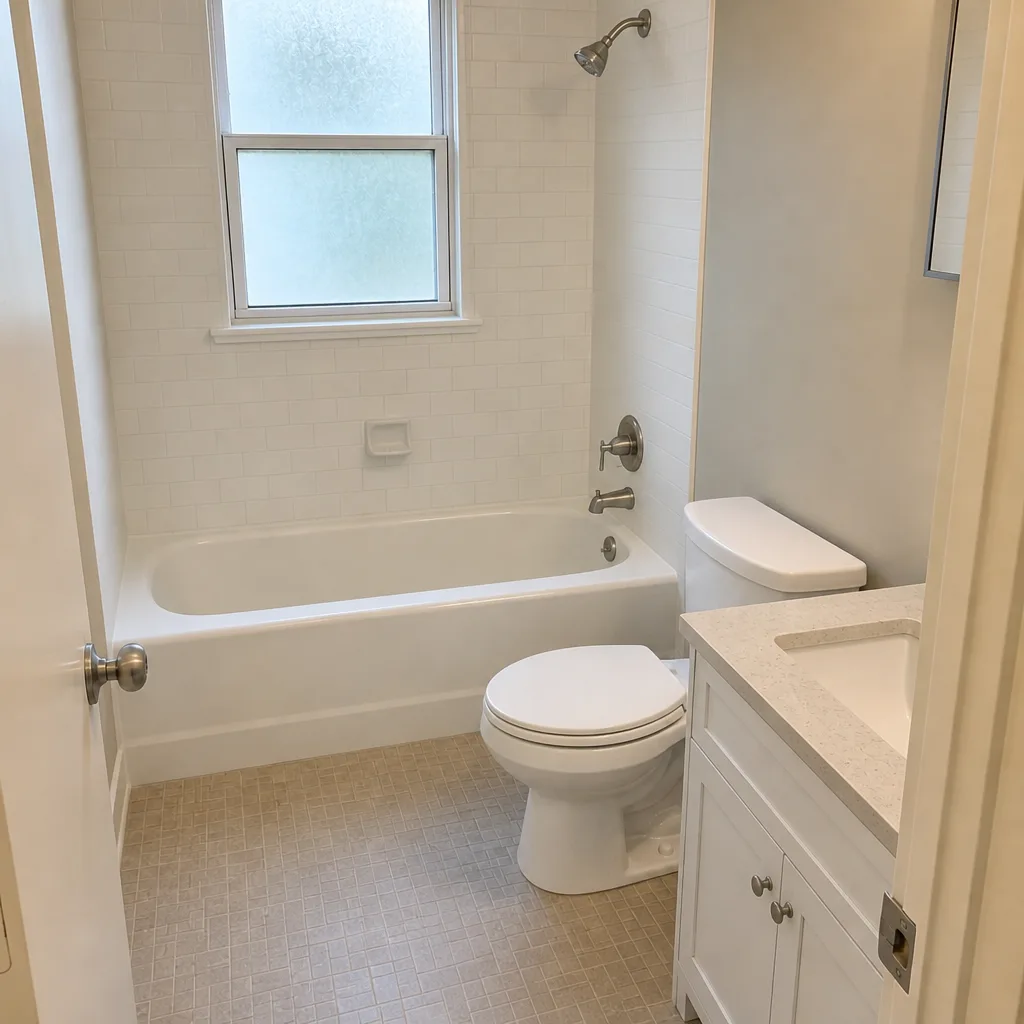 After
When to Call a Professional
Some brand and product decisions are safe to make on your own; the installation decisions are not. Call a licensed professional when the scope involves the roof assembly, window and door replacement, electrical or gas connections for appliances, or any structural change during a home addition. Garland code requires permits and independent inspection for most of these, and the product specification on those permits is part of the approval. If you’re unsure which product line applies to your situation, a professional can pull the spec and match it before a single board is ordered. Construction Garland offers free estimates in Garland with written line-item quotes, fixed pricing and no change orders. Our technicians have up to 10 years of experience and can walk you through the brand selection on any of the seven project categories. Call (888) 405-7616. We answer 24/7. Fast dispatch from 7am to 7pm, Sunday through Friday.
Frequently Asked Questions
The “best” brand depends on the project. For roofs, GAF, CertainTeed and Owens Corning all offer Class 4 impact-rated lines with strong warranty tiers and deep local distributor availability. For siding, James Hardie and LP SmartSide are the most commonly specified, and local HOA requirements often narrow that choice. For pavers, Belgard, Unilock, Techo-Bloc and Cambridge Pavers are the standard design-grade lines. Call (888) 405-7616 for a free estimate and a brand comparison that fits your project.
Not necessarily. The impact-rated version of a shingle line is often a modest step in price compared with the standard line, and warranty-tier upgrades can be included in the same assembly. The important thing is to confirm the exact product line on the quote before signing. Pricing is set per job by the written estimate, so an apples-to-apples comparison is the only way to know what the upgrade costs for your roof. Call (888) 405-7616 for an exact quote; estimates are free.
Start with your HOA’s approved materials list. If James Hardie and LP SmartSide are both allowed, compare the published moisture-handling specifications and the completeness of each brand’s system (cladding, house wrap, flashing, sealant). Neither wins universally; the right pick fits your wall assembly and your insurer’s preference. Call (888) 405-7616 to have a full exterior brand comparison put together for your scope.
Look for the National Fenestration Rating Council label on the product. SHGC is a decimal between 0 and 1 that measures the fraction of solar heat passing through the glass; lower is better for reducing cooling load, but too low a number can darken the glass too much. Compare products with matching U-factors. A strong pick for Garland pairs a moderate SHGC with a quality frame system and, if you need it, a separate impact rating. Call (888) 405-7616 for window replacement estimates in Garland.
It shouldn’t. A fixed-price estimate with written line-item pricing and no change orders is what protects you. The one exception is a substitution you approve, which is why getting that approval in writing before signing matters. Ask any contractor to put the substitution clause in the contract. Call (888) 405-7616 to discuss a fixed-price scope.
Yes, permits are pulled and inspections passed on the categories where Garland code requires them, which includes roofing, window and door replacement, home additions and ADUs, and most structural work. The brand and product specification on those permits must match the installed product, which is one more reason to lock the brand before you sign. Call (888) 405-7616 to schedule your free estimate.
The Bottom Line
Brand selection for a Garland project is a matching exercise, not a popularity contest. The performance classification behind the logo beats the logo itself: Class 4 impact resistance on the roof, moisture vapor management on the wall, SHGC on the glass, durability ratings on the hardscape. Warranty structure is the second filter, because a mixed assembly can silently drop your coverage. Access is the third, because a contractor with genuine brand depth can order the product you chose rather than steer you to what’s on the shelf. And the whole comparison happens best when you bring one accountable team through the entire scope, from driveway & pavers to roofline, so the same standards apply everywhere. That’s the model we work to at Construction Garland.
Ready to compare brands on your project? Call (888) 405-7616. We answer 24/7. Fast dispatch from 7am to 7pm, Sunday through Friday. Estimates are free, quotes are written line-item, and pricing is fixed with no change orders. Whether you’re pricing a single category or planning a full-home refresh, a free estimate in Garland is the right next step.
Written by the team at Construction Garland.