
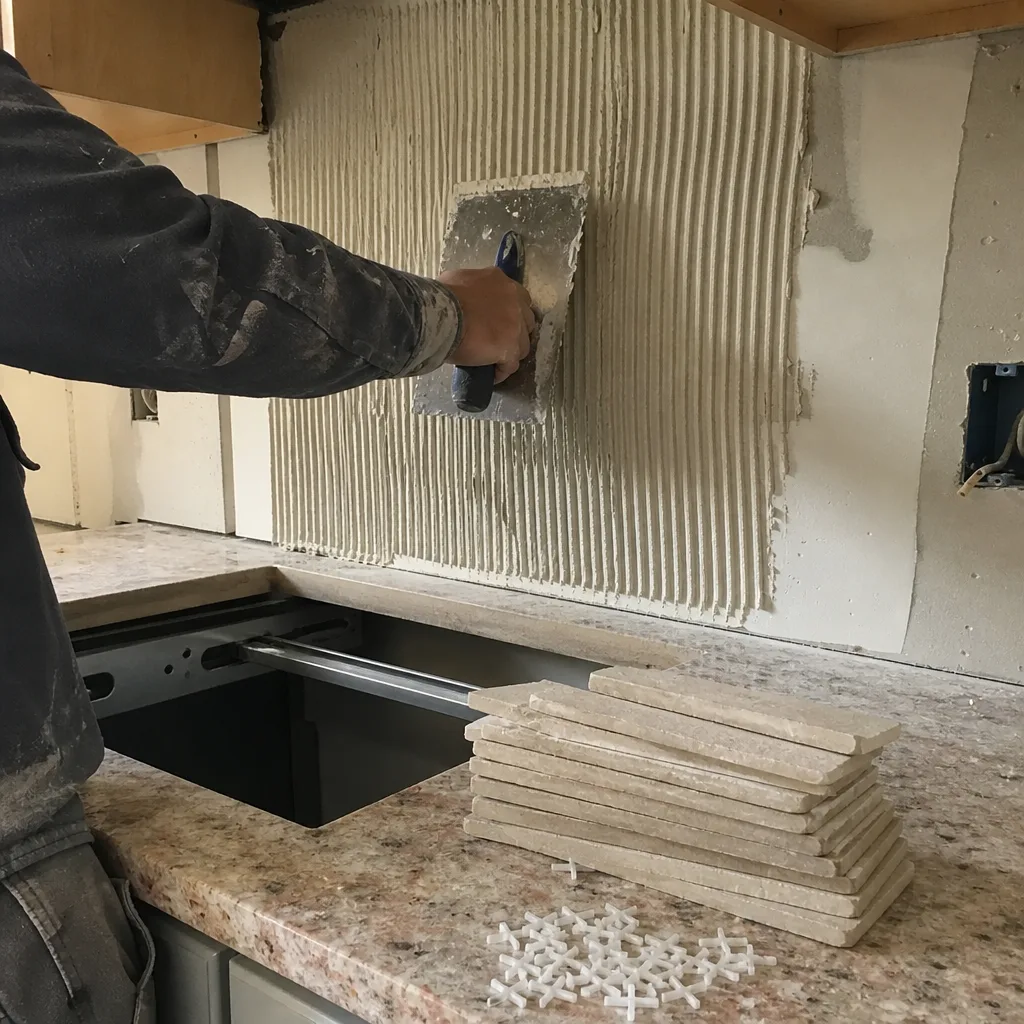
Last updated November 16, 2026
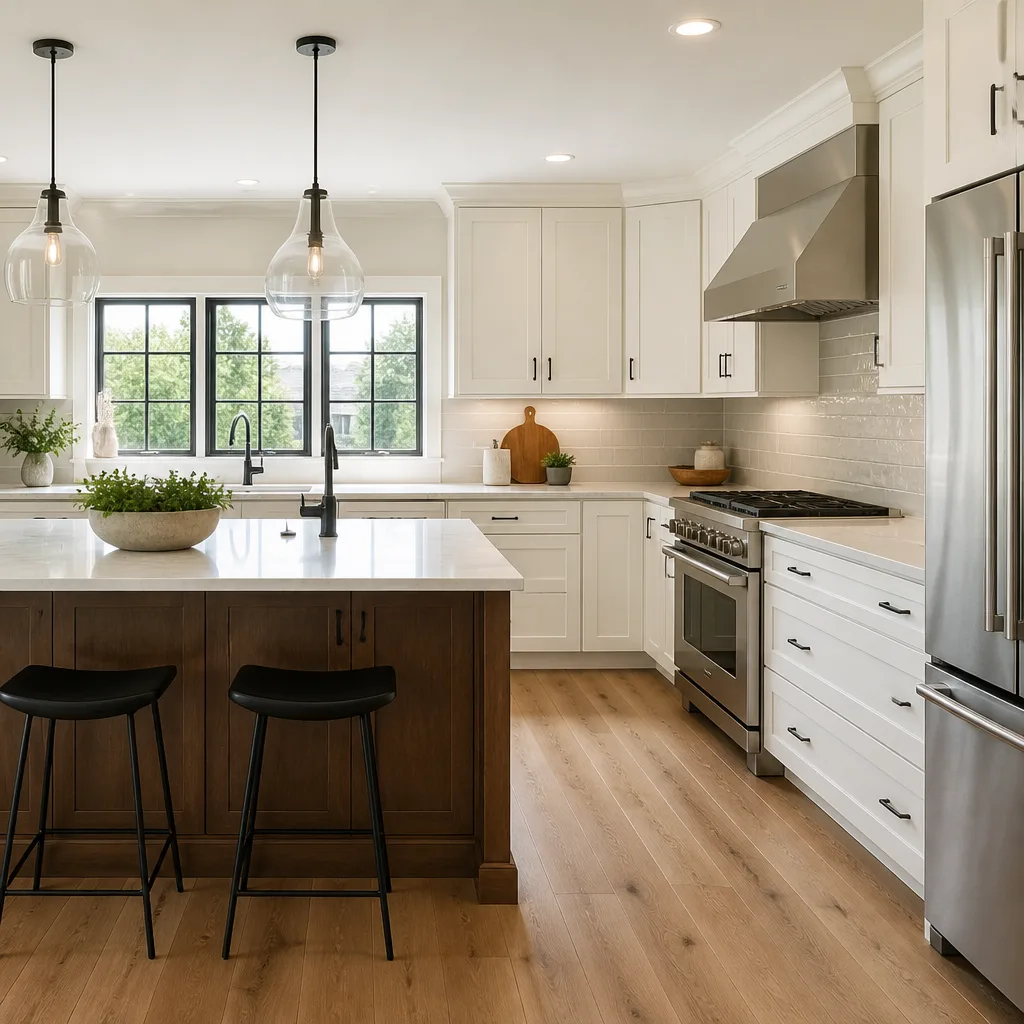 Kitchen remodeling
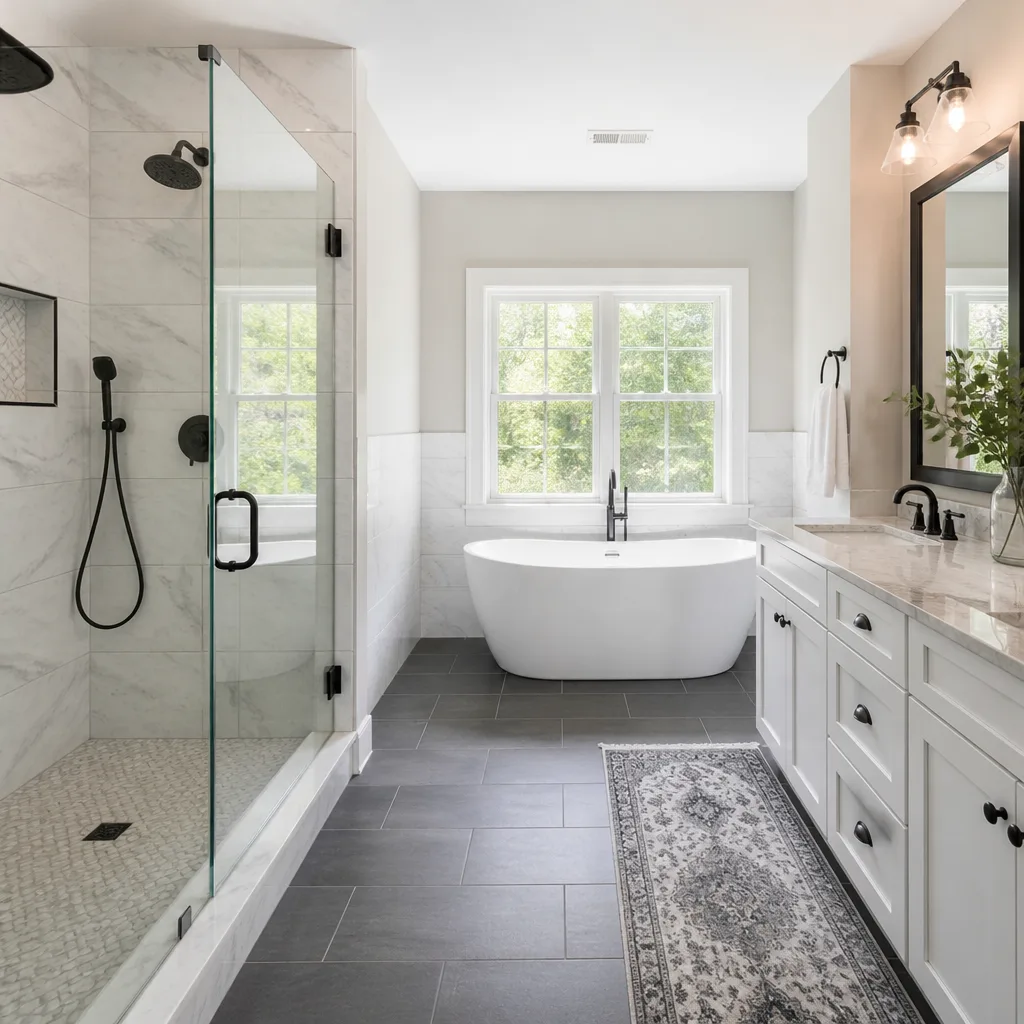 Bathroom remodeling
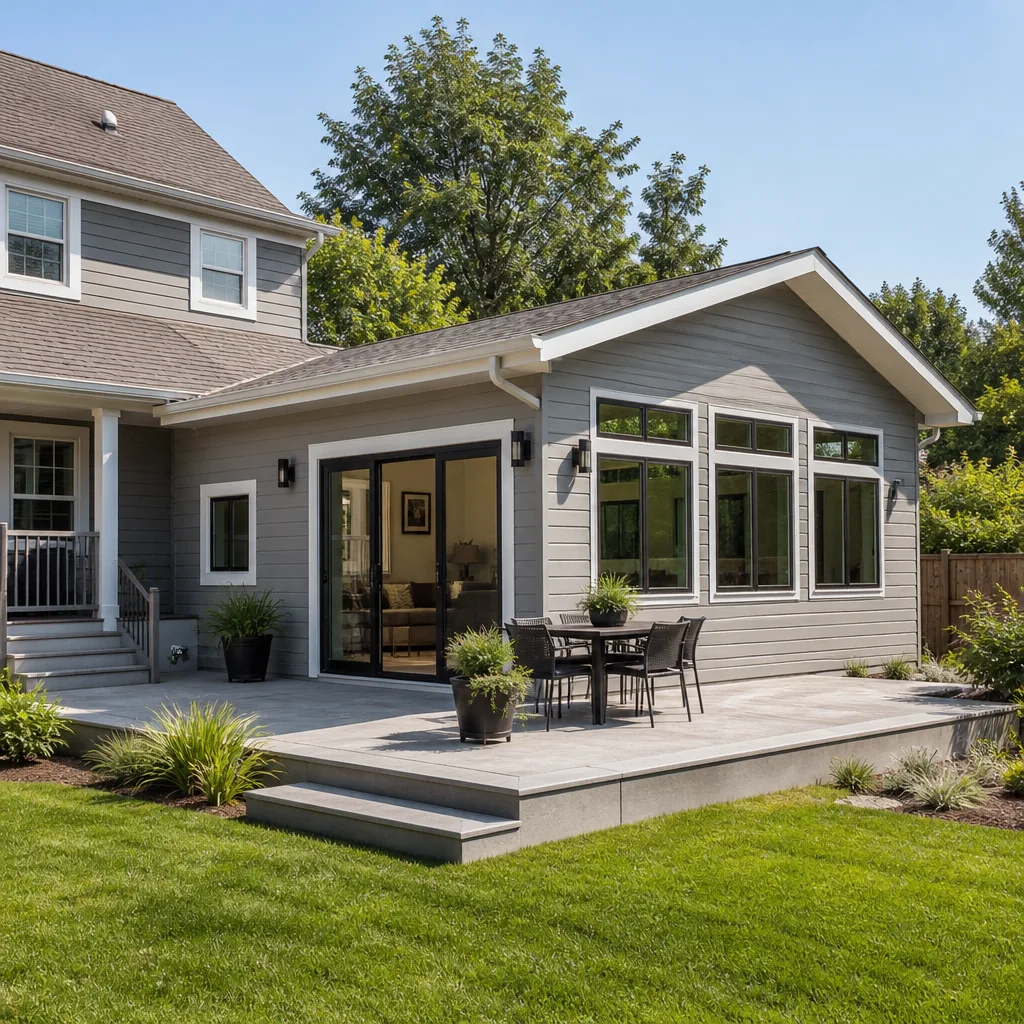 Home additions & ADU
 Roofing
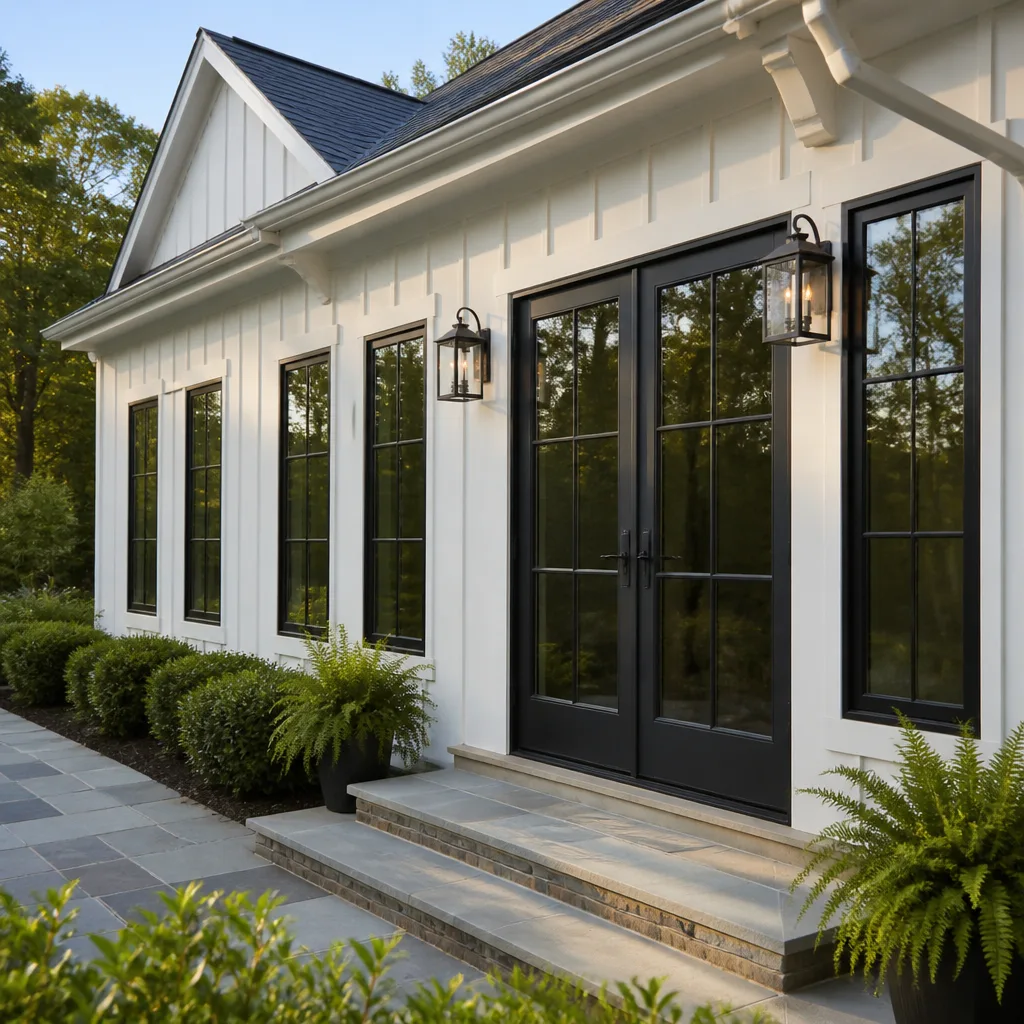 Windows & doors
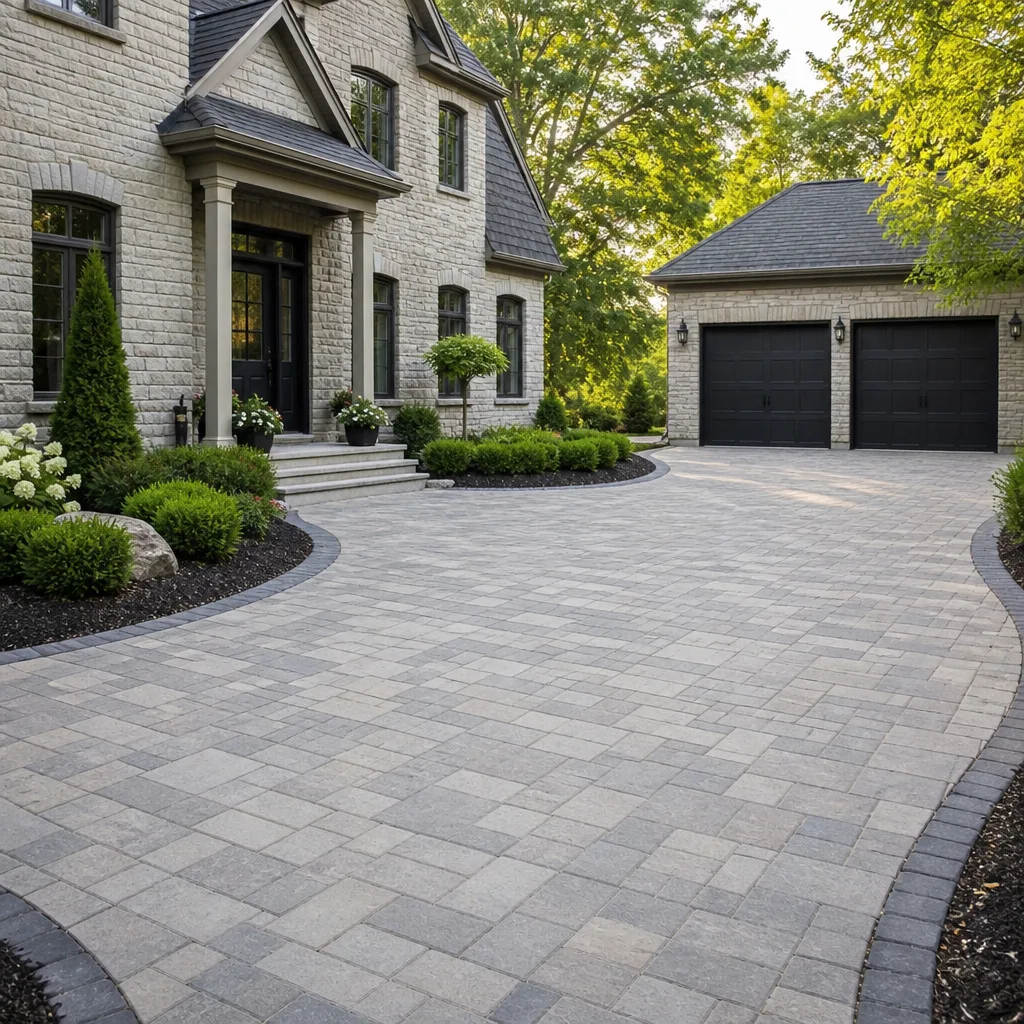 Driveway & pavers
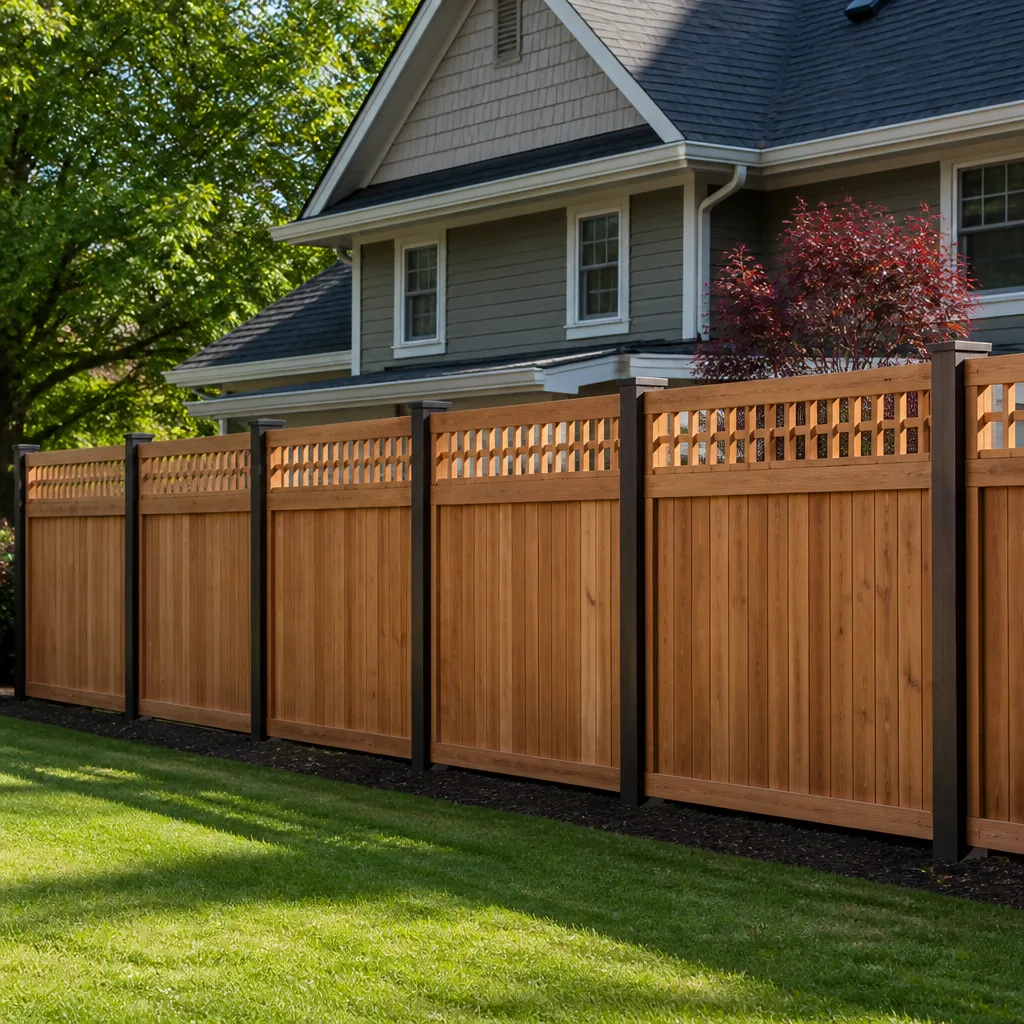 Fence
Free written scope consultation - allowances, timeline, and change-order rules on paper before a single trade is scheduled
How to Hire a Construction Contractor in Garland: A Step-by-Step Guide
Most advice on hiring a contractor boils down to one line: get three bids. That’s not wrong, but it’s not where the real risk lives. You can collect five bids and still sign the one that costs you thousands, because the danger sits in what the document doesn’t say. Which scopes are excluded. Which materials are left unnamed. Whether the contractor will pull the Garland permit in their own name or quietly push that responsibility onto you. The number one complaint that reaches the Texas Department of Licensing and Regulation isn’t sloppy workmanship. It’s scope creep and change orders that were never flagged upfront, and you can prevent almost all of it by knowing what to read for before you sign. This guide walks you through it, step by step, so you can hire with clear eyes.
Quick Answer
To hire a construction contractor in Garland, verify their standing with the Texas Department of Licensing and Regulation, confirm in writing that they will pull the permit in their own name (not yours), and read the bid for the five line items that should always be explicit: material brands and specs, disposal, temporary protection, inspection fees, and warranty terms. Then compare bids line by line, not by the bottom-line number. A contractor who can name their brands, show a clear scope, and take permit accountability is a contractor worth signing with.
Styles & brands we work with
- Kitchen remodeling
- Bathroom remodeling
- Home additions & ADU
- Roofing
- Windows & doors
- Driveway & pavers
- Fence
Table of Contents
- Step 1: Verify the Contractor’s Standing in Under Three Minutes
- Step 2: Understand Permit-Pulling Authority in Garland
- Step 3: Read the Bid Document Like a Contractor
- Step 4: Spot the Red Flags Specific to Garland’s Market
- Step 5: Understand the Single-Contractor vs. GC-with-Subs Model
- Step 6: Ask About Brands and Materials
- Step 7: Nail Down the Timeline and Change-Order Process
- Step 8: Ask the Right Questions Before You Sign
Step 1: Verify the Contractor’s Standing in Under Three Minutes
Texas doesn’t license general contractors the way it licenses electricians or plumbers. That surprises a lot of Garland homeowners, and it’s exactly why a little verification pays off. The state’s regulatory body, the Texas Department of Licensing and Regulation (TDLR), maintains records you can check in a few minutes. Here’s what to understand about TDLR registration, and what it does and doesn’t cover.
TDLR registration is not a blanket credential for every trade. Specialty work like electrical, plumbing, and HVAC falls under separate licensing rules. What TDLR helps you confirm is whether a contractor has complaints filed against them, and whether they’re registered where the law requires it. It is not a guarantee of quality, and it does not vouch for workmanship. Treat it as one data point, not a green light.
Here’s how to check a contractor’s standing quickly:
- Pull up the TDLR website and search the contractor’s business name or the name on the bid.
- Look for an active registration where the trade requires it, and note any complaint history.
- Cross-check the business name on the bid against the name they give you on the phone and on the estimate. Mismatches are a warning sign.
- Ask the contractor directly which licenses or registrations apply to your specific project, and ask to see them.
- For specialty trades, ask for the individual license of the person doing electrical, plumbing, or HVAC work.
Three minutes of checking beats a year of regret. And a legitimate contractor won’t flinch when you ask. If someone gets defensive about a records check, that tells you something.
Step 2: Understand Permit-Pulling Authority in Garland
Here’s the part that trips up more Garland homeowners than any other: whose name is on the permit. When a contractor pulls the permit in their own name, it signals accountability. They’re telling the city, in writing, that they own the work. When the permit is in your name as the homeowner, that same contractor has shifted a large share of the liability onto you.
Why does this matter? Because the permit name determines who the inspector looks to, who’s responsible for code compliance, and, critically, how your insurance sees the project. If a problem arises later and the permit was pulled in your name, your position with your insurer gets a lot messier. Most cities require a permit for structural work, additions, roofing, and electrical or plumbing changes, so knowing who pulls it is not a small detail. Garland’s permitting and inspection process is its own thing, and a contractor who works in the city regularly understands the inspection holds and the sequencing that keeps a job moving.
Ask this plainly: “Will you pull the permit in your company’s name, and are you licensed to do that?” A qualified contractor answers without hesitation. A contractor who deflects, or who suggests you pull it yourself to “save time,” is handing you the risk. On a home additions & ADU project especially, where inspection points stack up across framing, electrical, and final, permit accountability is the whole game.
Step 3: Read the Bid Document Like a Contractor
This is where the real work of hiring happens. A bid is more than a total number. It’s a contract’s worth of information compressed into a page, and most of what matters is in the specifics, not the sum. Five line items should always be explicit. If any of them are missing or vague, ask before you compare anything else.
- Material brands and specs. Not “quartz countertops” but which manufacturer. Not “architectural shingles” but which line and which maker. If the bid won’t name the brand, you can’t compare it to another bid, and you can’t hold anyone to a standard.
- Disposal. Who hauls away the old materials, and is that cost in the number? Demo debris and old shingles or flooring aren’t free to remove, and an unspecified disposal clause often becomes a surprise add-on.
- Temporary protection. Floors, landscaping, driveway surfaces, and the rest of your home need protection during construction, especially in a multi-trade remodel. This should be spelled out.
- Inspection fees. Garland permit and inspection fees should be named, not folded into “miscellaneous.”
- Warranty terms. What’s covered, for how long, and by whom. A workmanship warranty and a manufacturer material warranty are two different things, and both matter.
Read each bid against these five points. Then, and only then, compare the totals. When two bids differ by a wide margin, the difference is almost always in one of these five items, not in a contractor “being cheaper.”
Step 4: Spot the Red Flags Specific to Garland’s Market
Garland’s contractor market has some patterns that are worth naming. Two of them account for a lot of the headaches we hear about.
The first is the out-of-area contractor who doesn’t know Garland’s inspection holds and permitting rhythm. A crew that normally works two counties away may not understand how the city’s inspection scheduling affects a project’s flow. That lack of local knowledge shows up as delays, re-inspections, and a project that stalls at a stage that shouldn’t have a hold at all.
The second is the storm-chaser pattern. After a hail event sweeps through North Texas, out-of-town roofing crews appear with door hangers and big promises. They may do the work, and then they’re gone, and the warranty is a phone number that doesn’t answer. Ask any roofer how long they’ll be around if a problem shows up a year later. Local accountability is not a sales point; it’s your only protection.
Other red flags to watch for:
- A bid with a lump sum and no line items. You can’t hold anyone to a number with no detail behind it.
- A big deposit request before any material is ordered. Reasonable deposits exist, but a request for most of the money upfront is a warning.
- Pressure to sign the same day. Real contractors will still be there tomorrow.
- An unwillingness to name material brands. “Builder grade” and “contractor’s choice” are ways of leaving the decision to someone else.
- No written start date, no written completion estimate, no written change-order process.
Step 5: Understand the Single-Contractor vs. GC-with-Subs Model
When your project touches four trades at once, framing, electrical, plumbing, and finishes, the structure of who’s responsible matters as much as the price. There are two basic models, and they’re not the same.
In a general-contractor-with-subcontractors model, the GC coordinates the work but the subs are often separate businesses. That can work fine, but when something goes wrong, the question of who carries liability can turn into a circle. The GC points to the sub, the sub points to the GC, and you’re in the middle.
On the other end is the model where a single contractor holds the full scope from driveway to roofline. You have one accountable team, one point of contact, and one place to take a problem. That’s the model we work in at Construction Garland, bringing every major interior and exterior project under one contractor so the vision isn’t handed off to strangers mid-project. It’s not the only way to build, but it’s a lot easier to hold someone accountable when there’s only one someone to hold.
Whatever model you choose, ask one direct question: “Who is liable if something goes wrong, and is that written into the contract?” The answer should be a name on a document, not a shrug.
Step 6: Ask About Brands and Materials
The fastest way to tell a serious contractor from a casual one is to ask which brands they work with. A contractor with real material depth can name the manufacturers across every category. A contractor without it will avoid the question or steer you toward whatever their supplier carries.
Here’s the difference. Countertop lines like Cambria, Silestone, and Caesarstone each behave differently, photograph differently, and sit at different price points. Cabinetry from Wellborn or KraftMaid offers different door styles and finishes than a builder-grade line. Roofing systems from GAF, CertainTeed, and Owens Corning aren’t interchangeable in terms of warranty or look. In every category, the brand choice should belong to you, not to what one supplier happens to stock.
That’s why Construction Garland maintains a roster of more than 50 industry-leading material brands across every project category. When we talk about driveway & pavers, the conversation starts with Belgard, Unilock, and Techo-Bloc, because the surface underfoot should follow your design, not a single supplier’s inventory. The same holds for hardscape, cabinetry, countertops, roofing, and plumbing fixtures. You choose the material; we bring the expertise to install it well. When a bid names brands, you can compare apples to apples, and you know what’s actually being installed in your home.
Step 7: Nail Down the Timeline and Change-Order Process
Two things make the difference between a smooth project and a frustrating one: a realistic timeline and a change-order process that’s in writing before work begins. Most homeowners focus on the timeline and forget the change order, which is a mistake.
A change order is any modification to the original scope: a material upgrade, an added electrical outlet, a design change midway through. It’s a normal part of construction. What’s not normal is a change order that appears on the final invoice with no prior agreement. A well-run contractor documents changes as they happen, gets your approval in writing, and updates the price accordingly, so you always know what you’re paying for and why.
On the timeline side, ask these questions and get written answers:
- What’s the start date, and what triggers it (material lead time, permit approval)?
- What’s the estimated completion date, and what are the major milestones?
- How are delays communicated? Who do you call if something slips?
- What’s the process for requests and changes, in writing?
- What’s the final walkthrough and sign-off procedure?
Longer projects like an home additions & ADU or a kitchen remodel across multiple trades deserve a written schedule with dates, not a verbal “we’ll be in and out in a few weeks.” A written schedule is a commitment. A verbal one is a hope.
Step 8: Ask the Right Questions Before You Sign
Before you sign anything, sit down with the contractor and ask these questions face to face. Their answers, and how they answer them, will tell you most of what you need to know.
- Will you pull the permit in your name? Accountability starts here.
- Which material brands will you install, and can I choose? If they can’t name the brands, they don’t have real options for you.
- What’s excluded from this bid? The exclusions matter as much as the inclusions.
- Who’s my point of contact during the project, and how do I reach them? One name, one number, from start to finish.
- What’s the warranty, and who honors it? Workmanship and material warranties are separate. Get both.
- What’s the change-order process? In writing, before work starts.
- Can I see the schedule with milestones? A real schedule, not a promise.
A contractor who answers these calmly and specifically is one worth working with. A contractor who dodges or rushes through them is telling you something before the job even starts.
Common Mistakes to Avoid
- Comparing only the bottom-line number. Two bids that look $5,000 apart are usually $5,000 apart in scope, materials, or permits. Compare the line items, not the totals.
- Letting the contractor put the permit in your name. It feels like a shortcut. It quietly shifts liability, code responsibility, and insurance risk onto you.
- Skipping the TDLR records check because it only takes three minutes. The minutes you save today are the ones you’ll spend untangling a complaint later.
- Accepting “builder grade” or “contractor’s choice” on a material line. Those phrases mean the brand choice belongs to someone else, and you’ll find out after installation what you got.
- Missing the disposal and protection lines in the bid. Demo debris and floor protection are real costs, and when they’re not specified, they show up as add-ons.
- Hiring a storm-chaser after a hail event without checking if they’ll be around later. A warranty is only as good as a phone number that answers in a year.
- Signing a contract with no written change-order process. A job that starts without one tends to end with surprise charges.
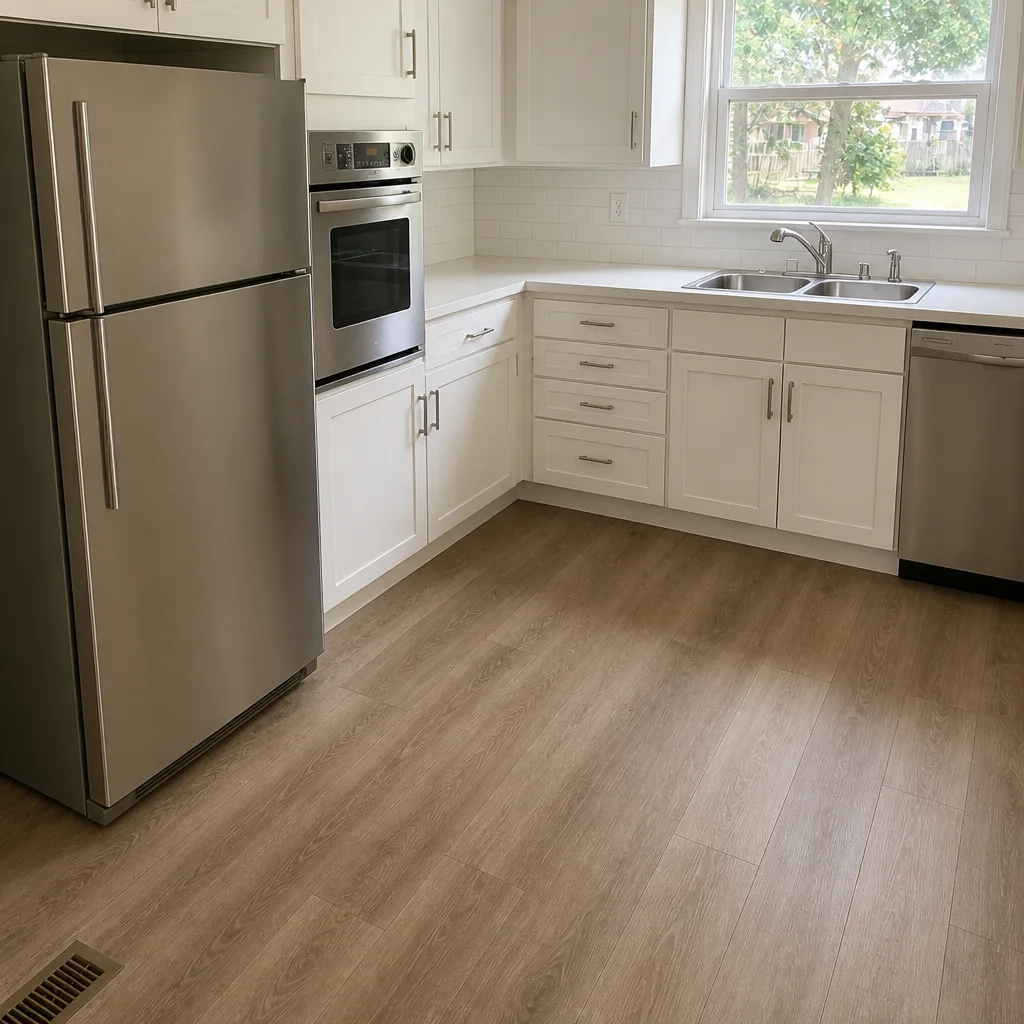
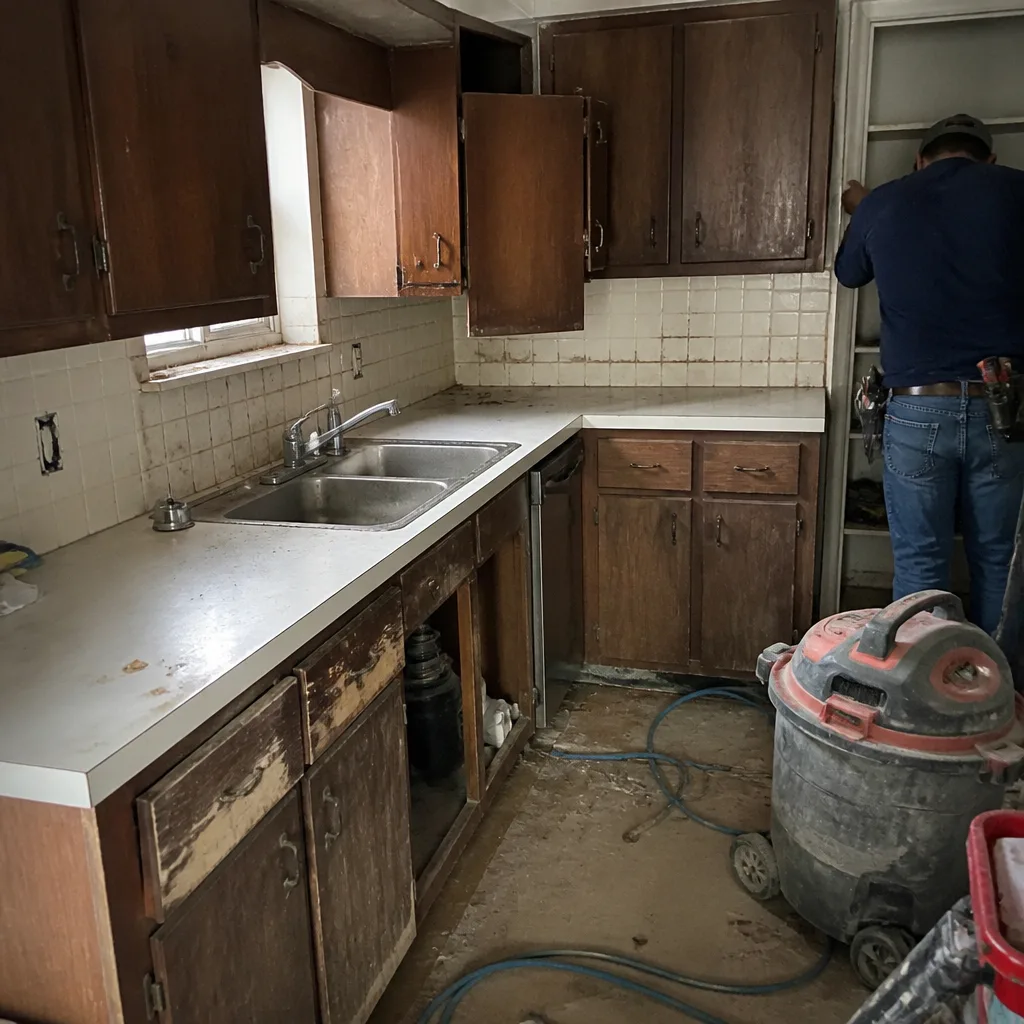
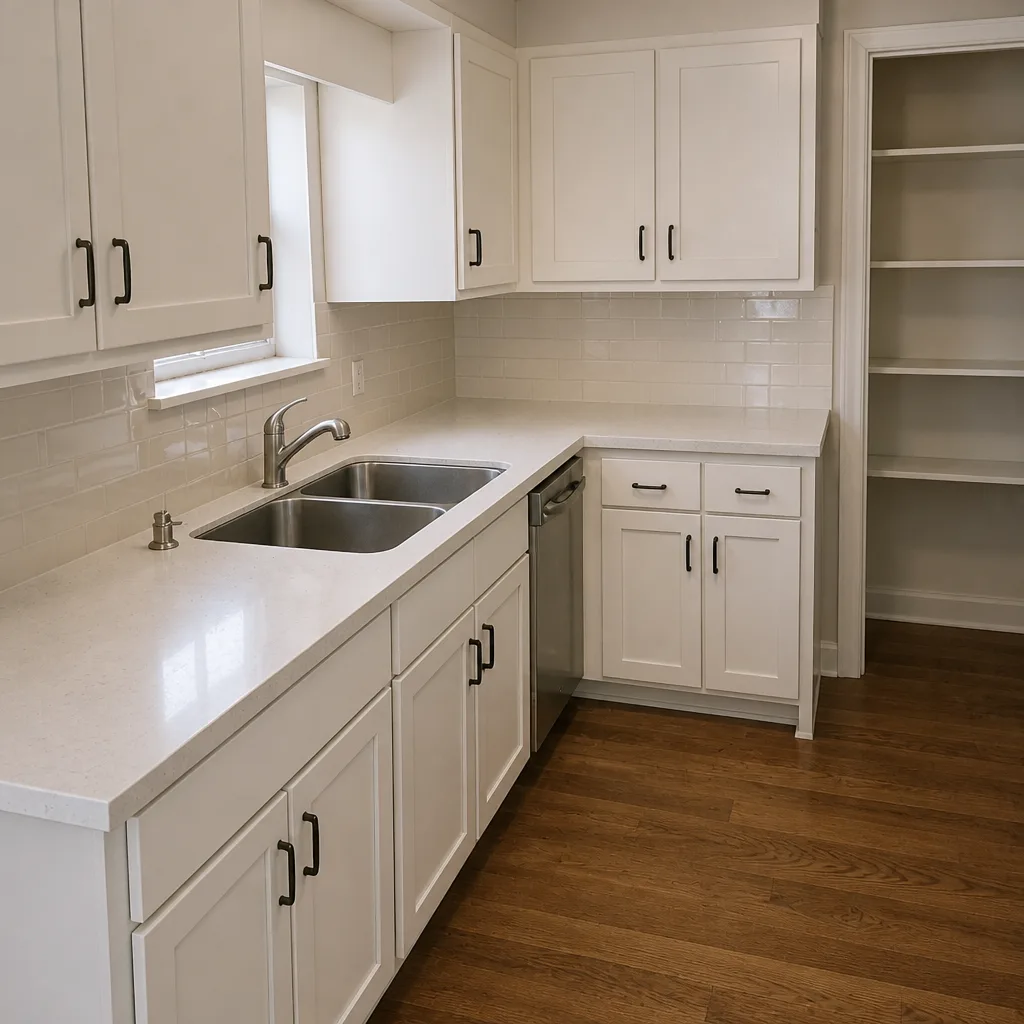
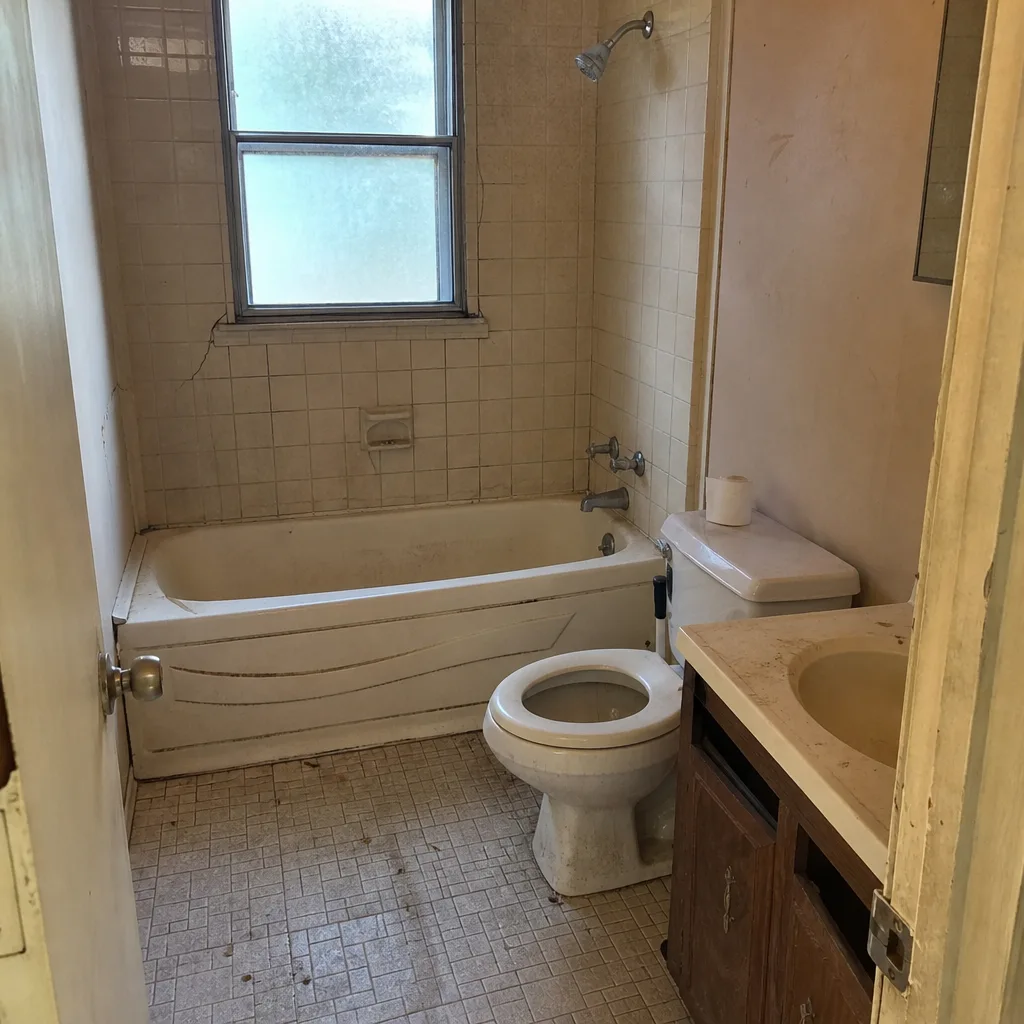
See the difference
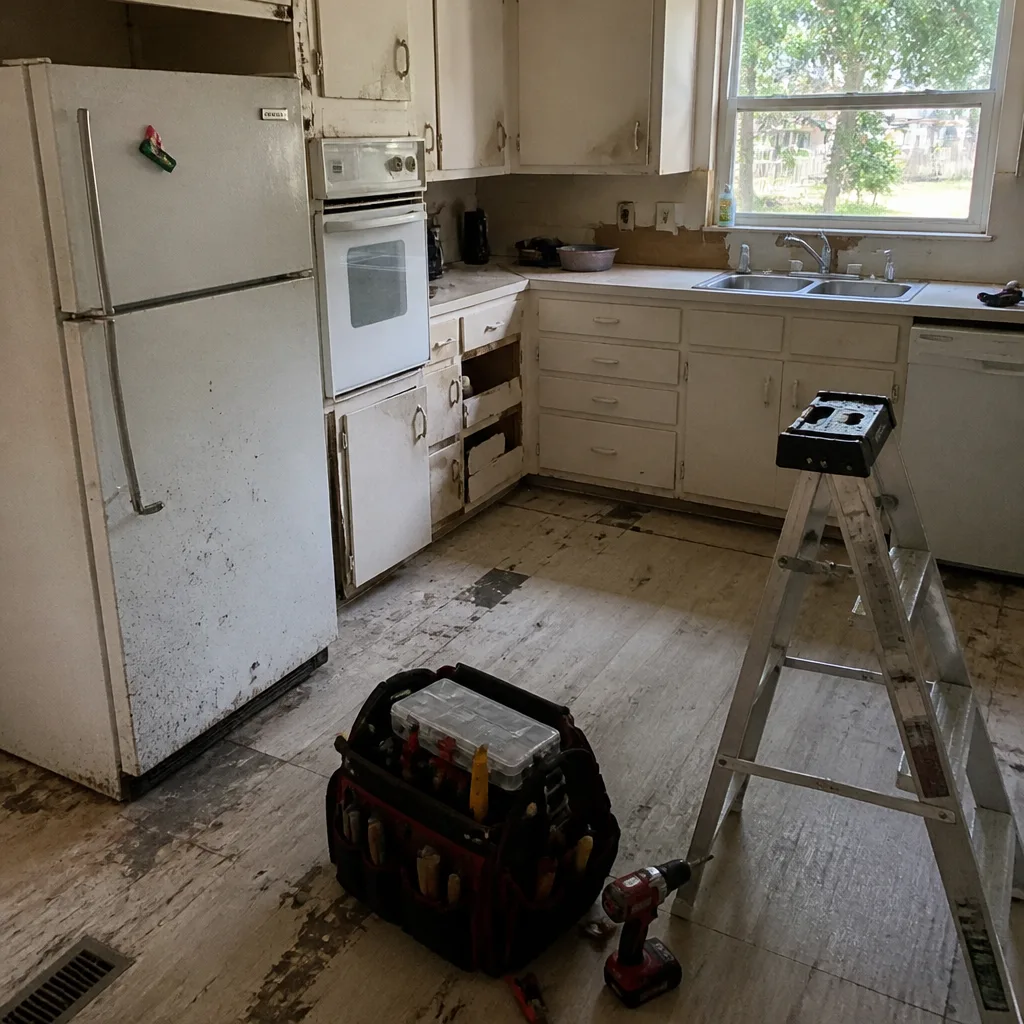 Before
 After
 Before
 After
 Before
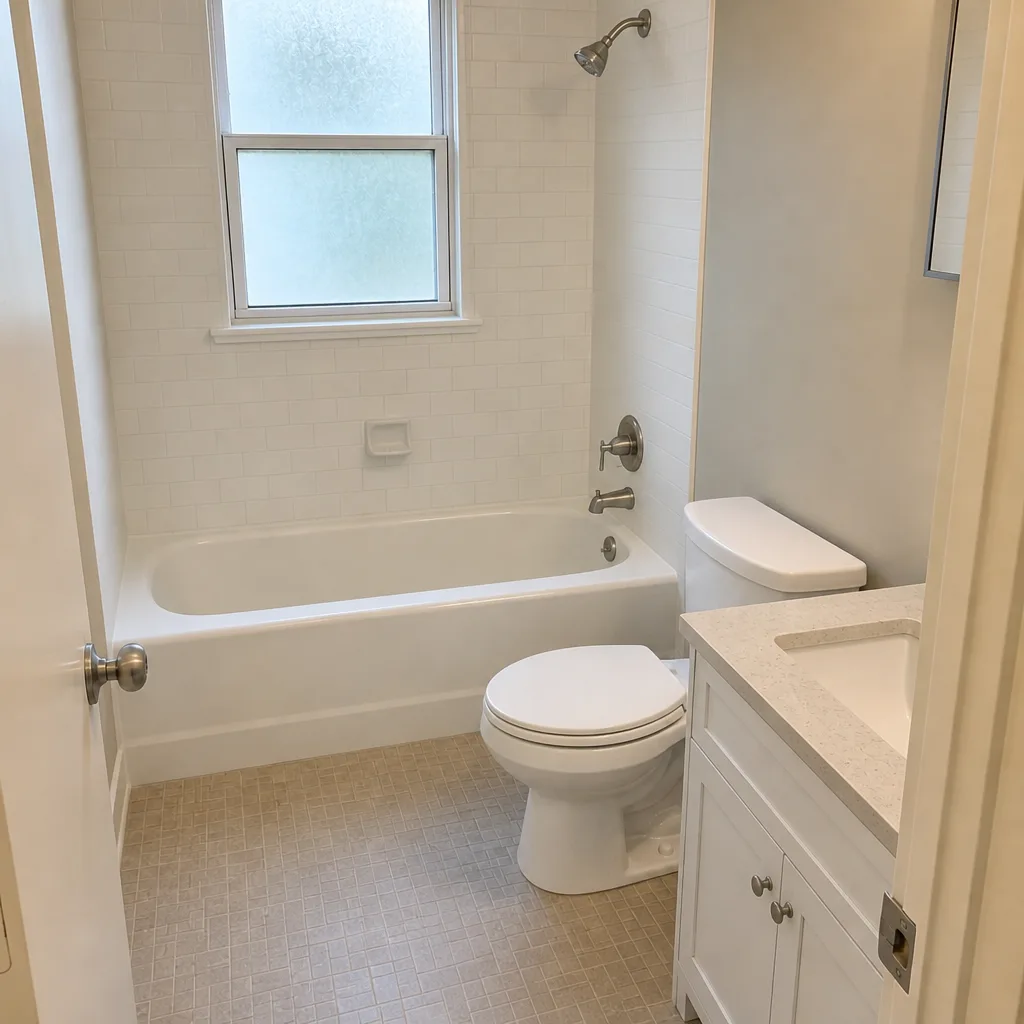 After
When to Call a Professional
Some projects are DIY-friendly: painting a room, replacing a faucet, hanging a fence panel. Others demand a professional, and it’s worth drawing that line clearly. Structural work, electrical and plumbing changes, roofing, window and door replacement, and any project that requires a permit belong in trained hands. The same is true of any job with code compliance stakes, which covers most of what changes a home’s footprint or envelope.
Roofing work in particular is a place to call a professional early. Working at height on a Garland roof carries real injury risk, and an untrained repair can void a manufacturer’s warranty. If your gut says a job is beyond your toolkit, it probably is. Construction Garland offers free estimates in Garland, and we’d rather talk through your project before you commit than after. Call (888) 405-7616 to schedule your free estimate.
Frequently Asked Questions
Check the Texas Department of Licensing and Regulation (TDLR) records by searching the contractor’s business name, and confirm which registrations apply to your specific trade. Texas does not license general contractors statewide, so specialty trades like electrical, plumbing, and HVAC have separate requirements. Ask the contractor directly for the license or registration covering your project, and cross-check the name on the bid against the name in the records. Call (888) 405-7616 for an exact quote, estimates are free.
A contractor should pull the permit in their own company name. When a contractor pulls it, they’re taking accountability for code compliance and inspection, which is where the responsibility belongs. When the permit is in the homeowner’s name, a chunk of the liability shifts onto you, and your insurer sees the project differently. Ask the contractor upfront: “Will you pull the permit in your name?” A qualified contractor answers without hesitation. Call (888) 405-7616 to discuss your project.
A solid bid should be explicit on five points: material brands and specs, disposal of old materials, temporary protection for the home and landscape, inspection fees, and warranty terms. Each of these should be named, not folded into a lump sum. Without them, you can’t compare bids fairly, and you can’t hold anyone to a standard. Call (888) 405-7616 for a written estimate that spells out the scope.
Watch for out-of-area crews with door hangers and same-day signing pressure, and ask one direct question: “Will you still be around if a problem shows up a year from now?” A local contractor with real roots answers that with specifics, while a storm-chaser usually can’t. Also check whether their materials are named brands like GAF, CertainTeed, or Owens Corning, because an unnamed shingle line is a common way to hide a low-end product. Call (888) 405-7616 to schedule a free roofing estimate.
It depends on the scope and how much accountability you want in one place. A single contractor across all trades gives you one point of contact and one party to hold responsible when something goes wrong. A GC-with-subs model can work but the liability question gets murkier when four separate businesses are on your property at once. Ask directly: “Who is liable if something goes wrong, and is that in the contract?” Call (888) 405-7616 to discuss a single-contractor approach for a multi-trade project.
A change order is any modification to the original scope, and it’s a normal part of construction. What matters is that it’s agreed in writing before the work happens, with the price change spelled out. A well-run contractor documents changes as they come up, gets written approval, and updates the price accordingly, so there’s no surprise on the final invoice. If the contract has no written change-order process, ask for one. Call (888) 405-7616 for an estimate that includes the process in writing.
The Bottom Line
Hiring a construction contractor in Garland isn’t about collecting the most bids. It’s about reading what the bid actually says, and what it leaves out. Verify the contractor’s TDLR standing. Confirm they’ll pull the permit in their own name. Insist that the bid names material brands, includes disposal and protection, and spells out warranty terms. Compare line by line, not by the total. And when four trades are on your property at once, know who’s carrying the liability before the first nail goes in. That’s the whole game, and it’s a game you can win.
Construction Garland brings every major interior and exterior project under one contractor, backed by more than 50 industry-leading material brands. From driveway & pavers to fence installation and home additions & ADU work, you get one accountable team and a written estimate that names every material. Our technicians have up to 10 years of experience, and we’re happy to answer every question on this page before you sign anything.
Call (888) 405-7616 to schedule your free estimate. We answer 24/7. Fast dispatch from 7am to 7pm, Sunday through Friday.
Written by the team at Construction Garland.