
Last updated November 16, 2026
 Driveway & pavers
 Kitchen remodeling
 Bathroom remodeling
 Home additions & ADU
 Roofing
 Windows & doors
 Fence
Free written scope consultation - allowances, timeline, and change-order rules on paper before a single trade is scheduled
Driveway & Pavers Maintenance Checklist for Garland Homeowners
A paver driveway that looks perfect in March can show joint separation and edge lifting by October. It’s rarely the installation. Garland sits on some of the most active shrink-swell clay in Collin and Dallas counties, and that soil moves with every wet spring and dry summer. The paver itself almost never fails first; the ground under it does, and it takes the joints, the edges and the slope with it. This guide is a working checklist built around that reality. You’ll learn when to inspect, how to read early subsidence against surface settling, which joint sands hold up in Garland heat, how to protect your drainage grade, and when sealing helps versus when it traps moisture and makes things worse.
Quick Answer
Maintain a Garland driveway by inspecting joints, edge restraints and base saturation twice a year, once after the wet spring and once at the end of the dry summer, replenishing polymeric joint sand when it drops below the paver surface, keeping the surface graded at a minimum 1% to 2% away from the house, and sealing only after the base has stabilized. The single biggest factor is ground movement from Garland’s clay soil, not traffic. Manage the movement and the driveway lasts; ignore it and no amount of cleaning will save the joints.
Styles & brands we work with
- Kitchen remodeling
- Bathroom remodeling
- Home additions & ADU
- Roofing
- Windows & doors
- Driveway & pavers
- Fence
Table of Contents
- Why Garland’s Clay Soil Is the Real Maintenance Issue
- The Seasonal Inspection Schedule for Garland’s Wet-Spring, Dry-Summer Cycle
- Joint Sand Replenishment: Which Sands Survive Garland Summers
- Early Subsidence vs. Surface Settling: What You Can Fix and What You Can’t
- Drainage Slope Maintenance and the 1% to 2% Rule
- Sealer Selection and Timing
- If You Have a Concrete Driveway Instead
- Choosing a Paver System That Fits Garland Soil
Why Garland’s Clay Soil Is the Real Maintenance Issue
Most driveway advice is written for places where traffic load is the enemy. In Garland, it’s the dirt. The black and gray clay under much of the city swells when it takes on water and shrinks as it dries, and it does both more aggressively than the sandy or limestone-based soils that drive most national paver guidance. A wet spring pushes the clay up. A dry July and August pulls it back down. That cycle repeats every year, and every cycle puts stress on the base, the bedding layer and the joints above it.
What that means for you is that a driveway can pass a visual inspection in a mild season and still be quietly losing support. The pavers don’t crack the way concrete slabs do, which is one of their real advantages, but they can rock, dip and separate at the edges when the base underneath stops being uniform.
Garland’s older neighborhoods, especially the post-war blocks closer to the downtown square and around the older sections of town, often have shallow or lightly compacted base courses that were built for lighter loads and less rigorous standards. Newer subdivisions on the city’s edges tend to have better base prep but the same clay. In both cases, the maintenance approach is the same: watch the ground, not just the surface.
Three things follow from this:
- Inspect after the wettest part of spring and again at the end of summer, when the clay has finished shrinking.
- Treat joint sand as a maintenance item, not a one-time installation step.
- Take drainage seriously, because water is what drives the swelling in the first place.
If you’re weighing a new surface rather than maintaining an old one, our driveway & pavers work is built around base prep for exactly this soil, and it’s worth understanding before you compare bids that only talk about the top layer.
The Seasonal Inspection Schedule for Garland’s Wet-Spring, Dry-Summer Cycle
Garland gets most of its rain in spring, then a long hot stretch where the ground dries and the clay contracts. That rhythm sets your inspection calendar better than any generic “check it twice a year” advice. Here’s how we lay it out.
- Late March to early April, after the last heavy rains. This is when the clay is at its most swollen. Walk the driveway and look for pavers that rock underfoot, joints that have opened wider than a pencil, and any soft or spongy spots near the edges. Check where the driveway meets the garage and the street apron.
- Late May, once the wet season winds down. Re-check the same spots. Joint sand that survived winter may have washed out during spring rain. Look at the base of retaining edges and at any low corner where water pools.
- August, at the end of the dry stretch. This is the most revealing inspection of the year. As the clay shrinks, early subsidence shows up as dips and edge settlement that were invisible in spring. This is when you want to catch problems, before fall rains refill the clay and hide them again.
- October to November, before the next wet season. Replenish joint sand, clear debris from drainage paths, and correct any grade issues while the ground is relatively stable. This is also the safest window for sealing if you’re going to seal at all.
Write down what you find each time. A dip that’s a quarter inch in August and three quarters of an inch the next August is telling you something a single inspection won’t. The log itself is a maintenance tool, and it’s the kind of record that makes a professional assessment faster and more accurate.
One note on timing: Garland’s summers are hard on both pavers and people. Do the August inspection early in the morning when the surface is cool, and don’t plan on kneeling on sun-heated pavers in the middle of the afternoon.
Joint Sand Replenishment: Which Sands Survive Garland Summers
Joint sand is what locks the pavers together and keeps them from shifting individually. When it washes out or blows away, the pavers start to move, and once they move, the joints open further and the cycle speeds up. In Garland, heat and seasonal rain make this a yearly task, not a five-year one.
The sand you choose matters as much as how often you top it off. Polymeric sand is a mix of fine aggregate and a binder that sets up when it gets wet, and quality varies widely. The better polymeric sands are formulated to hold their bind under repeated wet-dry cycling and sustained heat. Cheaper products tend to powder out faster, especially on a driveway that takes full afternoon sun, and once the binder breaks down the sand behaves like plain loose sand and washes away at the first hard rain.
What to look for when you replenish:
- A polymeric sand built for hardscape joints, not a general-purpose sand or play sand. The binder is the whole point.
- Correct fill depth. The joint should be filled to within about an eighth of an inch of the paver surface, not mounded above it and not left half-empty.
- Full joint coverage across the whole field, including the perimeter, which is where washout usually starts.
- A dry application window. Polymeric sand needs to be swept in and activated without rain interrupting the cure. Watch the forecast and avoid the leading edge of a spring storm.
The perimeter and the low corner of the driveway are the first places to check, because that’s where water concentrates and where joint sand leaves first. If you find yourself refilling the same stretch every season, that’s not a sand problem; it’s a drainage or edge-restraint problem wearing a sand costume.
Replenishing joint sand is a job most homeowners can handle with a broom, a hose and patience. If the joints are wide, the pavers are rocking, or the same area keeps washing out, that points to the next section.
Early Subsidence vs. Surface Settling: What You Can Fix and What You Can’t
Not every dip in a paver driveway is a crisis, and telling the two apart saves you money and worry. Surface settling is shallow, uniform and stable; it’s the normal compaction of the bedding layer in the first seasons after installation. Early subsidence is different: it’s localized, it deepens over time, and it usually traces back to the base or the soil beneath it.
Here’s the practical test:
- Surface settling shows as slight, even depression across a broad area, with joints intact and pavers firmly locked. It usually stops changing after the first year or two.
- Early subsidence shows as a dip in one spot, pavers that rock when you step on them, joints that open wider on one side, or a visible step at a paver-to-concrete transition. It gets worse each season.
Surface settling is often cosmetic and can be left alone or addressed later. Early subsidence is the one to take seriously, because it means the base is no longer supporting the pavers evenly. It can come from a poorly compacted base course, a buried utility trench that wasn’t backfilled and compacted properly, a downspout dumping water against the edge, or simply the clay doing what clay does under a heavy load it wasn’t designed for.
That’s a job for a professional. Correcting subsidence means lifting the affected pavers, regrading and recompacting the base, and re-laying the surface so the grade comes back to spec. It’s not a matter of pouring something into the dip. If you’re seeing it, our Construction Garland team can look at the base and give you a clear read on whether it’s settling or something deeper.
One habit that prevents a lot of subsidence: keep water away from the edges. A downspout that discharges onto the driveway edge, a bed that’s been built up against the pavers, or a gutter that overflows in a hard rain all push water into the base and speed up the problem.
Drainage Slope Maintenance and the 1% to 2% Rule
A driveway has to shed water, and the grade it’s built to is the reason. Most residential driveways are set at a minimum slope of 1% to 2% away from the house and toward the street or a drainage point. That’s a small enough fall that you won’t feel it walking, but it’s the whole game when it comes to keeping water out of the base and away from your foundation. In Garland, where the soil moves with moisture, a grade that’s drifting out of spec is a maintenance problem waiting to become a structural one.
Landscaping changes are the usual culprit. A new planting bed built up along the driveway edge, a tree’s root growth pushing the soil, or a low spot that has silted in from runoff can all undermine the slope over a few seasons. You won’t notice it in a light rain. You’ll notice it after a hard spring storm, when water pools along the edge instead of running off.
What to check:
- Pooling after rain. Stand outside after a heavy rain and see where water sits. Any puddle that lasts more than a few hours is a grade or drainage issue.
- Edge build-up. Landscape soil, mulch or rock piled against the pavers blocks runoff. Keep the bed level below the paver surface.
- Tree roots. A mature tree near the driveway can lift a section over years. Watch for pavers tilting up rather than down.
- Downspout discharge. Extend downspouts so they don’t dump against the driveway edge.
- Gutter overflows. Clogged gutters dump sheets of water at the worst spot. Clear them before the wet season.
If the slope has drifted, correcting it means re-laying pavers to restore grade, not just patching the low spot with more sand. That’s a professional job, and it’s one of the most important maintenance tasks on a paver driveway in Garland because it addresses the root cause rather than the symptom.
Sealer Selection and Timing
Sealer is the most misunderstood item on the list. It can protect a paver surface from staining, deepen the color and make cleaning easier, and it’s widely promoted for that reason. But on a driveway over active clay, sealing at the wrong time can make things worse by locking moisture against the base and reducing the surface’s ability to breathe and drain.
The simple rule: seal after the base has stabilized, not before. If your driveway is still showing subsidence, joint washout or edge movement, sealing it just hides the problem and makes the next repair harder. Seal a driveway that’s flat, well-drained and stable, and you’re protecting a sound surface.
Timing matters as much as condition. The window we recommend in Garland is after the summer dry-down and before the fall wet season, when the clay has contracted and the surface is at its most stable. Sealing in the spring, when the ground is swollen and moist, is more likely to trap water in the pavers.
Sealer types are not equal:
- Penetrating sealers soak into the paver surface and leave it breathable. They’re a good fit for a driveway that needs stain resistance without changing the texture.
- Film-forming or acrylic sealers sit on top and give a gloss, but they can trap moisture and they wear off unevenly. On a drive with any movement, they can also crack and flake.
Whatever you choose, follow the manufacturer’s instructions on temperature and cure time, and don’t seal if rain is in the forecast. A sealer that’s applied and then rained on before it cures is wasted money.
Sealing is optional. Keeping the joints full, the grade correct and the base dry is not. When in doubt, fix the movement first and seal later.
If You Have a Concrete Driveway Instead
Garland has plenty of concrete driveways, and the clay affects them differently. Concrete doesn’t flex with the soil, so when the clay moves under a slab it cracks rather than settling gracefully. That means the maintenance checklist shifts toward controlling water and watching the joints.
What to do on a concrete drive in Garland:
- Keep control joints and expansion joints clean. Debris in the joints gives water a path into the base.
- Watch for cracks that widen seasonally. A hairline crack is normal; a crack that’s a quarter inch in spring and half an inch in August is telling you the slab is moving.
- Manage water at the edges. Same rule as pavers: keep downspouts and landscape beds from pushing water against the slab.
- Address ponding early. A low spot that holds water feeds the clay and speeds up the next crack.
Sealing a concrete driveway helps with surface staining and freeze resistance in colder climates; in Garland, the bigger job is keeping water out of the base. For concrete that’s badly cracked or settled, a paver replacement is often the better long-term answer because pavers accommodate minor movement without cracking. Our driveway & pavers team can walk you through the comparison if you’re deciding between repairing and replacing.
Choosing a Paver System That Fits Garland Soil
If you’re planning a new driveway or a full replacement, the maintenance burden down the road is set largely by what gets specified at the start. Two drives installed with the same pavers can behave very differently over ten years depending on the base, the edge restraint and the joint system. In Garland’s soil, these are worth insisting on regardless of which contractor you use.
What to look for in a paver system built for this clay:
- A properly excavated and compacted aggregate base. The depth and compaction of the base course is the single most important factor in a driveway’s long-term stability. Ask about it, and expect a straight answer.
- Correct edge restraint. The perimeter is where most paver failures start. Edge restraint that’s pinned and compacted properly holds the field in place as the ground moves.
- A joint system that sheds water. Polymeric joint sand that binds well and holds up to heat and rain is worth the upgrade over loose sand.
- Grade that runs away from the house at 1% to 2%. Confirm the slope before the pavers go down, not after.
When you buy pavers, you’re buying the base and the specs as much as the surface. Design-grade pavers in a range of styles are available, and the brand choice should be driven by your style and budget rather than by what one supplier happens to stock. If you’re also planning a new fence or a side-yard project, our fence installation and home additions & ADU work follows the same approach to site prep.
Common Mistakes to Avoid
- Top-dressing a dip with sand instead of fixing the base. It looks better for a season and fails faster the next, because the underlying subsidence is still there.
- Sealing a driveway that’s still moving. Sealing over active subsidence traps water and makes the eventual repair harder. Stabilize first, seal later.
- Refilling joint sand without checking why it washed out. Repeated washout in the same spot points to a drainage or edge problem, not a sand problem.
- Letting landscape beds build up against the pavers. A bed that sits above the paver surface pushes water into the base and robs the drive of its grade.
- Ignoring downspouts and gutter overflows. A surprising amount of paver damage in Garland traces back to water being shed right at the driveway edge.
- Skipping the August inspection. It’s the hottest and least pleasant time to look, and it’s the most revealing, because that’s when the clay has finished shrinking and early subsidence shows.
- Choosing a paver system on looks alone. The base, restraint and joint spec do more for longevity than the surface color, and they should be part of the conversation with any contractor.
See the difference
 Before
 After
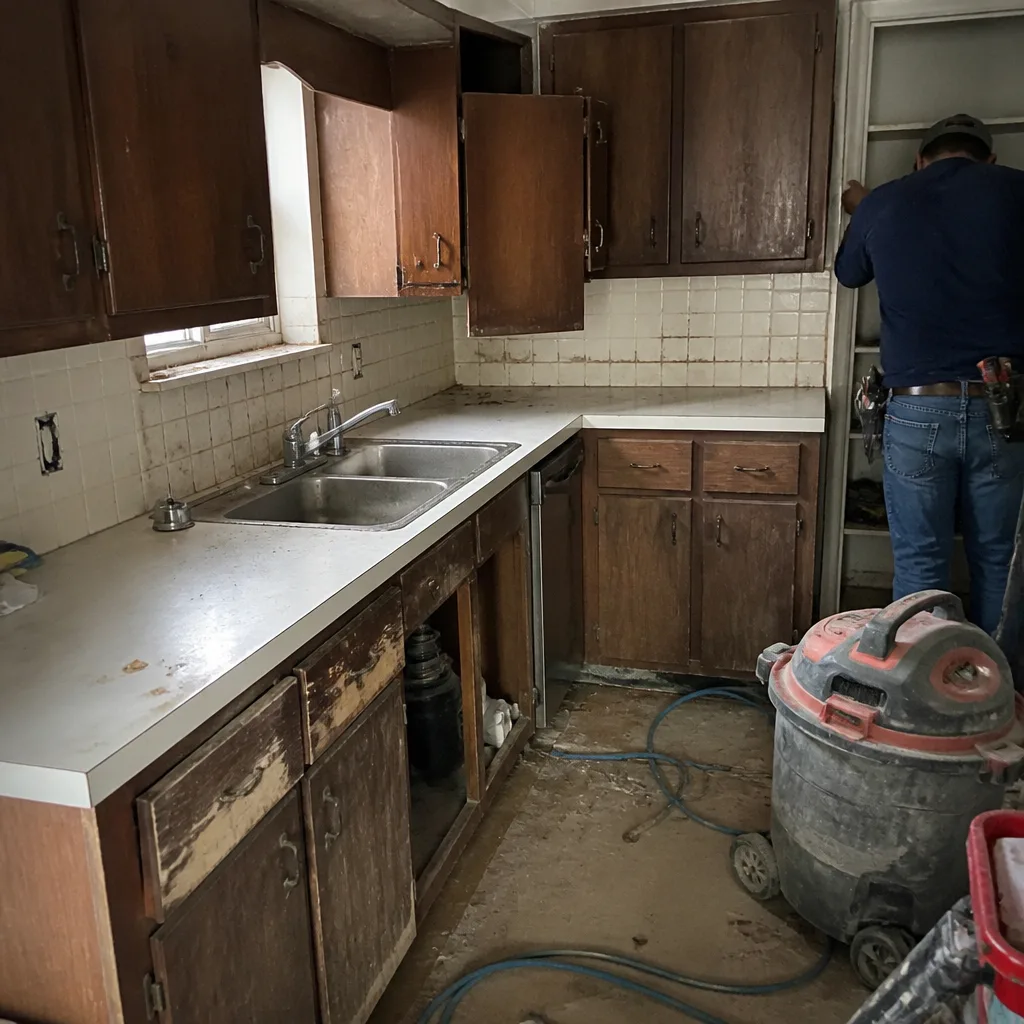 Before
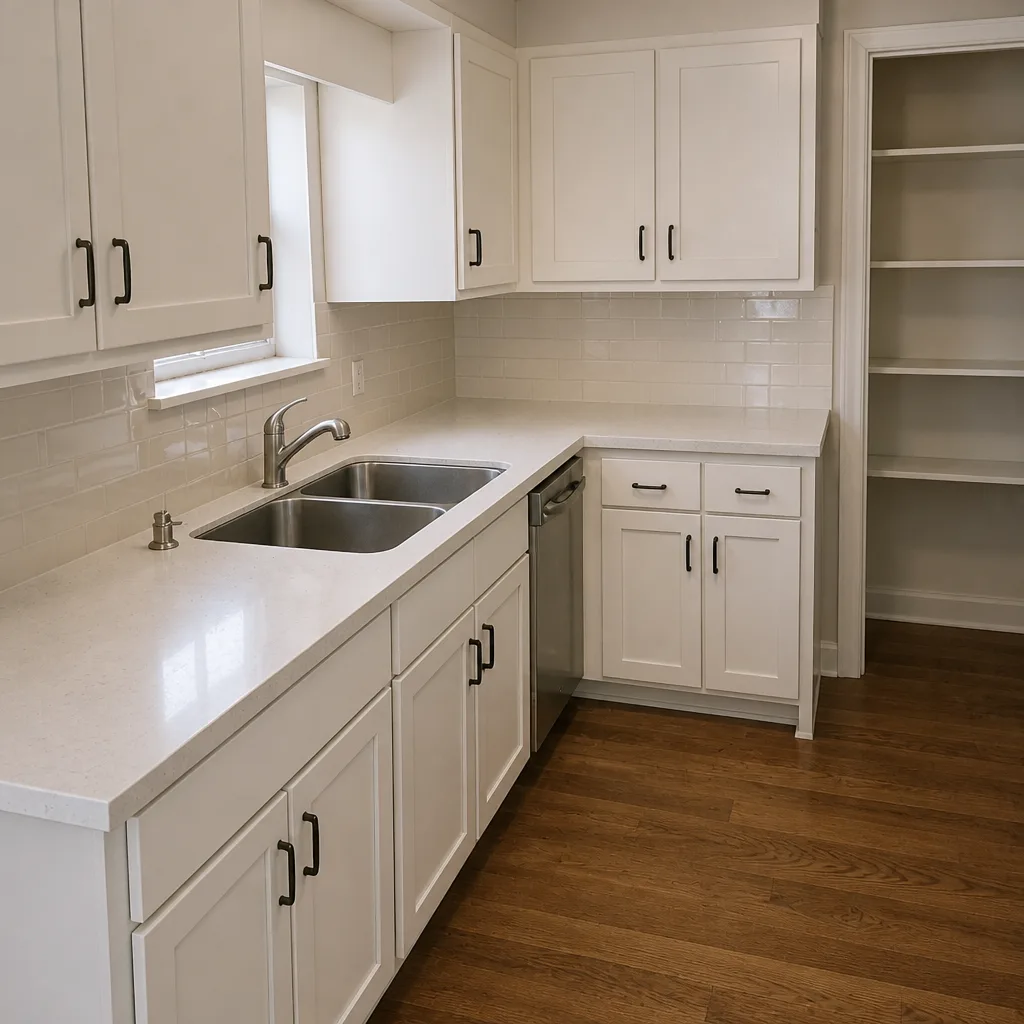 After
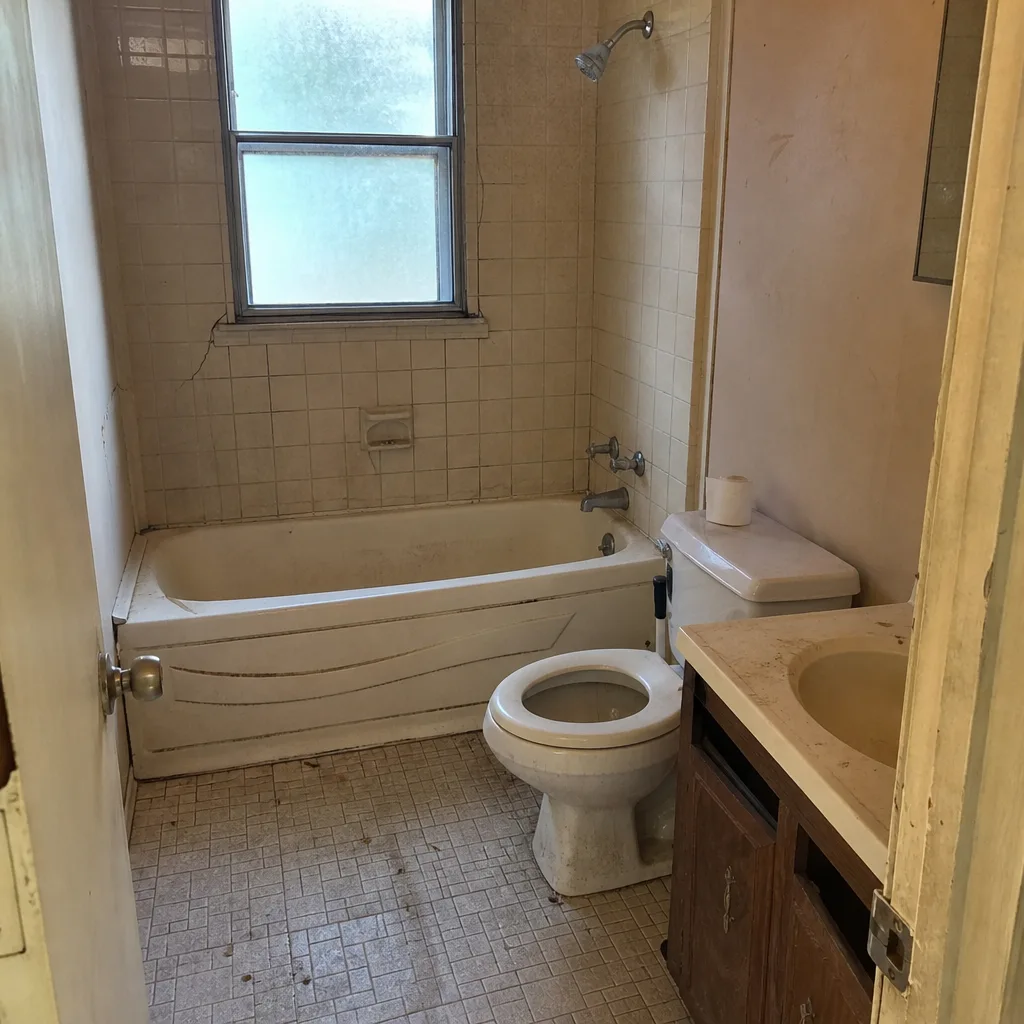 Before
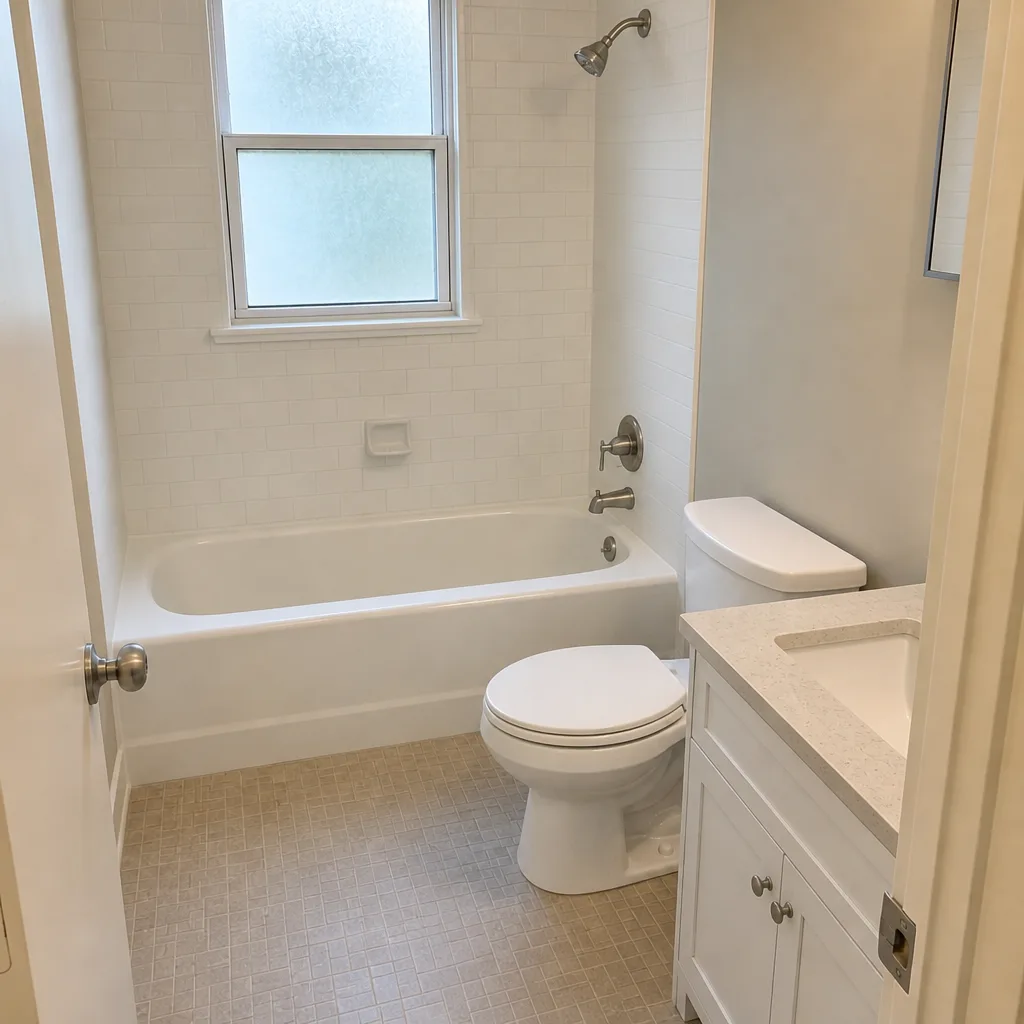 After
When to Call a Professional
Most of the checklist above is within reach of a homeowner with a broom, a hose and an hour after a storm. A few things are not. Call a professional when you see pavers that rock underfoot, a localized dip that’s deeper this season than last, a visible step at the paver-to-concrete transition, joint sand that keeps washing out in the same spot no matter how often you refill it, or water that pools along the edge after rain. Those signal a base, edge or grade problem that surface fixes won’t solve, and correcting them early is almost always cheaper than correcting them late. Construction Garland offers free estimates in Garland. Call (888) 405-7616, and we answer 24/7. Fast dispatch from 7am to 7pm, Sunday through Friday.
Frequently Asked Questions
Plan on inspecting joint sand after the wet spring and again at the end of summer, and replenishing whenever it has dropped noticeably below the paver surface. Garland’s wet-dry cycle is harder on joints than a stable climate, so yearly replenishment of worn areas is normal. If the same stretch washes out every season, it’s a drainage or edge problem and worth a professional look. Call (888) 405-7616 for an exact quote. Estimates are free.
The dips are usually early subsidence from clay contraction, not surface settling. Garland’s clay shrinks as it dries, and pavers over a base that isn’t fully supporting them will settle into any weak spot. A dip that deepens each year, or pavers that rock when you step on them, is the signal. That’s a base and regrade job, not a surface fix. Call (888) 405-7616 to have it assessed.
Seal only after the driveway is flat, well-drained and stable. Sealing over active movement traps moisture against the clay and makes the next repair harder. The best window here is after the summer dry-down and before the fall wet season, when the surface is most stable. If you’re unsure whether your drive is ready, call (888) 405-7616 for an exact quote. Estimates are free.
A residential driveway should fall at a minimum of 1% to 2% away from the house and toward the street or a drainage point. That’s enough fall to shed water without sounding steep. Landscape build-up, tree roots and silt can all erode the grade over time, so check where water pools after a heavy rain. If the slope has drifted, restoring it takes a professional re-lay.
No. Our work is priced per job by the written estimate, and the estimate sets the final price. We provide a free estimate with the scope spelled out before any work begins, so you know what the job involves and what it costs. Unexpected conditions found during excavation are discussed with you before anything changes. Call (888) 405-7616 to get started.
Pavers handle heat and minor ground movement differently than concrete, which is why they’re a good fit for Garland’s clay. Concrete is rigid; when the clay moves under a slab, it cracks. Pavers flex with small movement and stay intact, though they still need joint sand and base maintenance. The material that lasts best is a well-base-prepped paver drive with a proper edge restraint.
The Bottom Line
Garland drives fail from the ground up, not the top down. The clay under your driveway moves with every wet spring and dry summer, and that movement is what destroys pavers and concrete ahead of their time. Keep the checklist in front of you: inspect after the wet season and at the end of the dry stretch, keep joint sand full, hold the 1% to 2% grade, watch for early subsidence rather than surface settling, and seal only after the base is stable. Do those five things and your driveway holds up for decades instead of showing joint separation by fall. If you’d rather hand it to a team that knows this soil, our technicians have up to 10 years of experience, and we offer free estimates in Garland.
Whether you’re maintaining an existing drive, replacing a cracked concrete slab, or planning a full exterior refresh alongside a new fence or a home addition, Construction Garland brings driveway and pavers, fencing, windows and doors, roofing and kitchen and bath remodeling together with one accountable team. You choose the material; we bring the expertise. Call (888) 405-7616 for a free estimate. We answer 24/7, with fast dispatch from 7am to 7pm, Sunday through Friday.
Written by the team at Construction Garland.