
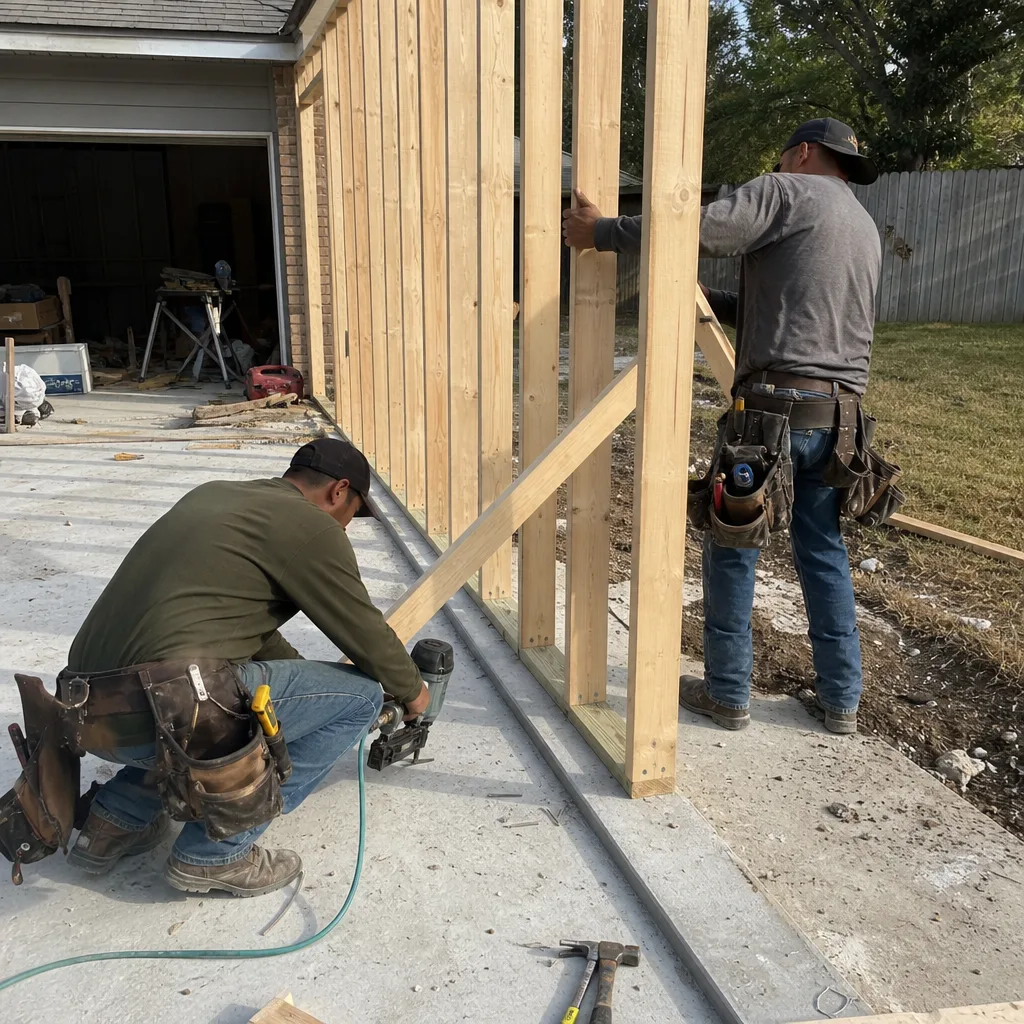
Last updated November 16, 2026
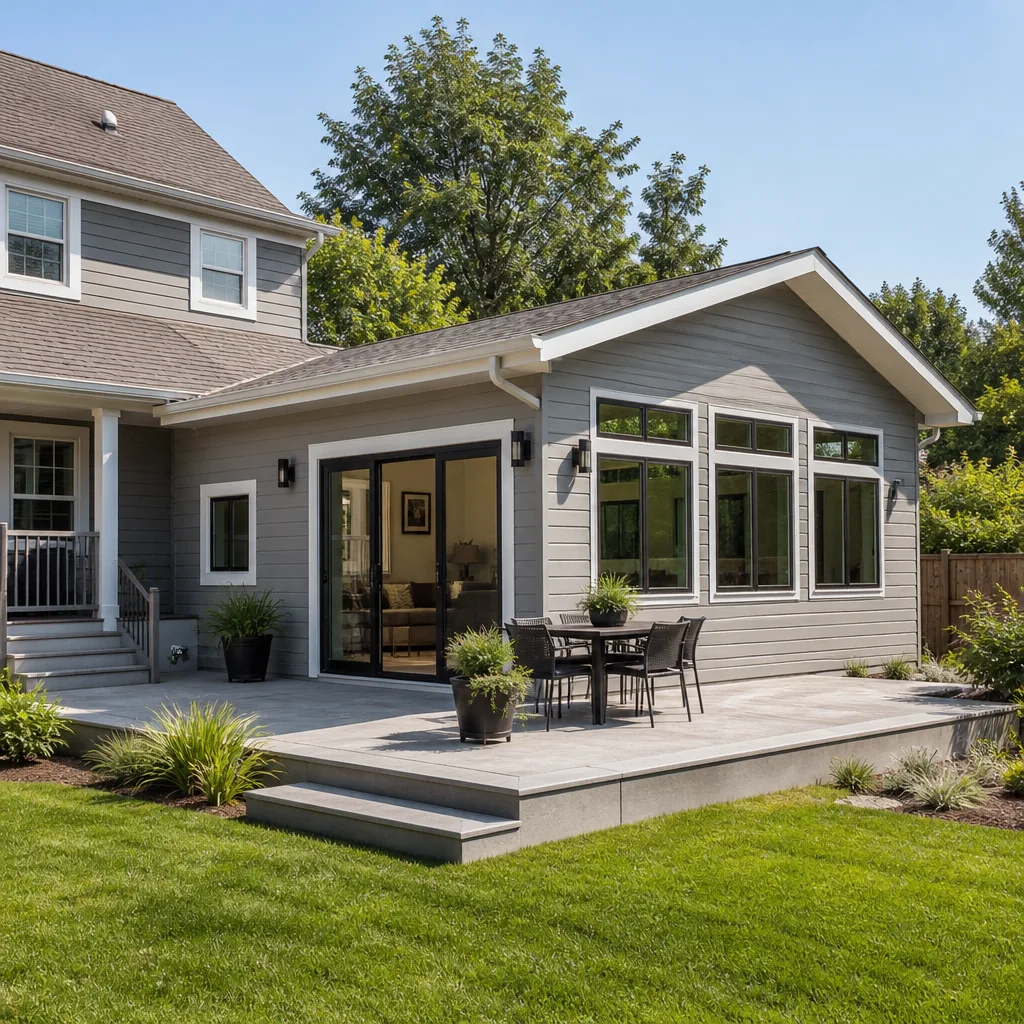 Home additions & ADU
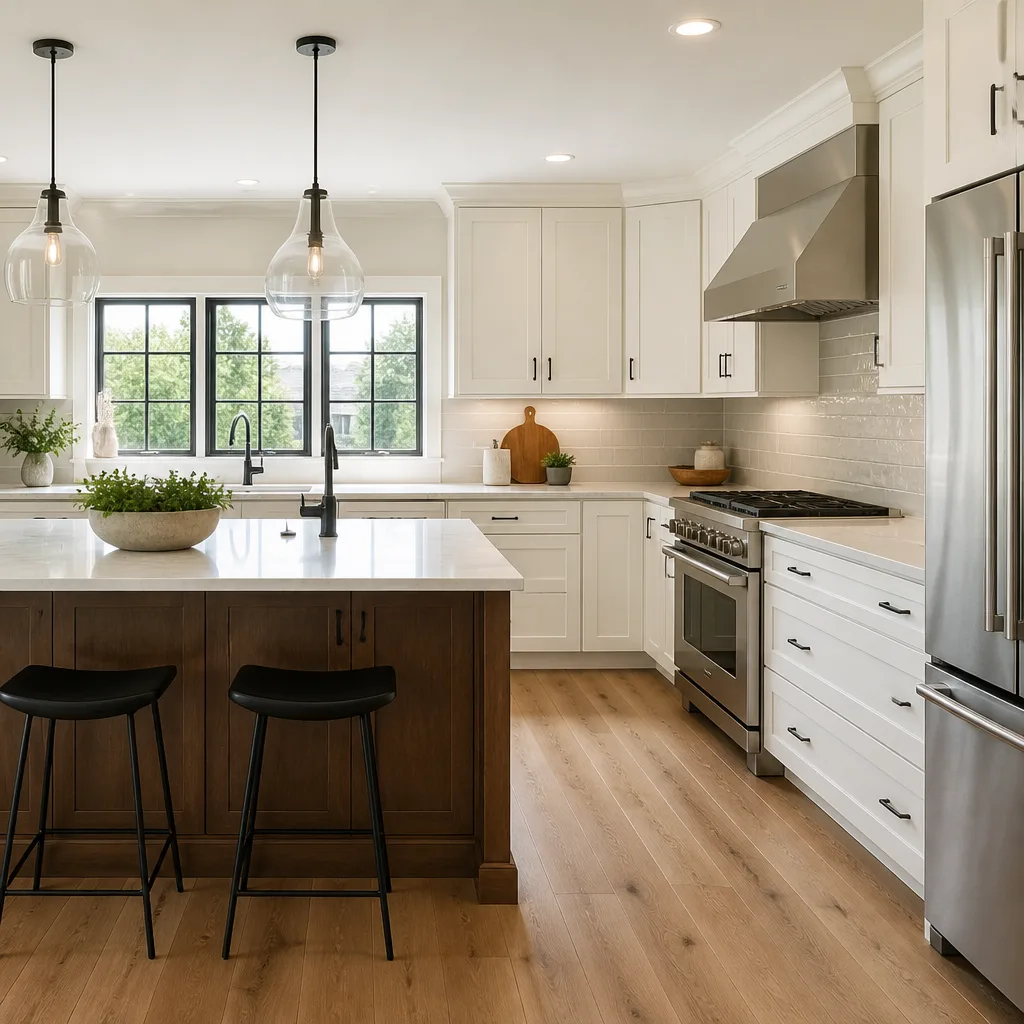 Kitchen remodeling
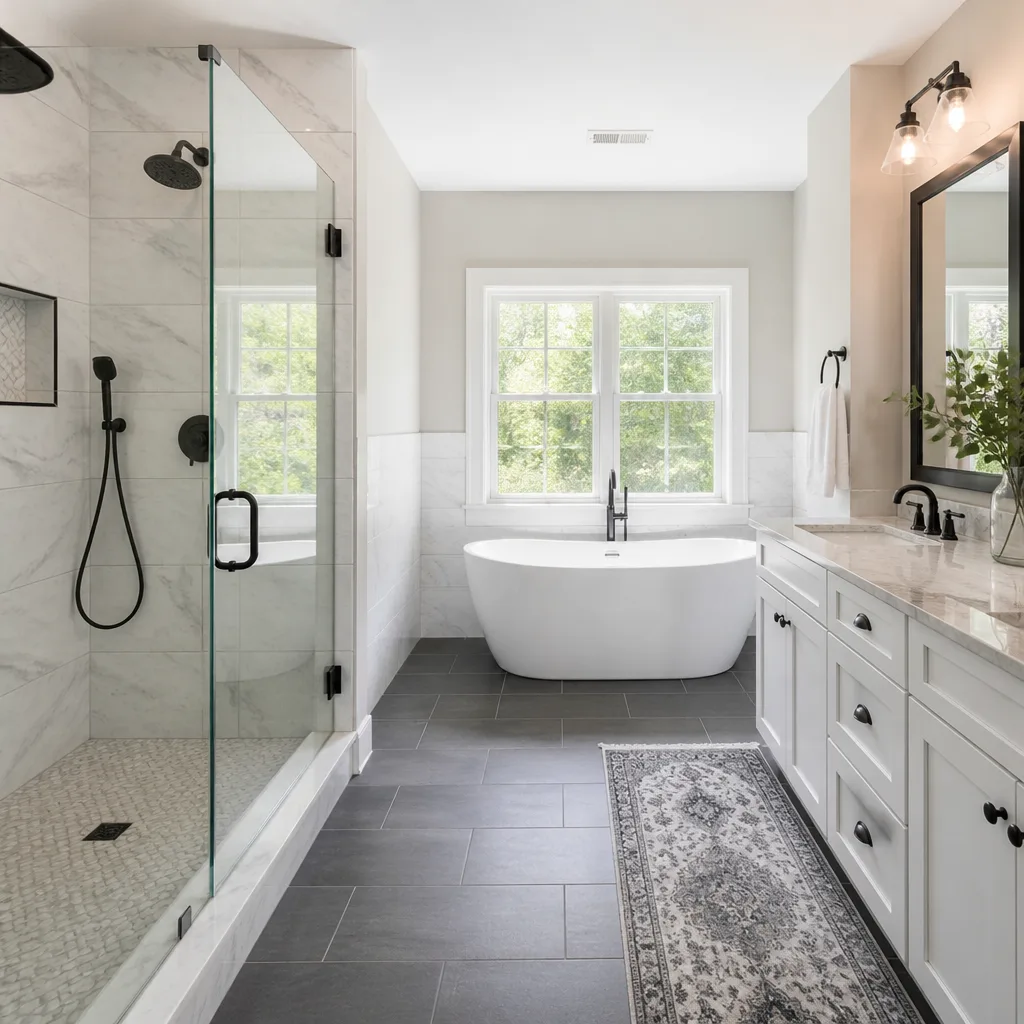 Bathroom remodeling
 Roofing
 Windows & doors
 Driveway & pavers
 Fence
Free written scope consultation - allowances, timeline, and change-order rules on paper before a single trade is scheduled
Construction Cost Breakdown: The Garland Homeowner’s Reference for 2026
If a website tells you a kitchen remodel costs “$150 – $300 per square foot,” that range is so wide it tells you nothing. It ignores Garland’s specific permit fee schedule, the material markup structure at DFW supplier yards, and what it actually costs to coordinate multiple trade inspections in the city’s inspection queue. National averages wash out the details that decide whether your project lands at the bottom or top of a budget. This reference fixes that. You’ll get project-by-project ranges calibrated to Garland’s 2026 market, the hard and soft costs homeowners forget, how material tier shifts installed price, and why bundling projects under one contractor changes the math. We’ll name the brands and the numbers so you can budget like someone who has already done this once.
Quick Answer
In Garland for 2026, most major projects land in these estimated ranges: a full kitchen remodel runs roughly $28,000 – $85,000, a bathroom remodel $9,000 – $28,000, a roof replacement $9,500 – $24,000, a driveway replacement $6,500 – $16,000, and window replacement $550 – $1,400 per opening installed. Garland’s labor market and DFW material freight typically push pricing 8 – 15% above or below national benchmarks depending on project type and material tier. Every number here is an estimate; the written line-item estimate sets the final price.
Styles & brands we work with
- Kitchen remodeling
- Bathroom remodeling
- Home additions & ADU
- Roofing
- Windows & doors
- Driveway & pavers
- Fence
Table of Contents
- Why Garland Costs Differ From National Averages
- Project-by-Project Cost Ranges for Garland in 2026
- Hard Costs vs. Soft Costs: What Homeowners Forget to Budget
- How Material Tier Changes the Installed Price
- How Bundling Projects With One Contractor Changes the Cost Structure
- The Cost Variables That Move Garland Estimates Most
- A Step-by-Step Way to Build a Realistic 2026 Budget
- Common Mistakes to Avoid
- Frequently Asked Questions
Why Garland Costs Differ From National Averages
A national cost average is a blend of markets that share almost nothing with Garland. Freight into DFW supplier yards, the local trades labor supply, and Garland’s own permit and inspection process all shift the number. A figure pulled from a national estimator can miss your actual bid by thousands on a mid-size project.
Three forces do most of the work in Garland:
- Material freight and yard markup. Products that ship into DFW carry freight that varies by manufacturer and by weight. Heavy products like pavers and roofing bundles cost more to move than flat goods, so the same brand can price differently project to project.
- Labor supply and specialization. Trades with fewer available crews price higher. Where one contractor can touch several categories under a single mobilization, coordination labor drops.
- Permit schedule and inspection timing. Garland’s permit fees are set by the city, and inspections run on the city’s calendar. Hold days where a crew stands by waiting for an inspection add cost that a national average never captures.
In practice, the projects that come in above national benchmarks are the ones with complex foundation access, heavy existing-material removal, or HOA rules that limit product choice. The ones that land below are straightforward replacements with clean access and standard materials. When we price a Garland job, we’re pricing those local realities, not a national table. You can see the full breadth of what we handle on the Construction Garland overview.
Project-by-Project Cost Ranges for Garland in 2026
These ranges are typical for Garland in 2026 and assume a mid-range material tier unless noted. They are estimates only. Treated as a starting point, they let you compare bids honestly and spot a number that’s too good or too high.
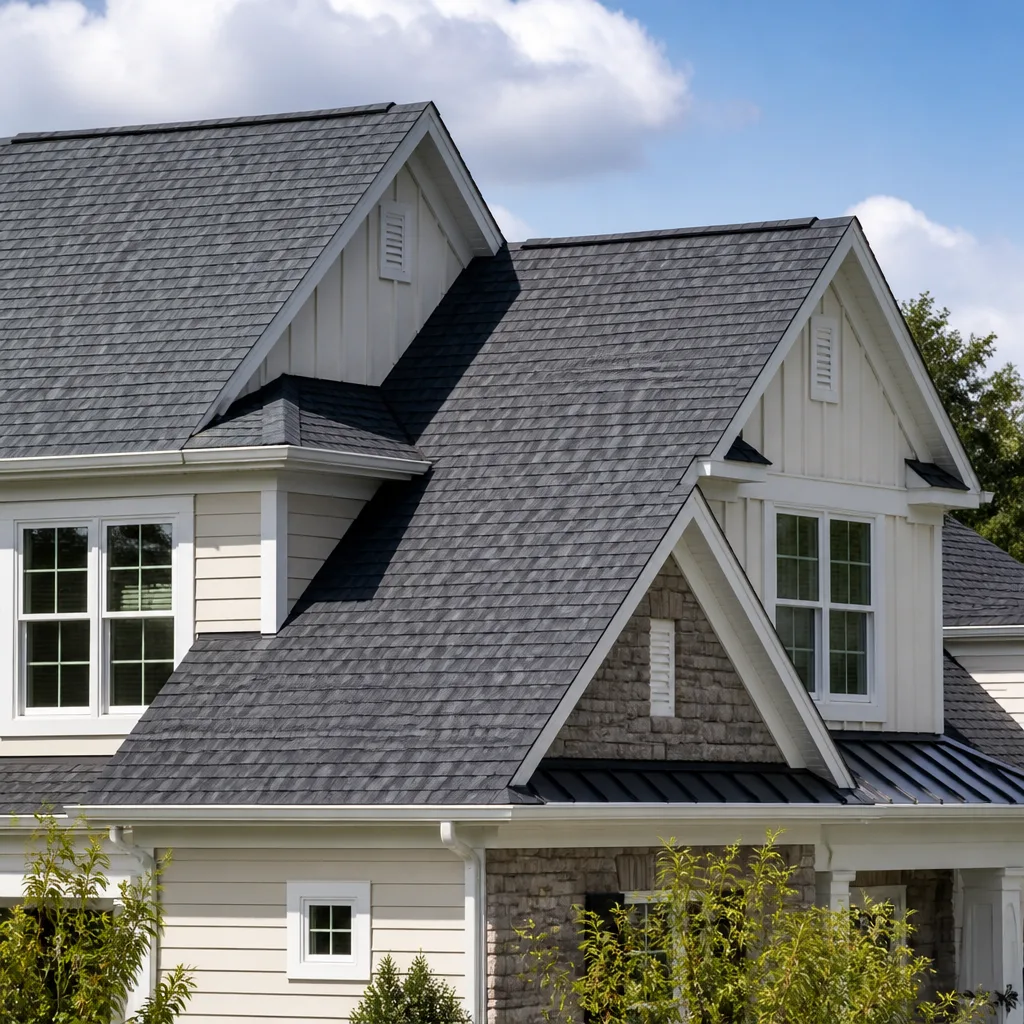
Roofing
- Asphalt shingle replacement: $9,500 – $24,000 for a typical Garland home, often quoted $450 – $750 per square installed depending on pitch, layers removed, and brand line.
- Brand tier matters: GAF, CertainTeed, Owens Corning, IKO, Atlas, and Tamko all make entry, mid, and premium lines. The jump from a builder-grade shingle to a premium architectural shingle commonly adds 15 – 30% to the material portion.
- Decking repair discovered mid-job: $1,200 – $4,500 when rotted sheathing has to be replaced.
Kitchen Remodel
- Full gut remodel: $28,000 – $85,000 depending on footprint, cabinetry line, and countertop choice.
- Cosmetic refresh (cabinet fronts, counters, fixtures, no layout change): $9,000 – $22,000.
- Designer-grade countertops from Cambria, Silestone, or Caesarstone sit at the upper end; cabinetry lines like KraftMaid and Wellborn span mid to premium tiers.
Bathroom Remodel
- Full bathroom remodel: $9,000 – $28,000. A hall bath with a tub-shower combo prices lower; a primary bath with a walk-in shower, tile work, and premium fixtures prices higher.
- Plumbing fixtures from Kohler, Moen, Grohe, Toto, Delta, American Standard, Blanco, and Sterling let you set the spec to the budget.
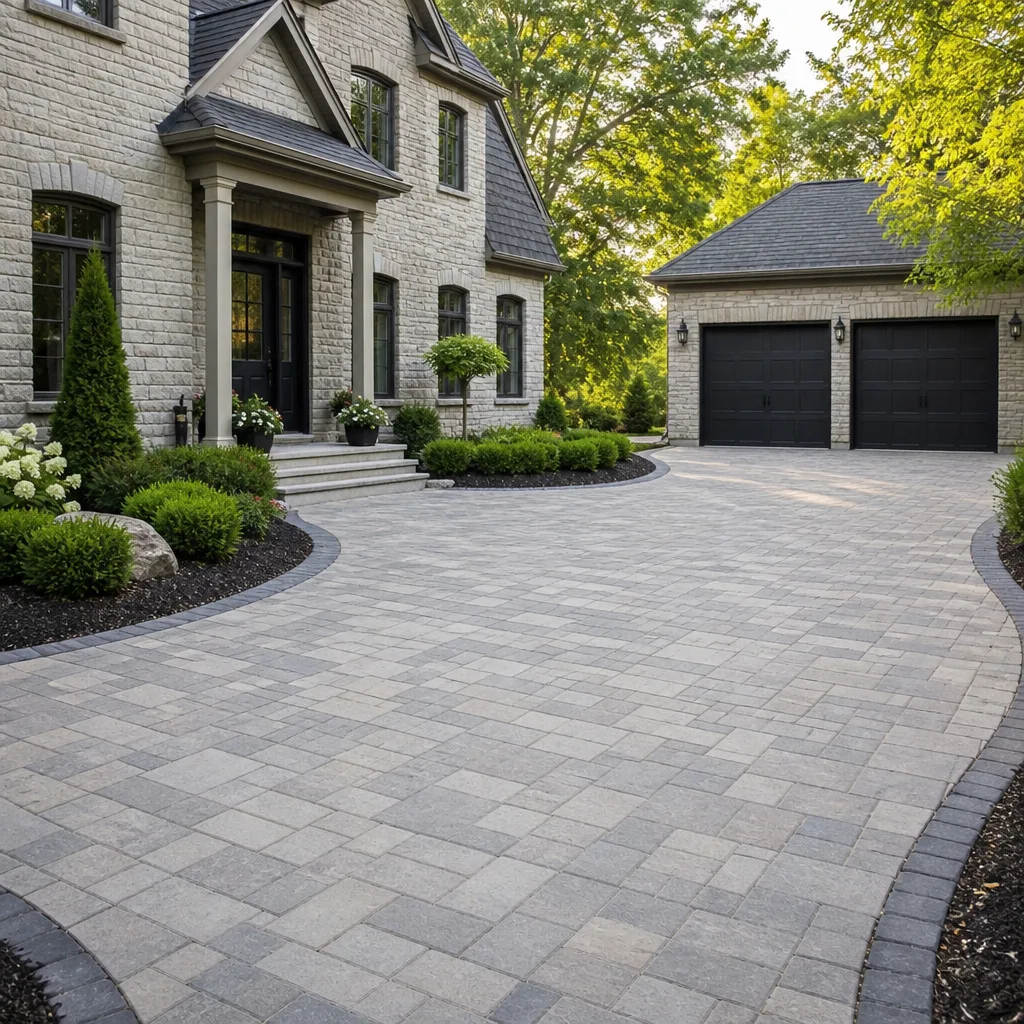
Driveway & Pavers
- Concrete driveway replacement: $6,500 – $16,000, driven by square footage, thickness, and haul-off of the old slab.
- Paver driveway or patio: quoted per square foot and materials from Belgard, Unilock, Techo-Bloc, and Cambridge Pavers shift the installed price meaningfully. Base preparation products from Oldcastle, Quikrete, or Sakrete matter as much as the surface paver.
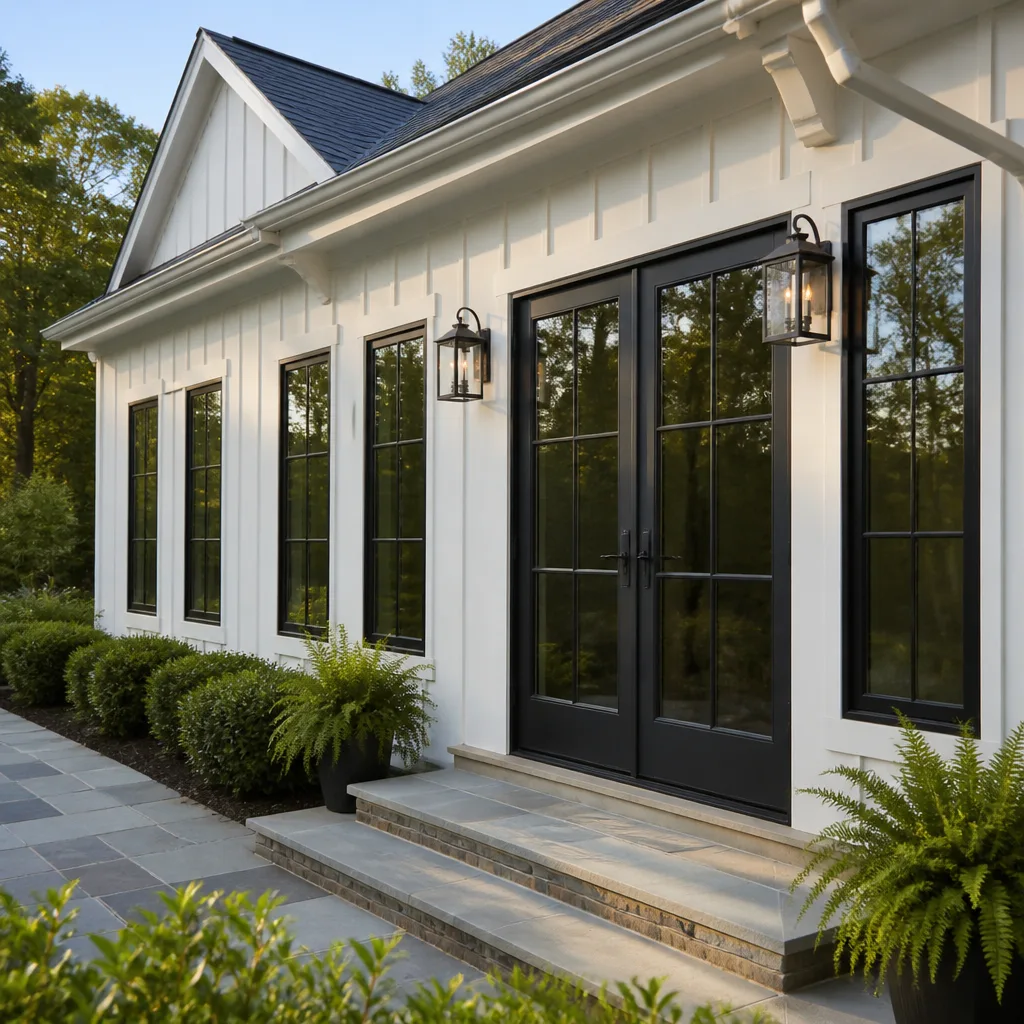
Windows & Doors
- Window replacement: $550 – $1,400 per opening installed, based on frame material, glass package, and whether the opening needs framing repair.
To go deeper on any one of these, our driveway & pavers page and home additions & ADU page break down scope and material choices further.
Hard Costs vs. Soft Costs: What Homeowners Forget to Budget
Hard costs are the materials and labor you can see: shingles, tile, cabinetry, pavers, the crew that installs them. Soft costs are everything else that makes the job legal and clean, and they’re where budgets quietly slip. A realistic Garland budget sets aside 10 – 20% of the hard cost for soft costs, and often more on older homes.
What counts as a soft cost
- Permit fees. Garland charges permit fees by the scope and valuation of the work. Most structural and system changes require a permit; ask your city’s building department for the current fee schedule for your specific scope.
- Inspection hold days. When an inspection has to happen before the next phase, a crew may be on standby. That standby time is real labor cost even though nothing visible gets built that day.
- Temporary protection. Floor coverings, dust barriers, and site protection during an interior remodel add a modest but non-zero line.
- Haul-off and disposal. Debris removal for an old roof, a torn-out driveway, or a gutted kitchen carries dumpster and landfill costs.
- Design and planning. Layout drawings, material selections, and coordination time for a larger project.
How to keep soft costs predictable
- Ask for a written line-item estimate that separates hard costs, permit fees, and disposal.
- Confirm who pulls the permit and who schedules inspections.
- Budget a contingency of at least 10% for what’s found once walls or decking come open.
- Lock material selections early so substitutions don’t trigger re-pricing.
A written line-item quote, fixed pricing with no change orders, and a workmanship warranty are what make soft costs legible instead of surprising. We recommend you insist on all three from any contractor you hire in Garland.
How Material Tier Changes the Installed Price
The single biggest lever you control is material tier. The same project shape can price 30 – 60% apart depending on the line you choose. Naming the brand and the tier is how you make a bid comparable, because “shingle replacement” and “shingle replacement with a GAF premium architectural line” are not the same number.
Builder, mid-range, and premium
- Builder-grade: the entry products a production builder uses. Lowest material cost, shortest warranty terms.
- Mid-range: the sweet spot for most Garland homeowners, balancing durability and design with cost.
- Premium: the top lines from named manufacturers. Longer warranties, better performance specs, and the highest installed cost.
Installed cost by category
- Roofing: comparing entry to premium shingles across CertainTeed, GAF, and Owens Corning, the material portion commonly moves 15 – 30%, and installed cost per square follows it.
- Countertops: laminate to quartz from Cambria, Silestone, or Caesarstone is one of the largest single-line swings in a kitchen, and quartz tier changes price as much as the material type.
- Cabinetry: KraftMaid and Wellborn both span mid to premium lines; door style, finish, and construction method move price within one brand.
- Pavers: Cambridge Pavers and Techo-Bloc premium lines cost more upfront but typically outlast cheaper surfaces over time.
The point isn’t to sell you the top line. It’s that “you choose the material; we bring the expertise” means the tier decision is yours, and the estimate should name the product so the price is honest. For windows and doors, our fence installation and window guidance can help you compare lines side by side.
How Bundling Projects With One Contractor Changes the Cost Structure
Bundling projects under one accountable contractor lowers the total in ways that aren’t obvious line by line. Instead of paying for repeated mobilizations, separate permits, and multiple coordination layers, you consolidate them. This is where the “one contractor, every project” advantage shows up in the budget, from the driveway to the roofline.
Where the savings come from
- Shared mobilization. A crew already on site for a kitchen remodel can handle an adjacent bathroom or window project without a separate trip and setup.
- A single permit where the scope allows. Combining related work into one permitted scope can reduce separate filing and inspection overhead.
- Negotiated material volume. Larger combined orders from the same 50+ manufacturer brands can improve the material pricing you get.
- One point of accountability. Fewer handoffs means fewer change-order disputes and less downtime between trades.
When bundling makes the most sense
- A roof replacement paired with window replacement, since both touch the exterior envelope and can share a scoping pass.
- A kitchen and bathroom remodel done as one interior scope with shared inspection windows.
- An exterior refresh combining driveway, pavers, fencing, and siding in one coordinated schedule.
- A home addition or ADU paired with associated kitchen or bath updates once the new space exists.
For homeowners considering an addition or accessory dwelling unit, bundling is especially valuable because the new structure usually requires interior finish work anyway. Our home additions & ADU scope covers both site-built and prefab pathways, so you can weigh a full custom build against faster-to-deploy prefab structures from brands like Abodu and Boxabl within the same estimate conversation.
The Cost Variables That Move Garland Estimates Most
Two bids for the “same” job can differ by thousands once the hidden variables enter. In our experience pricing Garland work, three variables move estimates the most, and knowing them helps you read a quote and ask better questions.
1. Foundation access complexity
Slab foundations with tight side-yard access slow down material staging and equipment movement. When a driveway or addition is hemmed in by fences, trees, or neighboring structures, labor time rises. A quote that didn’t walk the access is a quote that will grow.
2. Existing material removal conditions
How much has to come out before the new goes in changes everything. Multiple roof layers, a cracked driveway slab, or a kitchen with old plumbing surprises all add removal and disposal time. Straightforward single-layer tear-off prices very differently from a multi-layer removal with decking repair.
3. HOA-required material specifications
Many Garland neighborhoods with HOAs specify materials or colors for roofs, fencing, and exterior surfaces. When an HOA limits your product options, you may be barred from a cheaper substitution, which raises the floor on cost. Confirm HOA rules before finalizing any material selection.
Variables that don’t move the price
- Urgent or priority scheduling does not add a surcharge. The price is set per job by the written estimate, and the same written estimate governs same-day work as planned work.
- Season of the year is not a pricing multiplier in our estimates.
A Step-by-Step Way to Build a Realistic 2026 Budget
A budget that survives contact with reality is one that’s built in order, from scope down to contingency. Here’s a sequence that keeps Garland projects on track:
- Define scope precisely. List every room and exterior surface involved. Vague scope is where budgets fail.
- Choose material tiers deliberately. Name the brand and line for each major component so the estimate reflects the real product.
- Get a written line-item estimate. Separate hard costs, permit fees, disposal, and any contingency. Reject verbal ballparks.
- Confirm who pulls permits and schedules inspections. Ask whether permits are pulled and inspections passed, and get it in writing.
- Set a 10 – 20% contingency for discovery costs, especially on older Garland homes.
- Decide on bundling. Group related projects to share mobilization and material ordering.
- Verify fixed pricing. Ask directly whether the price can change once work starts, and get a fixed-pricing commitment with no change orders unless you approve a scope change.
This is not a generic checklist. It is the sequence we walk through with Garland homeowners so the number on the estimate matches the number on the final invoice. Free estimates, written line-item quotes, and a workmanship warranty are the standards that make it hold.
Common Mistakes to Avoid
- Budgeting from a national average only. A figure pulled from a national estimator ignores Garland’s permit schedule and DFW freight, so it can be thousands off. Use local ranges and a written estimate.
- Forgetting soft costs entirely. Permit fees, inspection hold days, and haul-off routinely add 10 – 20%. Leave room for them.
- Choosing material by name only, not by tier. “CertainTeed” and “CertainTeed premium line” are different costs. Name the line so bids are comparable.
- Ignoring HOA rules until late. Garland HOAs can restrict roof, fence, and exterior materials, which can force a pricier substitution. Check rules before you finalize selections.
- Comparing bids that include different scopes. One bid may exclude disposal or decking repair while another includes it. Compare line items, not just totals.
- Skipping the access walk. A quote built without looking at foundation access or tear-off conditions will grow once work starts.
- Doing high-risk work yourself. Electrical panels, gas lines, and structural changes are not DIY territory. A trained, licensed professional handles those safely.
See the difference
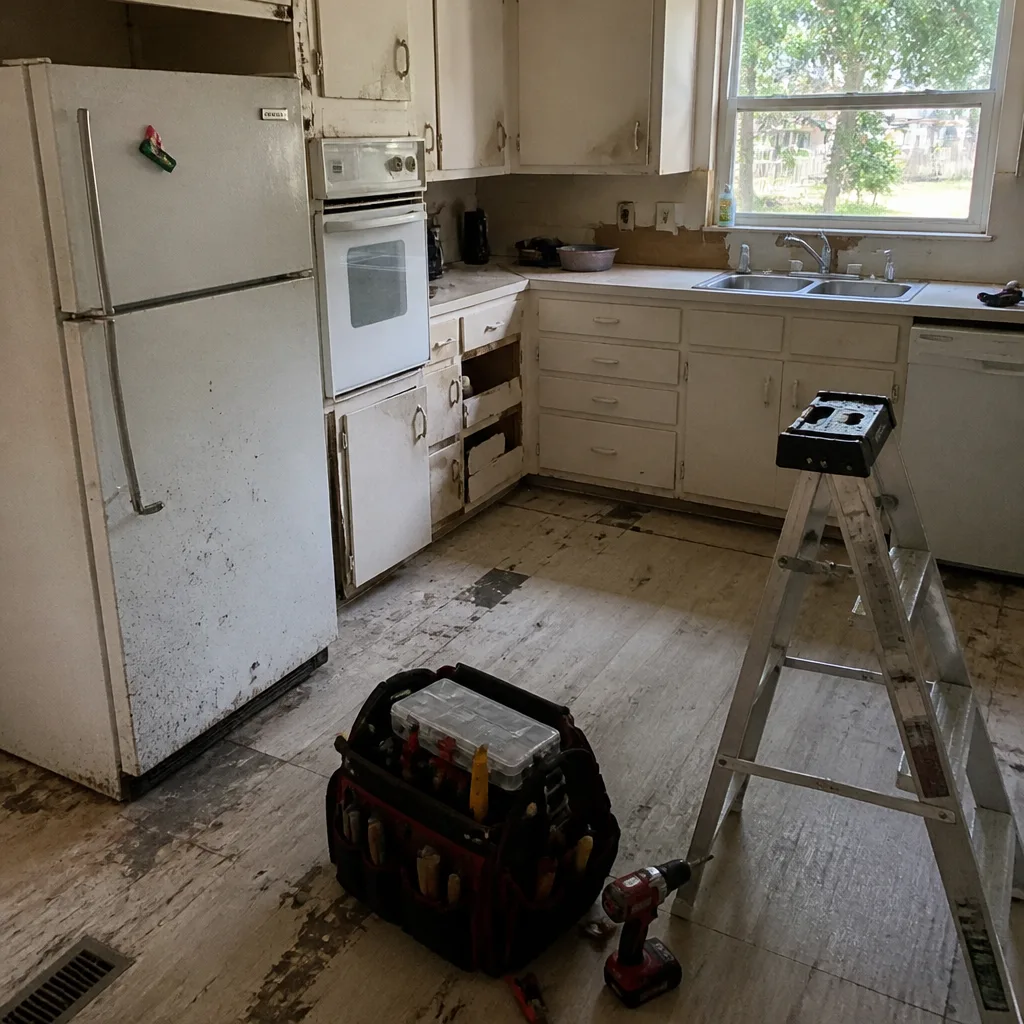 Before
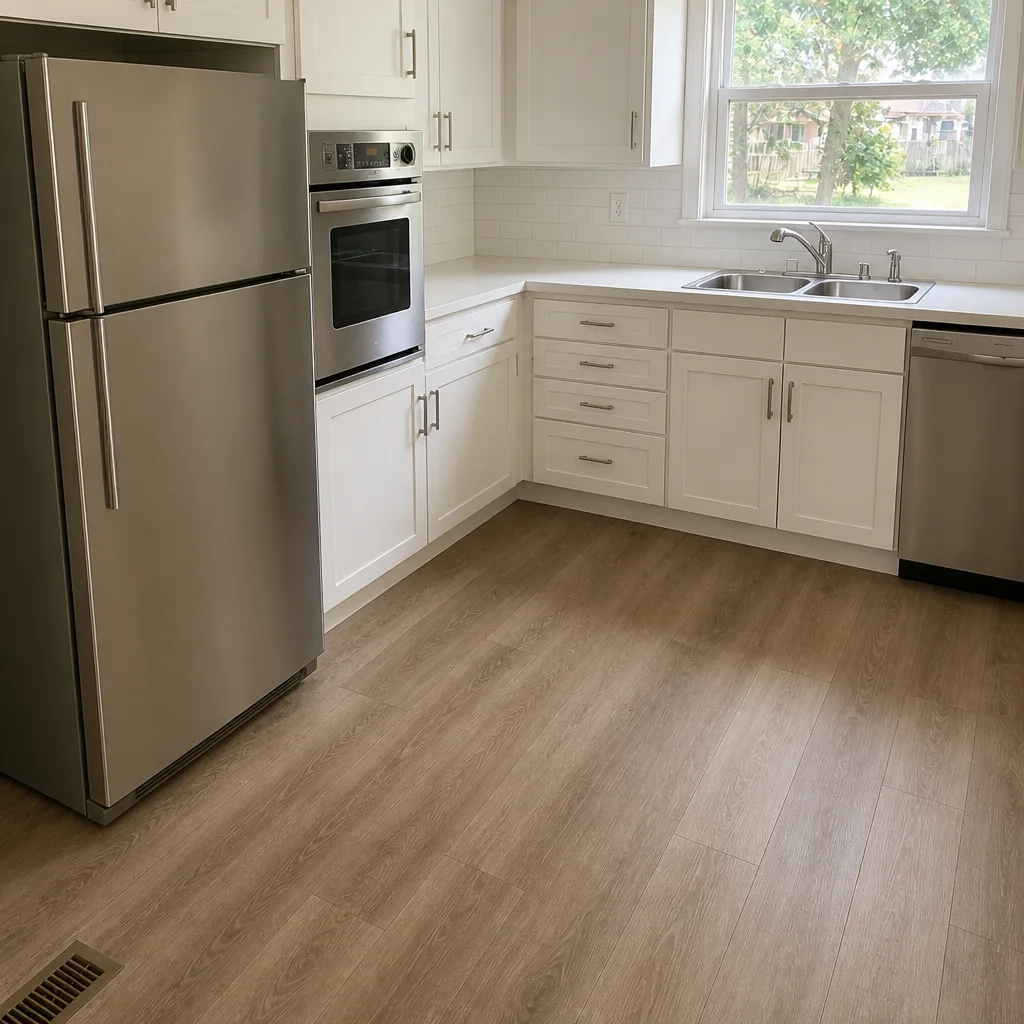 After
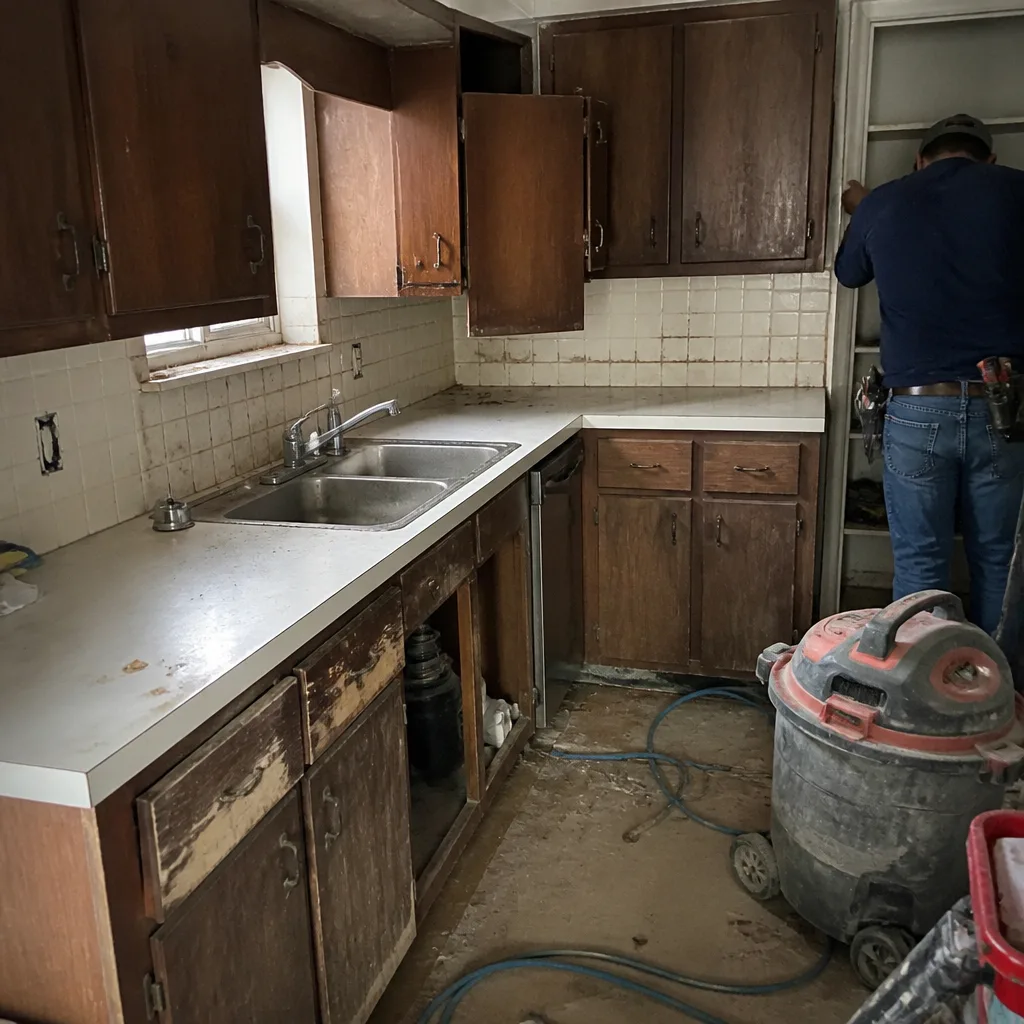 Before
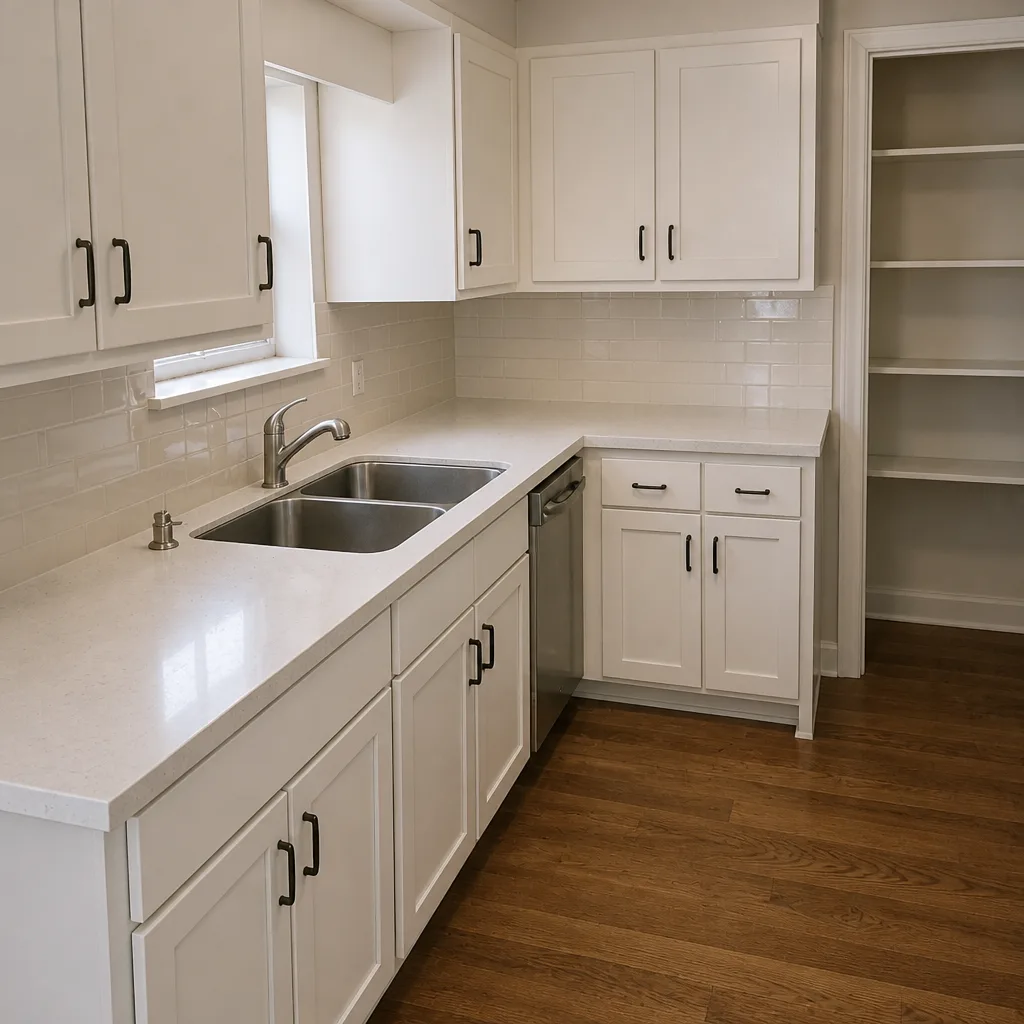 After
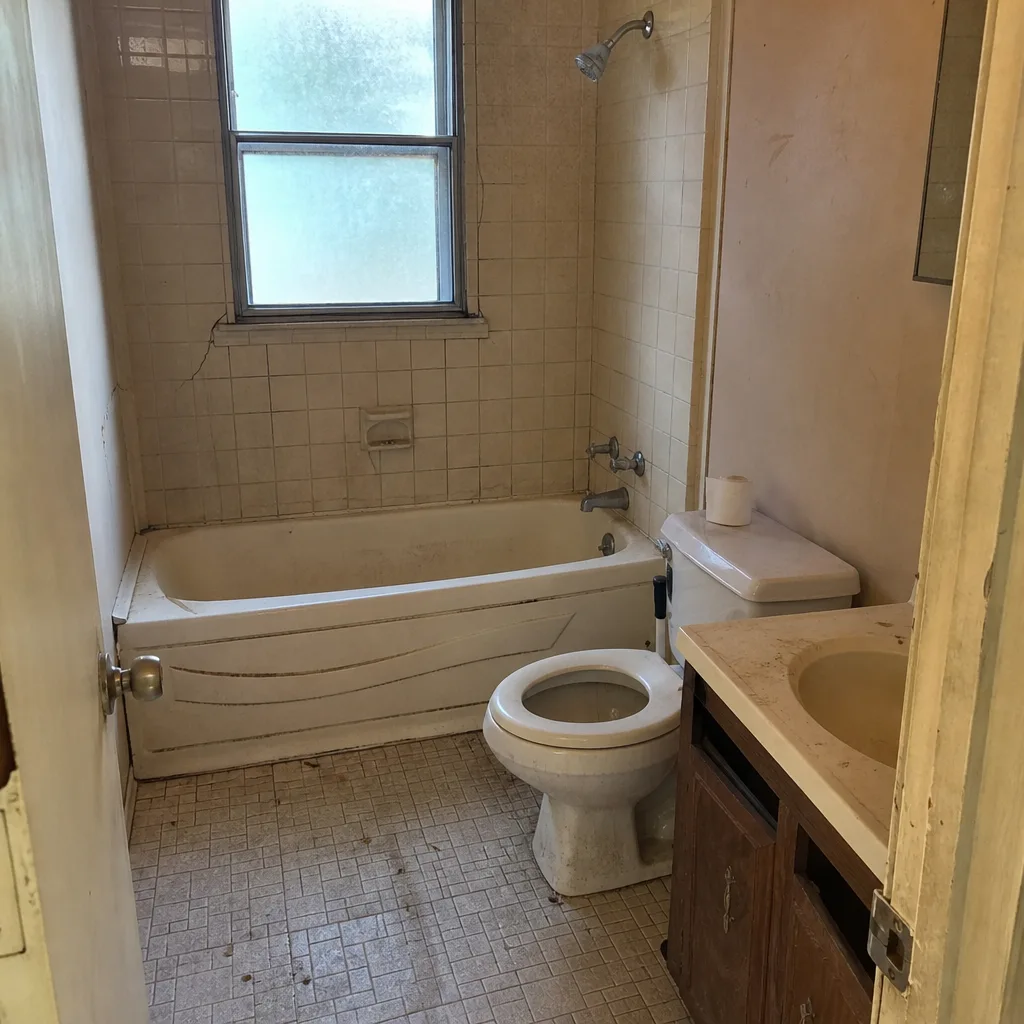 Before
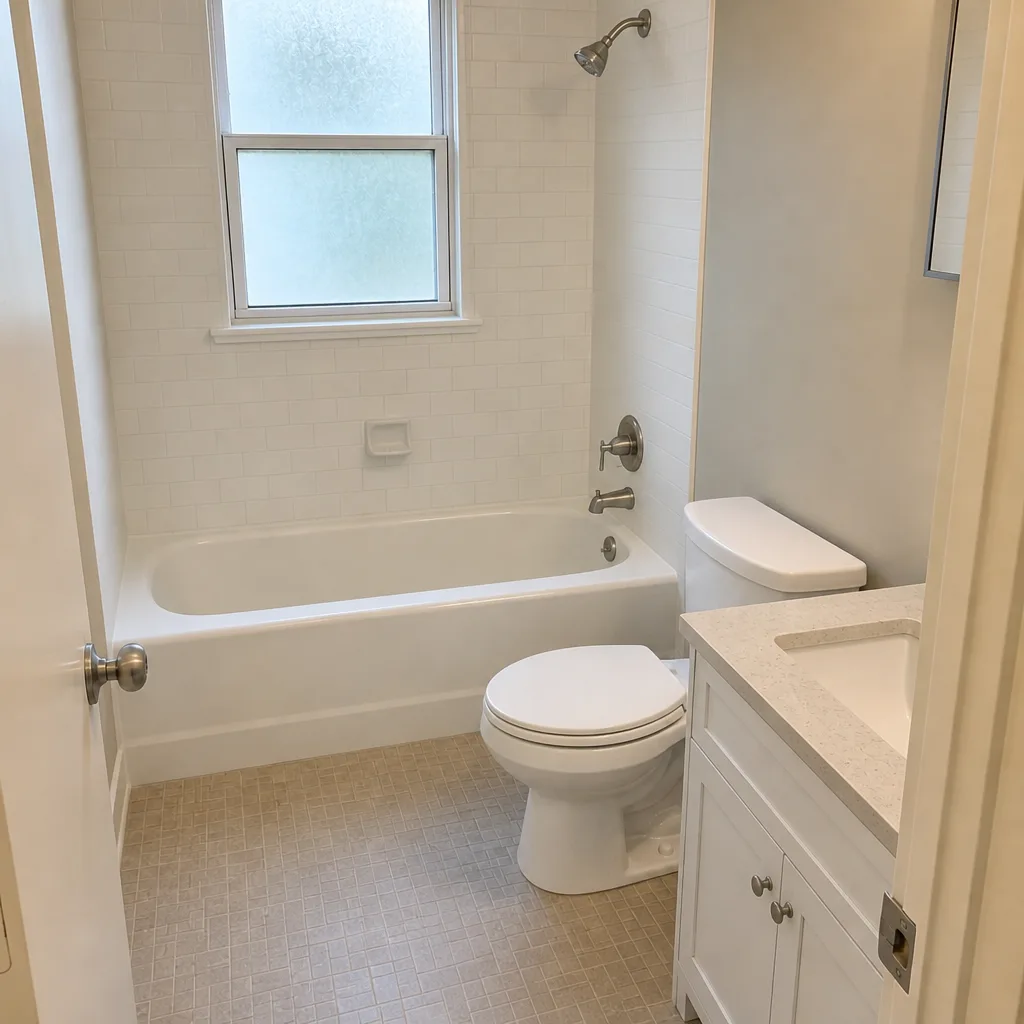 After
When to Call a Professional
Some work is genuinely dangerous or requires a permit and an inspection. Call a qualified professional when your project touches electrical panels or wiring, gas lines, structural framing, a roof at height, or any scope that Garland requires to be permitted. These tasks carry real injury and code-compliance risk, so hands-on how-to isn’t the right path. In those cases the right move is a proper licensed professional and a proper permit, and we’ll tell you plainly when that’s the case. If you want to price and plan any of the seven categories we handle, from Construction Garland projects to single-room remodels, we start with a free estimate. Call (888) 405-7616 and we’ll walk your scope and give you a written line-item quote. Our technicians have up to 10 years of experience, and every estimate is free and fixed per job.
Frequently Asked Questions
A full kitchen remodel in Garland typically runs $28,000 – $85,000, with the range driven by footprint, cabinetry line, and countertop choice. Designer-grade countertops from Cambria, Silestone, or Caesarstone sit at the upper end, while cabinetry from KraftMaid or Wellborn spans the mid to premium tier. Call (888) 405-7616 for an exact quote – estimates are free.
Garland costs differ because of DFW material freight, the local trades labor supply, and Garland’s own permit and inspection schedule. Those three factors push pricing roughly 8 – 15% above or below national benchmarks depending on project type and tier. A written line-item estimate based on your actual scope is the only number that counts. Call (888) 405-7616 for one.
Plan for 10 – 20% of the hard cost in soft costs: permit fees, inspection hold days, temporary protection, and haul-off. On older Garland homes, a higher contingency is wise because discovery costs rise once walls or decking come open. We list soft costs separately in every written estimate, so call (888) 405-7616 to get yours.
Yes, bundling typically reduces the total because related work shares mobilization, may fall under a single permit where the scope allows, and can benefit from negotiated material volume. Working with one accountable contractor also cuts handoff downtime and change-order disputes. Construction Garland handles seven service categories under one roof; call (888) 405-7616 to discuss bundling your projects.
Our written estimate sets a fixed price with no change orders unless you approve a change in scope. The only variables that should ever move your total are the ones we agree on up front, like discovered decking repair or an added fixture. Call (888) 405-7616 to review a fixed line-item quote.
Permitting and inspection are part of the scope we handle on permitted work, and we confirm exactly what’s being filed before work begins. Most structural and system changes in Garland require a permit, so verify the requirement with the city’s building department for your specific scope. Call (888) 405-7616 to plan your permitted project.
The Bottom Line
The national average is a starting reference, not a budget. Real Garland numbers depend on DFW material freight, the local labor market, city permit and inspection timing, and the tier of brand you choose. Use the ranges in this guide to compare bids honestly, budget 10 – 20% for soft costs, name the brand and line so estimates are comparable, and bundle related work to share mobilization. Free estimates, written line-item quotes, fixed pricing with no change orders, and a workmanship warranty are the standards that keep a project on budget. Get the written estimate before you commit.
Ready to price your project? Call (888) 405-7616 for a free estimate on roofing, kitchen and bath remodeling, windows and doors, fencing, driveways and pavers, or a home addition and ADU. We answer 24/7. Fast dispatch, 7am-7pm, Sunday through Friday. One contractor, every project, from driveway to roofline.
Written by the team at Construction Garland.