
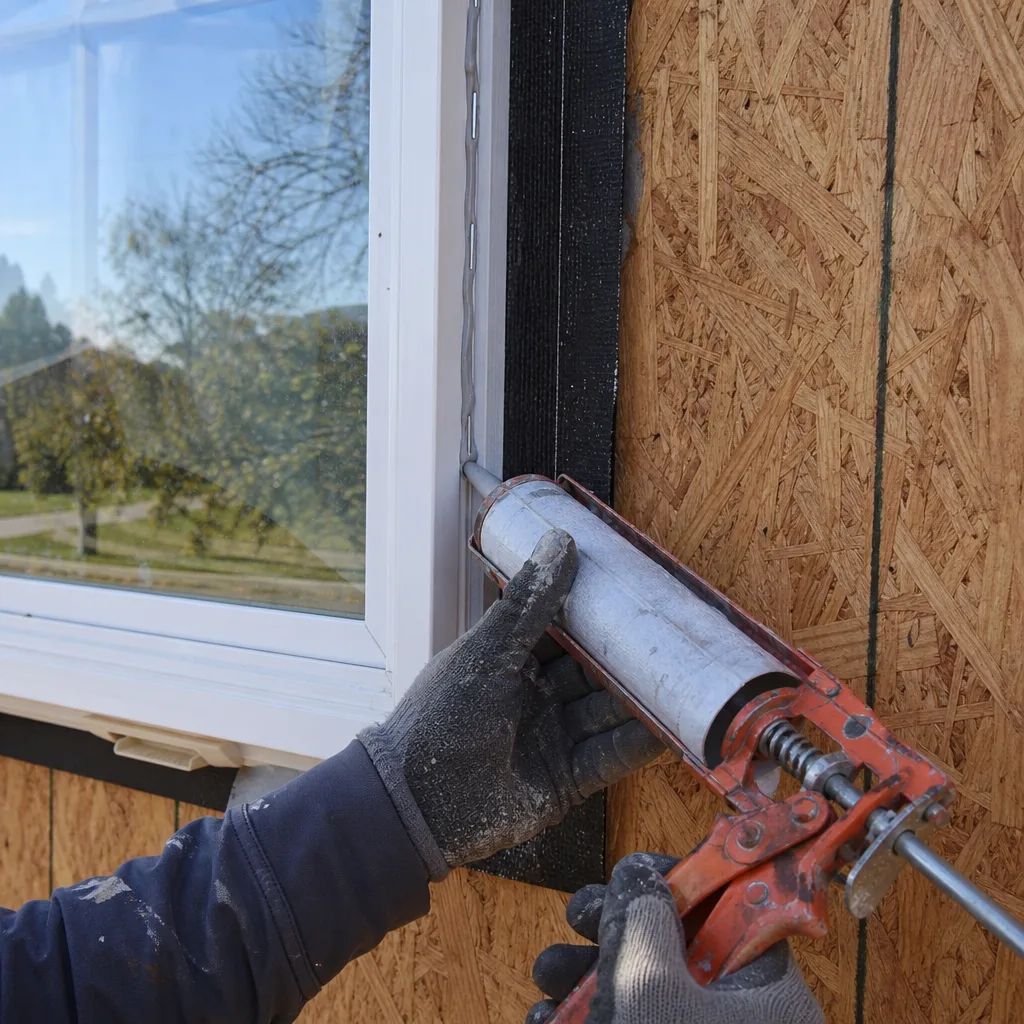
Last updated November 16, 2026
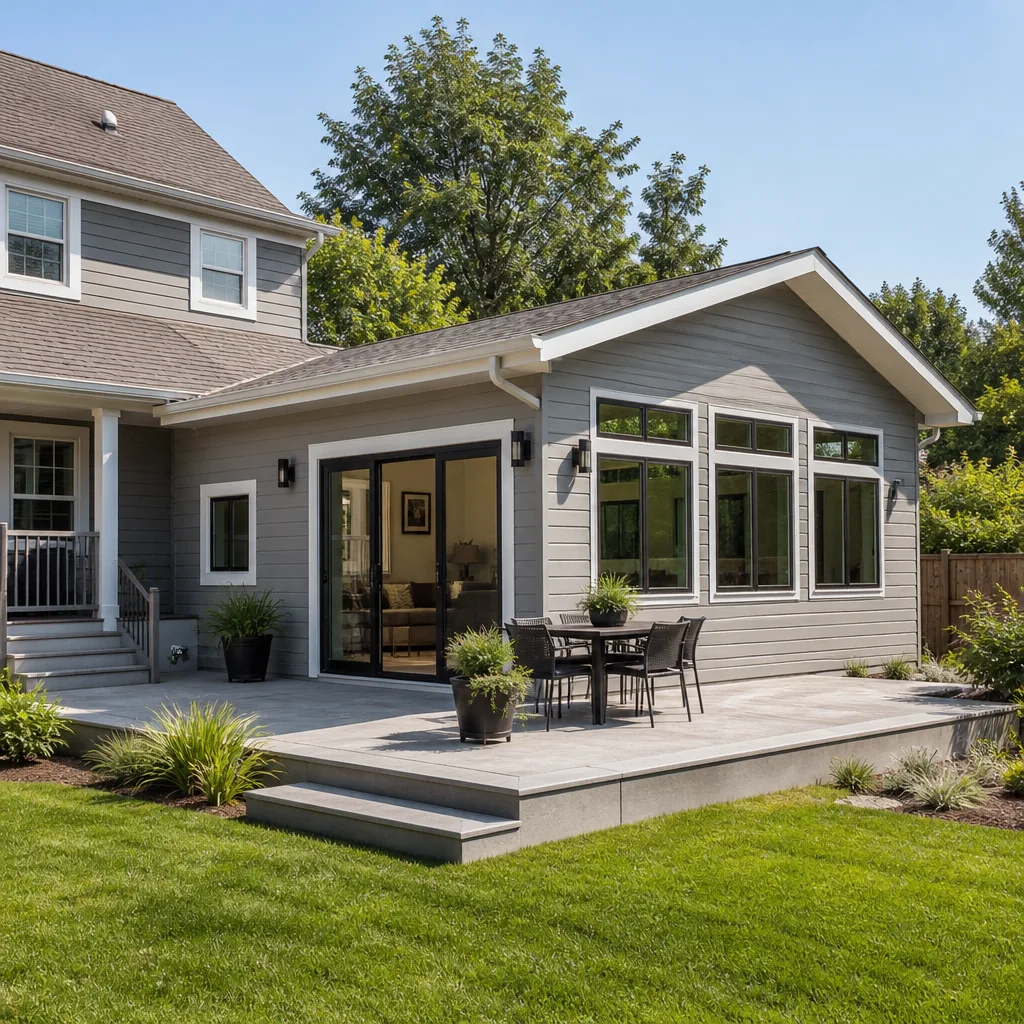 Home additions & ADU
 Kitchen remodeling
 Bathroom remodeling
 Roofing
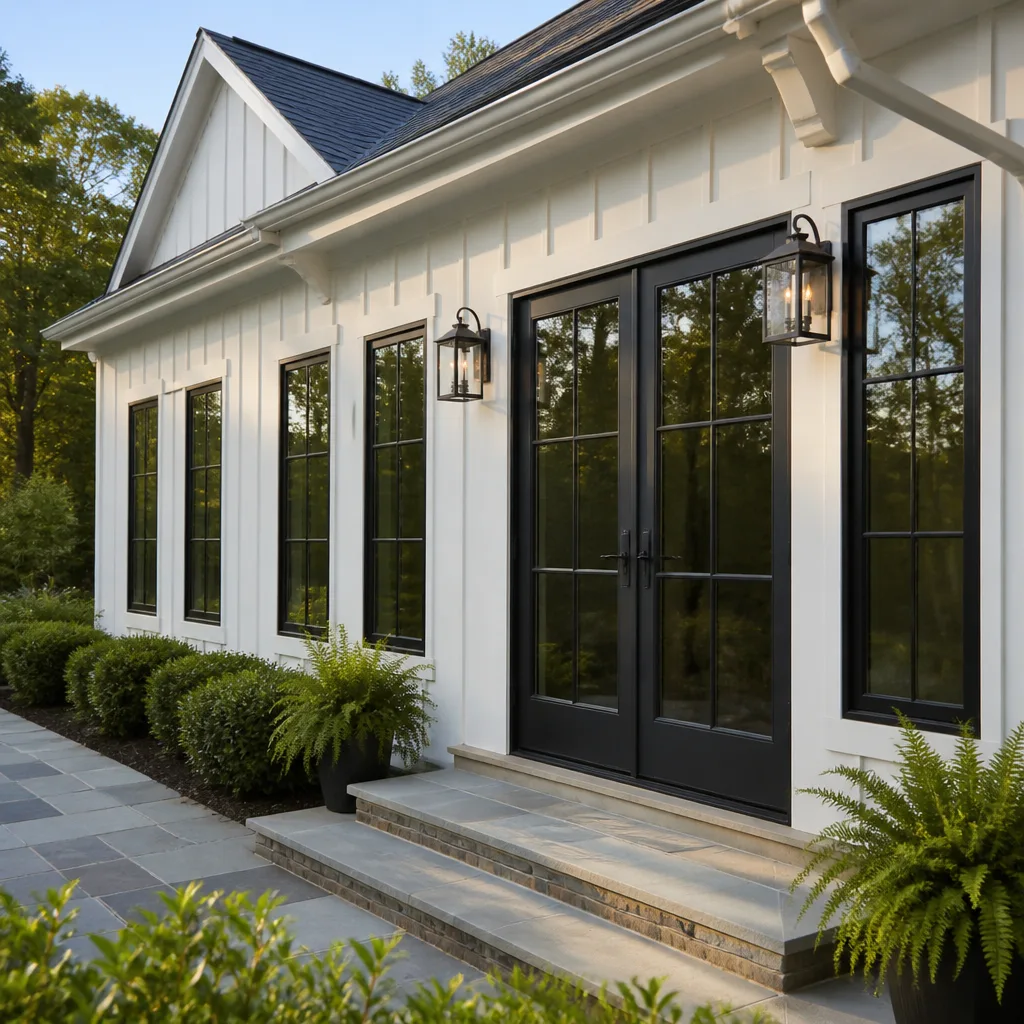 Windows & doors
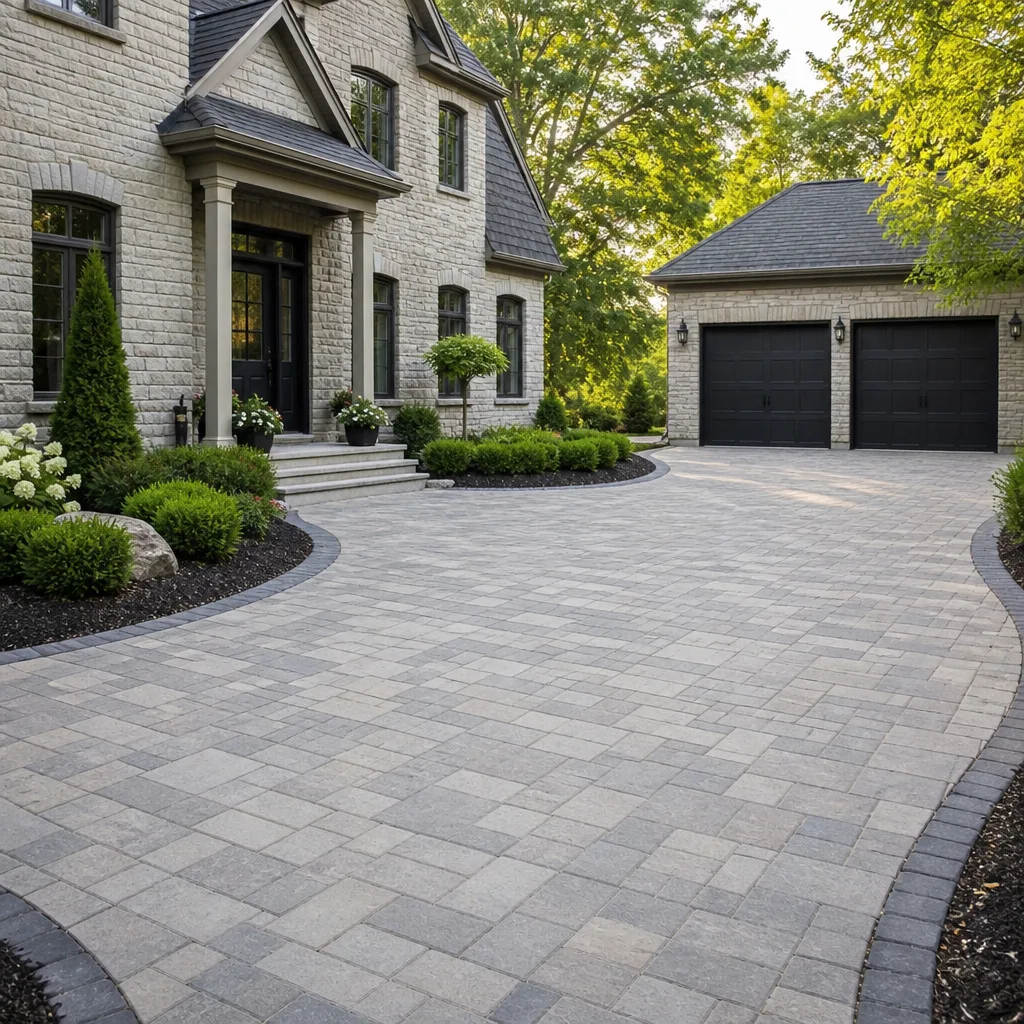 Driveway & pavers
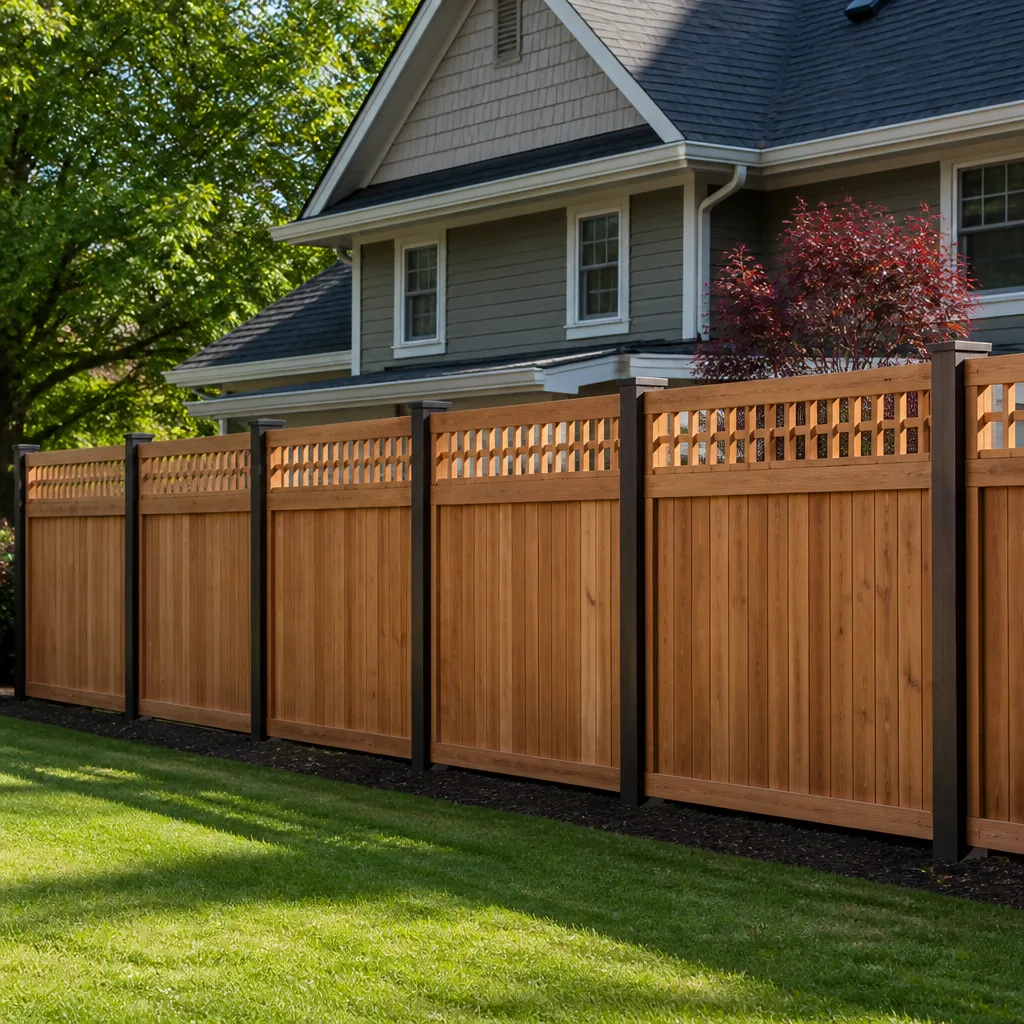 Fence
Free written scope consultation - allowances, timeline, and change-order rules on paper before a single trade is scheduled
Construction Emergency Preparedness Guide for Garland Homes
Most homeowners treat severe weather preparation as a roofing question. Shingle damage, missing tabs, a tarp over the ridge. That’s part of it, but the costliest problems after a Garland storm rarely start at the roof. They start with what happens in the first two days below it: water tracking into a wall cavity, a slab that shifts under saturated clay soil, a fence that lets the dog out and a garage door that won’t close. This guide covers the full-home response, from driveway to roofline, so you know exactly what to do before, during, and after the next big event in Garland.
Quick Answer
Construction emergency preparedness for a Garland home means having three things ready before a storm: a documented baseline of your property, a short list of verified contractors you’ve already contacted, and a clear checklist for the first 48 hours after damage occurs. The goal is to protect the structure and your insurance claim at the same time, then hand permanent repairs to a single accountable contractor instead of juggling specialty trades under pressure.
Styles & brands we work with
- Kitchen remodeling
- Bathroom remodeling
- Home additions & ADU
- Roofing
- Windows & doors
- Driveway & pavers
- Fence
Table of Contents
- Why the First 48 Hours After a Garland Storm Decide the Outcome
- The 48-Hour Emergency Response Checklist
- Emergency Temporary Repairs vs. Permitted Permanent Repairs
- Foundation Emergency Response: What to Do and What Not to Do
- Pre-Event Preparedness: What to Document Now
- How to Vet a Contractor Under Pressure in Under 10 Minutes
- Why Full-Scope Matters When Damage Spans the Whole Property
- Common Mistakes to Avoid
Why the First 48 Hours After a Garland Storm Decide the Outcome
Garland sits in a stretch of North Texas where hail and straight-line wind events are common in spring, and heavy rain can dump inches in a short window on soil that doesn’t drain fast. That combination drives nearly every construction emergency we see here. The damage itself is often survivable. What turns it into a five-figure problem is water moving through an unsealed opening for two days while the homeowner waits for a callback.
Here’s the counterintuitive part: after a major hail event in Garland, roofing contractors are booked within 72 hours. The homeowners who get prompt, competent service aren’t the ones who called first after the storm. They’re the ones who had already called months earlier, gotten an estimate, and knew who they were going to use. Everyone else is choosing between storm chasers who appeared overnight and a six-week wait while interior damage accumulates.
The 48-hour window matters for three reasons:
- Water intrusion compounds. A small roof breach that lets in a trickle will saturate insulation, drywall, and framing, and the remediation scope grows every day it stays wet.
- Insurance documentation gets harder. Adjusters want to see the property as it was immediately after the event. Once repairs start, that evidence is gone unless you captured it first.
- Emergency temporary work is ordering. Tarping, board-up, and water extraction are steps you take within a day. Permanent repairs are a separate, sequenced project. Mixing them without paperwork creates claim problems.
Preparedness in Garland isn’t about predicting the storm. It’s about shortening the gap between damage and controlled response. That’s the whole game.
The 48-Hour Emergency Response Checklist
When a severe weather event hits your Garland home, work through this sequence. It’s written for the hours after the storm, not the weeks after.
- Make it safe first. Don’t walk under sagging drywall or near downed lines. If you smell gas or see sparking, leave and call the utility. Photograph from a safe distance.
- Document everything before touching anything. Shoot wide shots of each elevation, then close-ups. Capture the date and time. Photograph interior water staining, wet insulation, and any damaged contents. Keep a running written log of what you observed and when.
- Stop water from spreading. Move furniture and rugs off wet flooring. If you can safely reach a ceiling leak, place a bucket and puncture a small drain hole in sagging drywall to relieve trapped water. Never stand on a wet roof to tarp it yourself.
- Call for emergency temporary protection. Tarping a compromised roof deck, boarding a broken window, and extracting standing water are all temporary measures that preserve the structure. Ask the contractor to document the work with photos and a written scope.
- Notify your insurer. Open the claim, tell them what you’ve observed, and ask what documentation they need. Keep every receipt for emergency protective measures.
- Hold off on permanent repairs until the claim is scoped. Temporary work protects the home. Permanent work is a separate decision that should follow an adjuster’s visit or written scope agreement.
- Photograph the temporary repairs too. Before, during, and after. This closes the loop on what was done, when, and by whom.
That documentation package is what preserves claim integrity. Insurers respond to organization. A homeowner with clear photos, a written log, and a contractor’s itemized emergency invoice gets a smoother settlement than one who calls after the repairs are already done.
Emergency Temporary Repairs vs. Permitted Permanent Repairs
This is the distinction that trips up more Garland homeowners than any other, and it’s worth slowing down for.
Emergency temporary repairs are the measures that stabilize the property and prevent further damage. They include tarping a roof, boarding up a broken window or door, extracting standing water, and debris removal. In Garland, these are typically permissible immediately and are usually covered as “protective measures” by a homeowner’s policy. They are not meant to be a final fix.
Permanent repairs are the structural replacement and reconstruction work. Roofing, siding, windows, fencing, driveways, and interior rebuilds all fall here. Most municipalities require permits for this kind of work, so ask your city’s building department what applies to your project before the work starts. These repairs are usually subject to inspection, and they should be sequenced and documented separately from the emergency protective measures.
Mixing the two without documentation is where claim complications begin. If a contractor tarps your roof and then immediately starts installing new shingles before the insurer has scoped the damage, the adjuster can’t tell what failed in the storm versus what was replaced. That ambiguity slows everything down.
Why a single contractor matters here: when a Garland home needs a roof patch, a water-damaged bathroom rebuild, a new fence, and a driveway repair after a hailstorm, coordinating four specialty companies means four schedules, four scopes, and four sets of paperwork that may or may not match the insurance file. A contractor who handles roofing, windows, fencing, and hardscape under one scope gives the adjuster one clean, coherent document. That’s a real advantage on a claim.
For the roofing side specifically, we work with GAF, CertainTeed, Owens Corning, IKO, Atlas, and Tamko systems. That range lets the material choice follow the homeowner’s budget and the adjuster’s scope instead of being forced by what a single supplier carries.
Foundation Emergency Response: What to Do and What Not to Do
Garland homes often sit on expansive clay soil, and expansive clay reacts dramatically to water. During a long dry stretch it shrinks. During a heavy rain event it swells and heaves. That cycle is the most common driver of slab movement and hairline cracks in the area, and it’s what produces the classic warning signs after big rain: interior doors that suddenly bind, cracks that open along the ceiling or drywall corners, and a floor that feels slightly uneven underfoot.
What to do when you notice these signs after a storm:
- Photograph and date every new crack and note which doors are sticking. This becomes your baseline for comparison.
- Check grading and gutters. Make sure water is draining away from the slab rather than pooling against the foundation. Downspouts that discharge right at the corners are a common culprit.
- Watch for a day or two before concluding the issue is structural. Some door binding resolves as soil moisture equalizes.
- Call for a professional evaluation if a crack is wider than a quarter inch, a door no longer latches at all, or the slab has visibly separated from the wall.
What not to do:
- Don’t sign a same-day foundation repair contract from a company that appeared right after the storm. Foundation work is a diagnostic and engineered decision, not an emergency purchase.
- Don’t drill or patch cracks yourself hoping to hide them. That destroys evidence that an inspector or adjuster may need.
- Don’t ignore interior water damage while focused on the slab. A plumbing leak can mimic foundation symptoms; professional evaluation should rule that out first.
We want to be clear on the safety front: visible structural movement, a cracked slab, or a wall that has separated is not a homeowner DIY situation. Get a trained professional to assess it before you touch anything. The cost of an evaluation is trivial compared to the cost of an incorrect repair.
Pre-Event Preparedness: What to Document Now
The most useful work you can do is done in clear weather. These are the records Garland homeowners should have ready before storm season, and they cost nothing but an afternoon.
- A photo and video walkthrough of every room and exterior elevation. Show the condition of the roof from the ground, the fence line, the driveway surface, and every window and door. Shoot in good light and label the files by room.
- Maintenance records. Keep receipts for past roof work, HVAC service, plumbing repairs, and any renovation. Insurers and adjusters use these to establish what was pre-existing versus storm-caused.
- Prior contractor invoices and written estimates. Even a quote you didn’t act on becomes useful evidence of the property’s condition before the event.
- A written home inventory. List major appliances, fixtures, and furnishings. Updates to kitchen or bathroom fixtures are worth noting because they affect scope after damage.
- Your insurance policy summary. Know your deductible and what your policy covers for protective measures, roofing, and slab issues. This determines what decisions you’ll be making under pressure.
Store everything in the cloud so it survives physical damage to the home. A folder on your phone works.
For homeowners planning upgrades anyway, this is where long-range vision pays off. A bathroom or kitchen remodel done ahead of the storm means the finishes and fixtures are already documented. If a plumbing failure or roof leak damages the space later, you know exactly what was there. We work with designer-grade countertop brands like Cambria, Caesarstone, and Silestone and professional cabinetry lines like KraftMaid and Wellborn, and every one of those specs goes into your record.
How to Vet a Contractor Under Pressure in Under 10 Minutes
After a severe weather event, unlicensed operators appear in neighborhoods almost immediately. They target homeowners under stress with same-day offers and pressure pricing. You can filter them out quickly.
- Verify licensing and insurance in the state’s database. Any legitimate contractor should be able to give you their registration information before you sign anything. Ten minutes of verification eliminates most of the risk.
- Ask for a written, itemized scope before any money changes hands. This is the single most telling test. Storm chasers want a handshake and a check. A real contractor provides a line-item written estimate that itemizes materials and labor, and separates emergency protection from permanent repair.
- Confirm how permits and inspections will be handled. For permanent repairs in Garland, ask directly: “Will you pull the permits and get the inspections?” A legitimate contractor answers without hesitation. If the answer is vague, walk.
Two more quick checks worth adding: ask for a physical business address and confirm it on a map, and ask whether they offer a workmanship warranty in writing. A handshake warranty after a storm means nothing.
One note on timing. Contractors who are worth hiring will be busy after a Garland storm. A two to four week wait for a quality contractor is normal and reasonable. If a company can be on-site the next morning with a discount offer, that should raise questions, not relief. Let your standard be quality and documentation, never speed.
Why Full-Scope Matters When Damage Spans the Whole Property
A single severe storm doesn’t respect trade boundaries. The same wind event that strips shingles can also blow out a fence panel, dent a garage door, and crack a driveway surface. The same rain event can flood a window and stain interior drywall. When damage hits from the driveway to the roofline, the coordination problem becomes the real emergency.
Handling it through one accountable contractor changes the practical math. Instead of gathering four bids from four trades on four schedules, you’re working with one team that can sequence the whole scope. Roof first, then windows and doors to close the openings, then interior rebuild, then exterior hardscape and fence. Each step documented for the claim as it happens.
This is the core of what we do at Construction Garland, and it’s how we approach storm response: one team, one scope, one set of documents the adjuster can follow. The breadth matters because it closes the gaps. For fencing, we work from a deep portfolio of Barrette, Master Halco, Ameristar, Jerith, Bufftech, and ActiveYards materials, so the replacement matches the rest of the property rather than whatever happens to be available. We also handle driveway & pavers and fence installation under the same scope, so exterior restoration reads as one coherent job.
For homes where storm damage exposed a need for more space, we’ve also made the path to an addition or an accessory structure realistic through home additions & ADU work, including prefab and modular options from brands like Abodu, Dvele, Boxabl, and Plant Prefab. That’s a different conversation than emergency repair, but it’s one worth having with a team that already knows your property.
Our technicians have up to 10 years of experience, and they work in the material systems Garland homeowners choose. That combination of breadth and depth is what makes a prepared response possible.
How We Handle Emergency Response at Construction Garland
We answer 24/7. Fast dispatch from 7am to 7pm, Sunday through Friday. When you call after a storm, the first conversation is about protecting the home: tarping, board-up, water extraction, and a walkthrough of what needs to happen in what order. Then we put the documentation together before permanent work begins, so the insurance process stays clean.
The emergency line is staffed so that if a call comes outside dispatch hours, it’s booked into the next opening, Sunday through Friday, 7am to 7pm. We’re closed on Saturday.
What we don’t do: HVAC, plumbing-only service calls, or electrical work. We handle the seven categories that define your home’s structure and surfaces: driveway and pavers, fencing, home additions and ADUs, bathrooms, windows and doors, roofing, and kitchens. If your storm damage spans those categories, one contractor covers it.
Estimates are always free, and every job is priced per job by the written estimate. That written line-item scope is what protects you. It’s also what an adjuster wants to see.
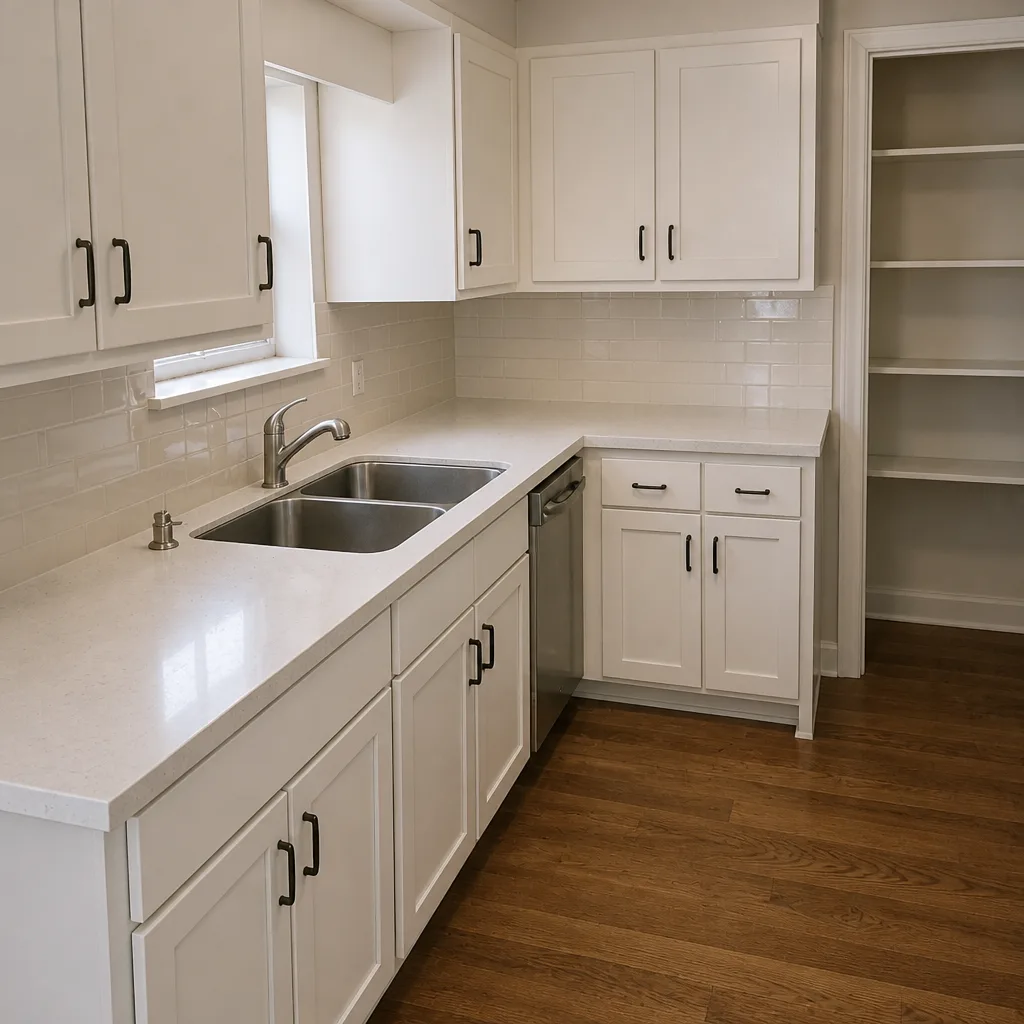
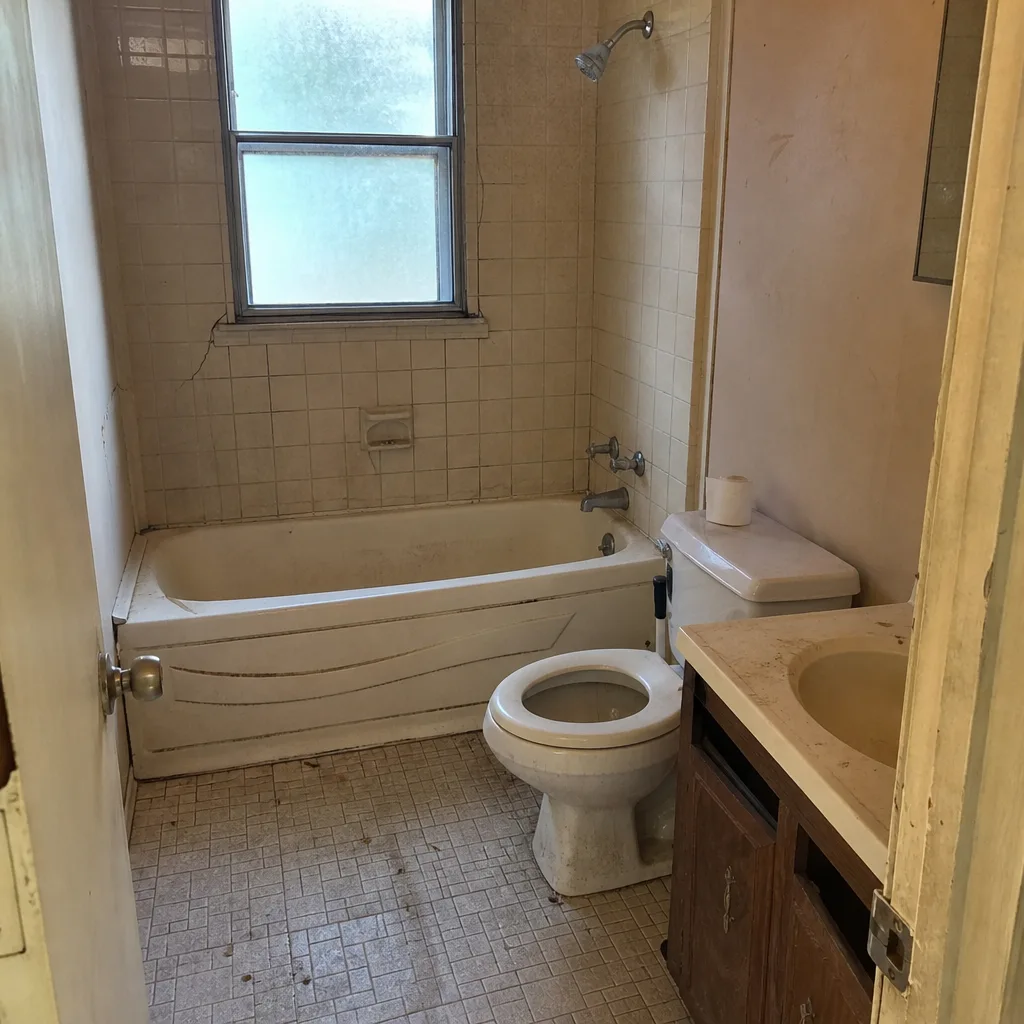
See the difference
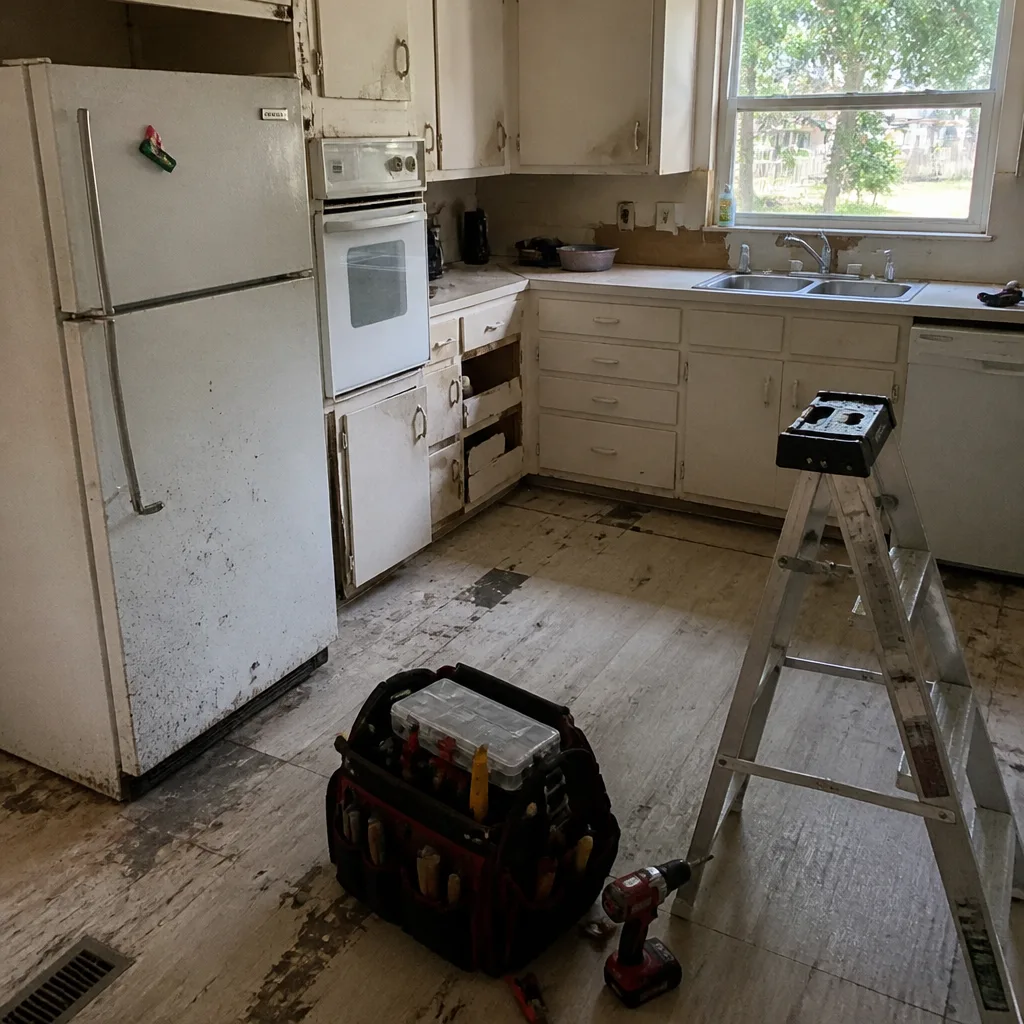 Before
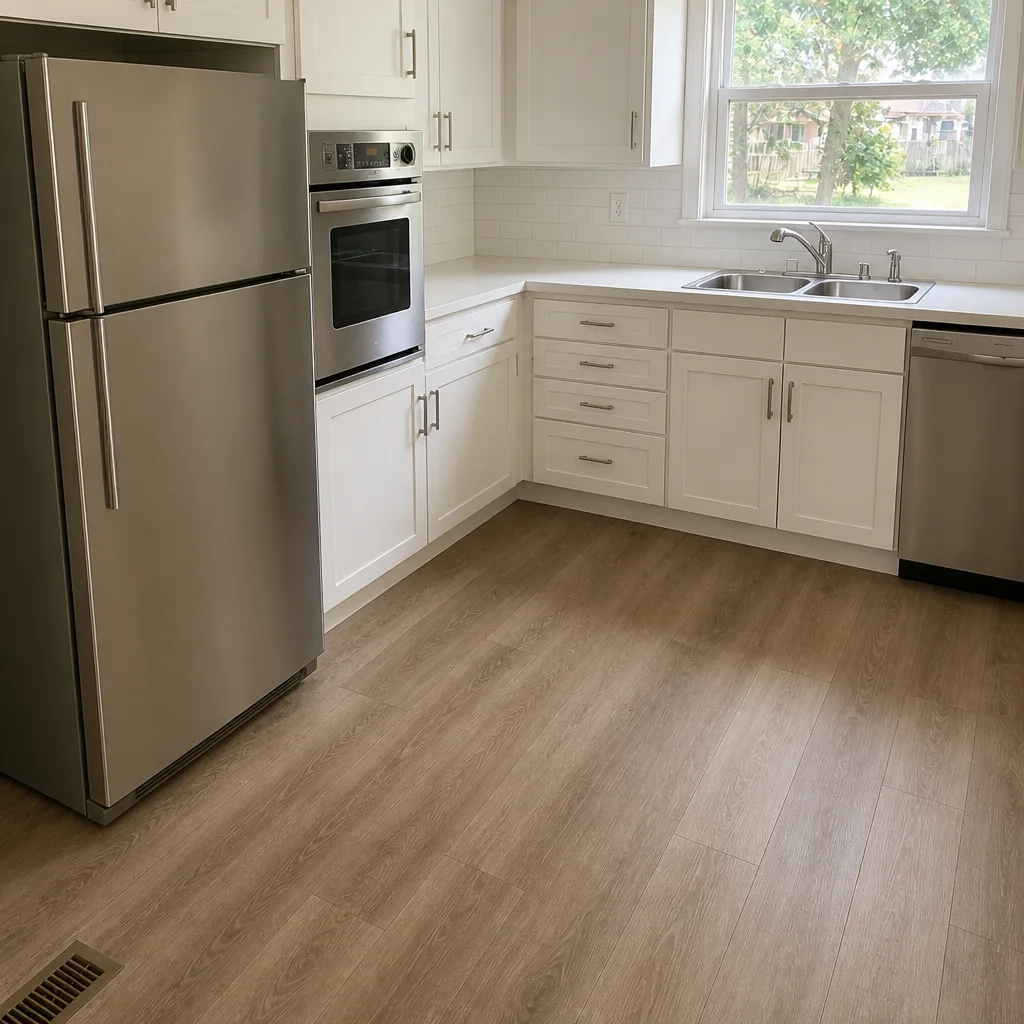 After
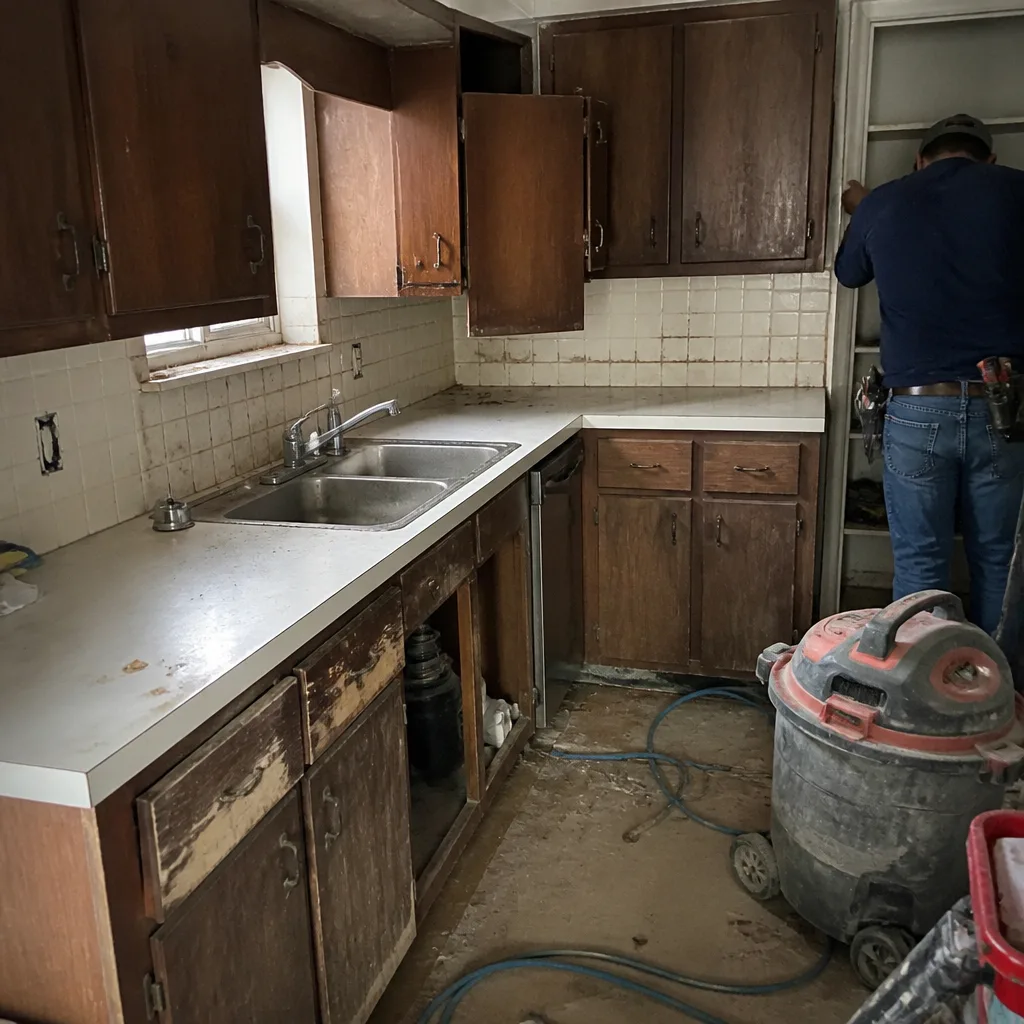 Before
 After
 Before
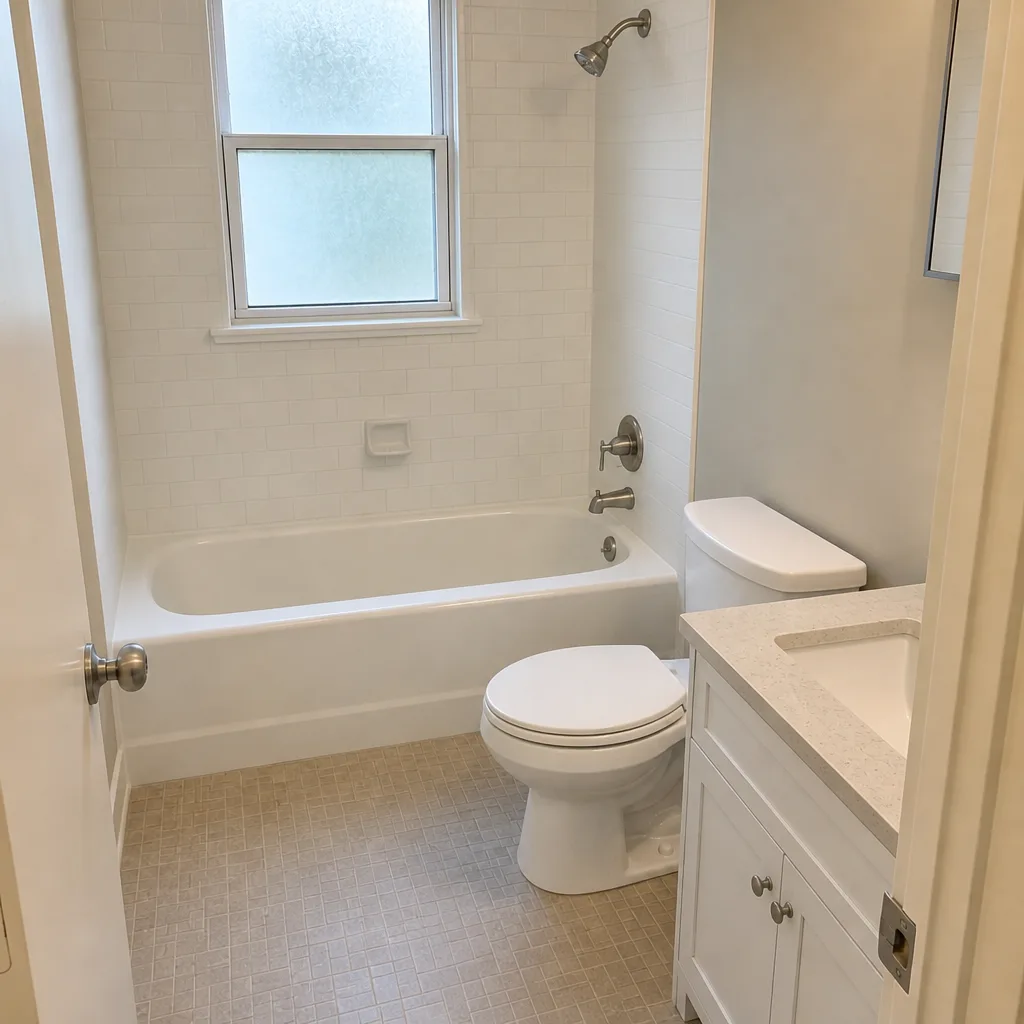 After
Common Mistakes to Avoid
- Climbing onto the roof after a storm. Wet shingles and hail-damaged decking are a fall hazard, and you can’t document what you can’t safely see. Photograph from the ground and let a trained professional handle the inspection.
- Starting permanent repairs before the claim is scoped. Once the damage is covered up, the adjuster loses the evidence they need. Document first, temporary-protect second, permanent repair third.
- Skipping documentation of emergency protective measures. Insurers usually cover tarping and board-up, but only if you have receipts and photos that show what was done and when. No paper trail, no reimbursement.
- Signing with the first contractor who knocks. Storm chasers thrive on urgency. Ten minutes of license verification and one written scope request will filter out most of them.
- Ignoring the foundation because the roof got the attention. Garland’s clay soil can shift after heavy rain. Door binding and new cracks deserve a professional look even if the roof is fine.
- Tacking a fence with pallet boards and forgetting about it. A temporary fence patch is fine for a week. A permanent fence replacement that never gets permitted leaves you exposed if a neighbor’s insurance or your own asks for proof of work.
- Not updating your home inventory after a remodel. If you added finishes to a bathroom or kitchen last year, the pre-storm record should reflect it, or the claim scope comes in short.
When to Call a Professional
Call a professional the moment damage has compromised the structure: a roof opening that’s letting water in, a broken window, standing water inside, a fence or garage door that no longer secures the property, or visible foundation movement. Those are all cases where a temporary response in the next 24 to 48 hours keeps the damage from doubling. For foundation symptoms specifically, including new cracks or doors that won’t latch, have a trained professional assess before you do anything, since structural issues are not a DIY repair area. Construction Garland offers free estimates in Garland and can put emergency temporary protection and permanent repair under one written scope. Call (888) 405-7616. We answer 24/7. Fast dispatch from 7am to 7pm, Sunday through Friday.
Frequently Asked Questions
Document from the ground, then call for temporary protection before anything else. Photograph every elevation and any interior leaks, open your insurance claim, and ask a professional to inspect the roof and tarp any opening. Don’t climb on the roof yourself. Call (888) 405-7616 for a free estimate and a documented inspection.
No. Tarping and board-up are temporary protective measures designed to prevent further damage, and they’re generally covered by homeowners policies as a separate step from permanent repairs. The key is documenting them with photos and a written invoice. We keep that distinction clean on every storm scope.
Call for an evaluation if a crack is wider than a quarter inch, a door no longer latches, or the slab has visibly moved. Garland’s expansive clay soil swells after heavy rain, and temporary door binding can resolve on its own, but structural signs warrant a trained professional. Don’t sign a same-day foundation contract from a door-to-door company. Call (888) 405-7616 for a free estimate.
Emergency protection can usually be arranged within a day, but permanent repair work is often booked a few weeks out after a major storm because quality contractors stay busy. That’s why pre-storm relationships matter. We answer 24/7, with fast dispatch from 7am to 7pm, Sunday through Friday.
Most cities require permits for structural replacement work, including roofing and fence installation, so ask your city’s building department what applies to your project. A legitimate contractor pulls the permits and passes the inspections, and should tell you so without hesitation. Ask us directly and we’ll walk you through it.
Yes, and that’s the practical advantage of working with a full-scope contractor. Instead of juggling three specialties and three schedules, you get one team sequencing the work from driveway to roofline under one written scope, which is also easier for your insurer to process. Call (888) 405-7616 for a free estimate.
The Bottom Line
Construction emergencies in Garland come down to a short list of decisions made under pressure: what to protect first, what to document, who to call. Get those right in the first 48 hours and the damage stays bounded. Get them wrong and it compounds. Build your documentation now. Line up a contractor you trust before the storm instead of after. Keep temporary protection and permanent repair separate in your paperwork so the insurance claim stays clean. And when a single storm touches your roof, fence, windows, and driveway, hand the whole scope to one accountable team. That’s what “one contractor, every project” means when the weather turns.
Written by the team at Construction Garland.