
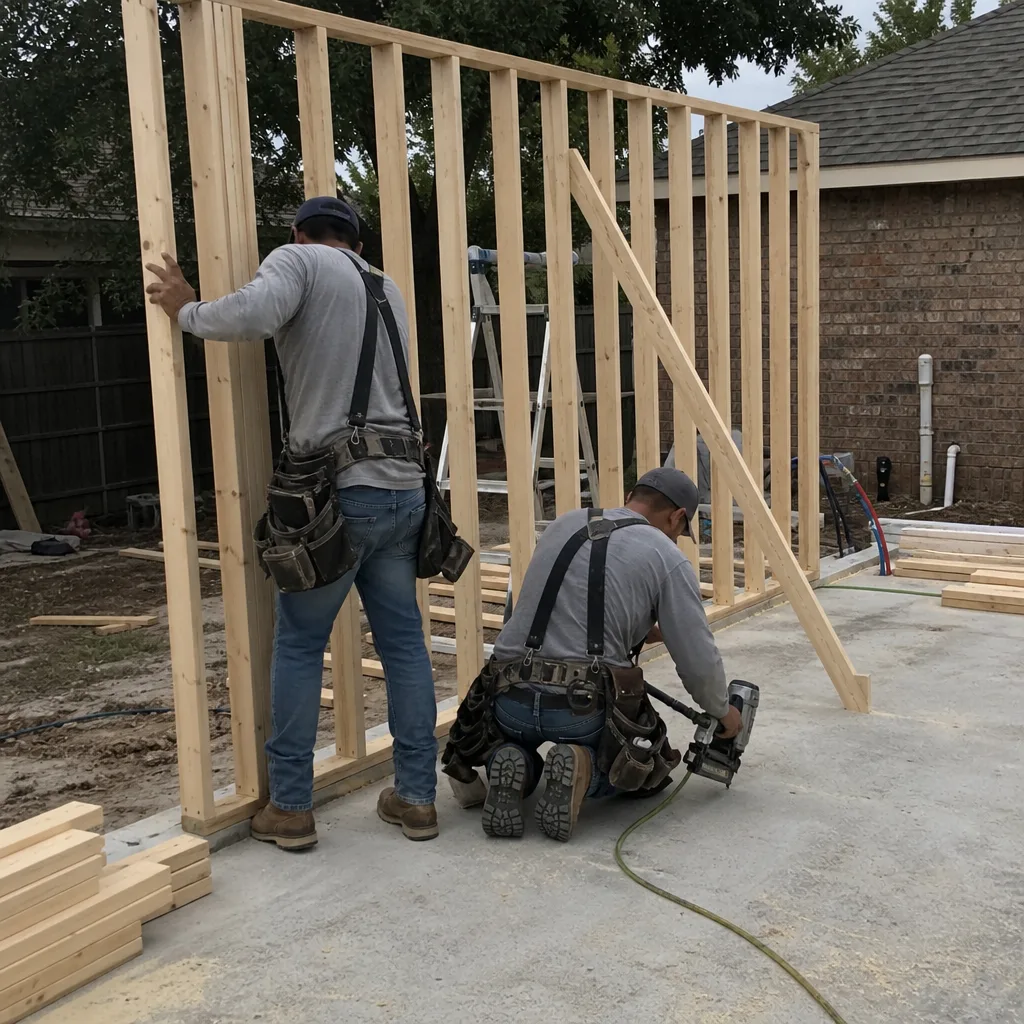
Last updated November 16, 2026
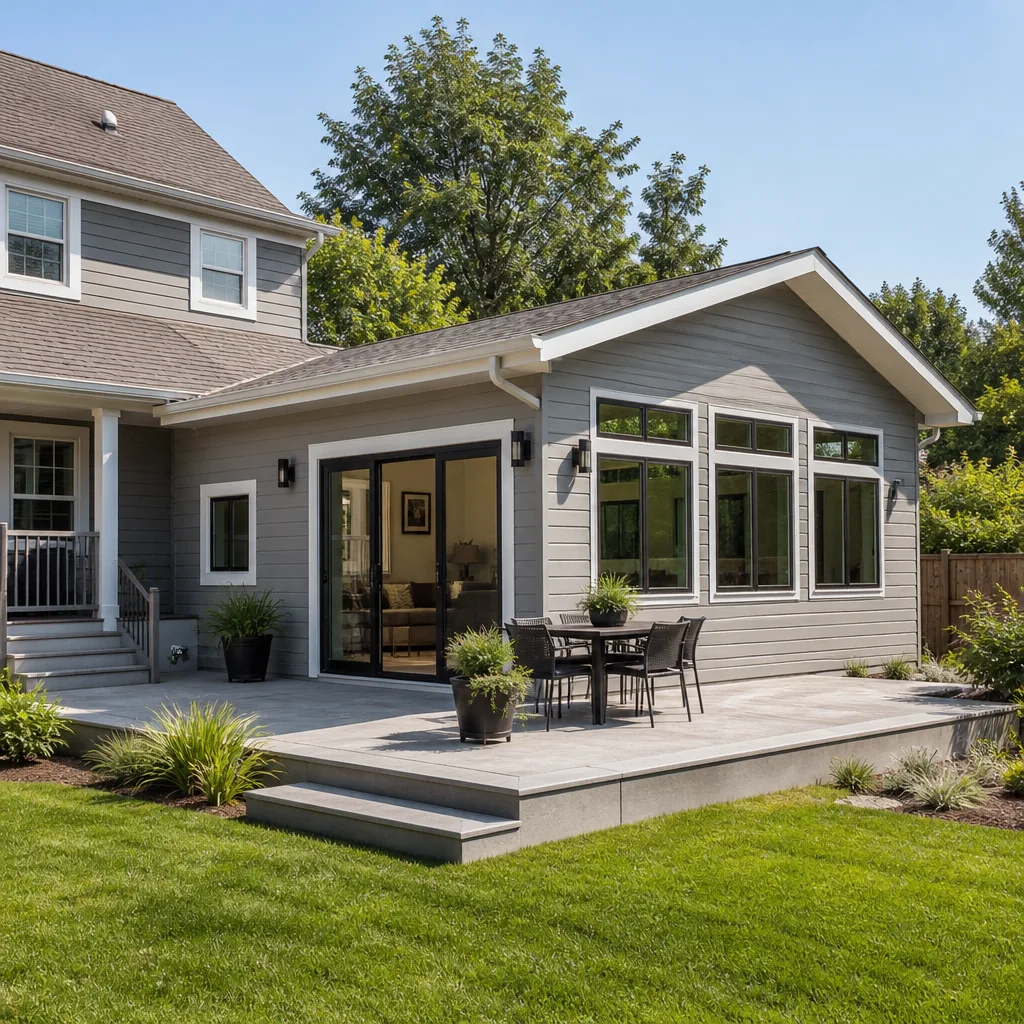 Home additions & ADU
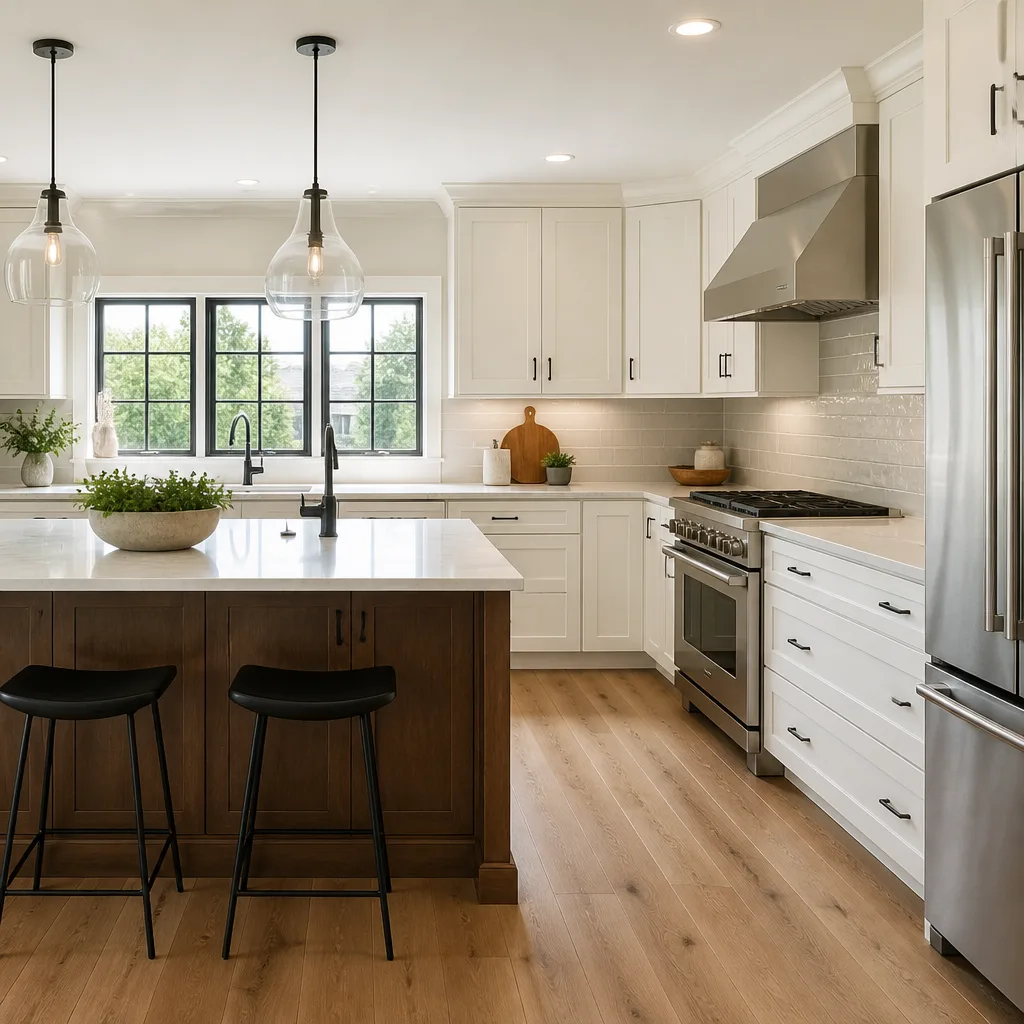 Kitchen remodeling
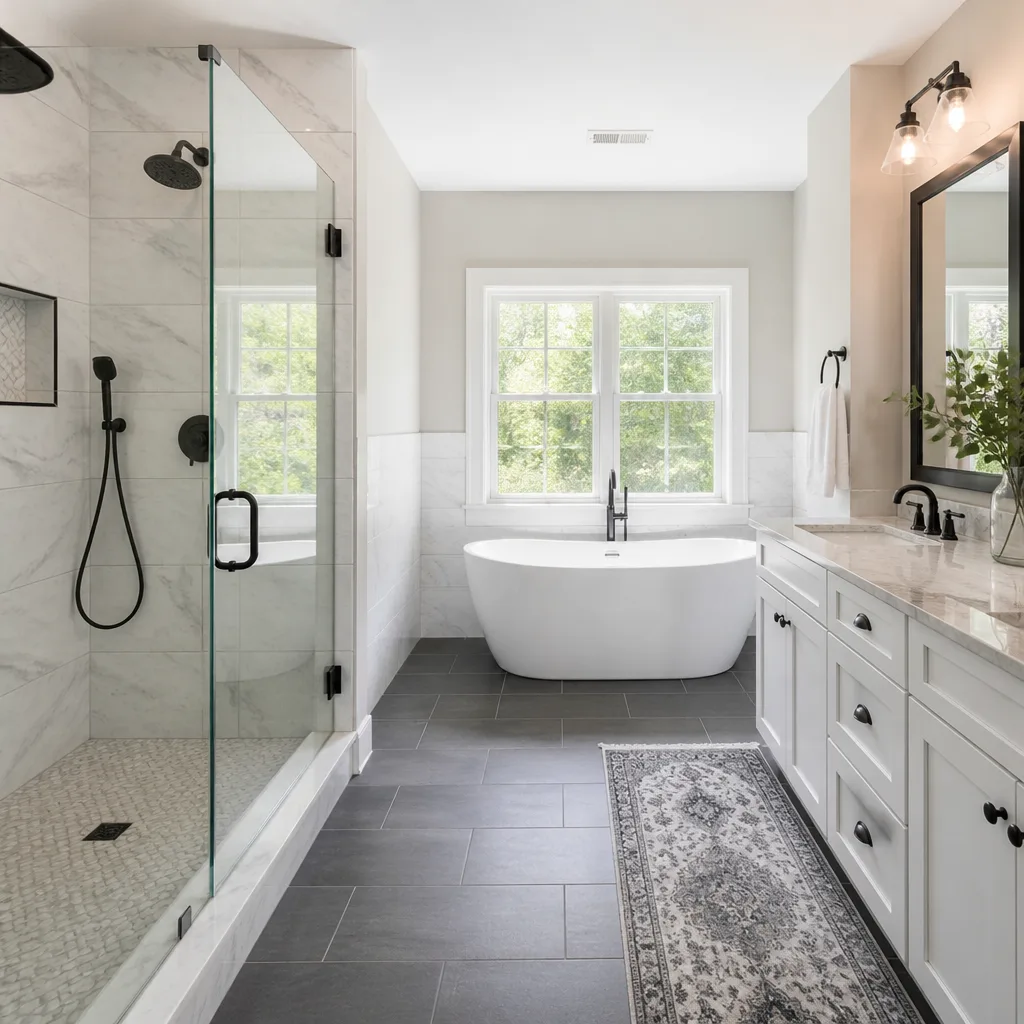 Bathroom remodeling
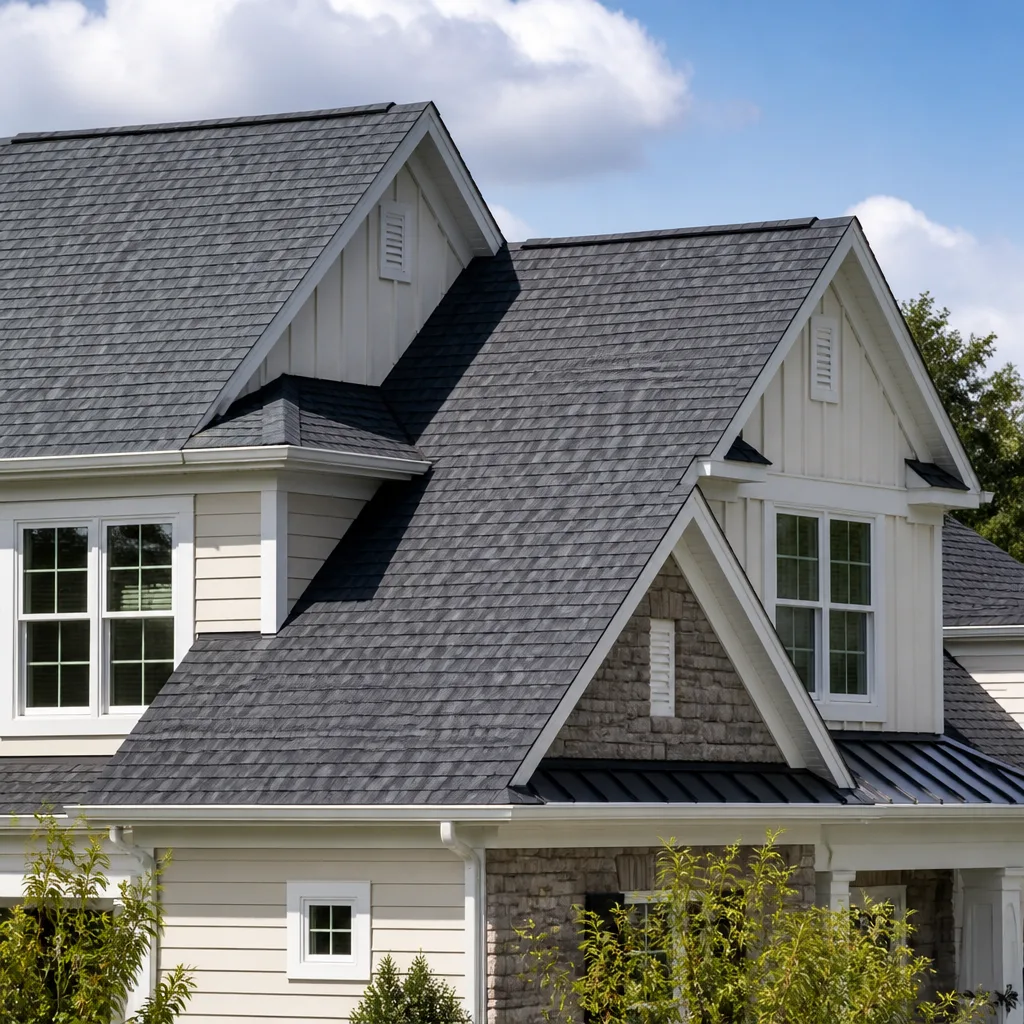 Roofing
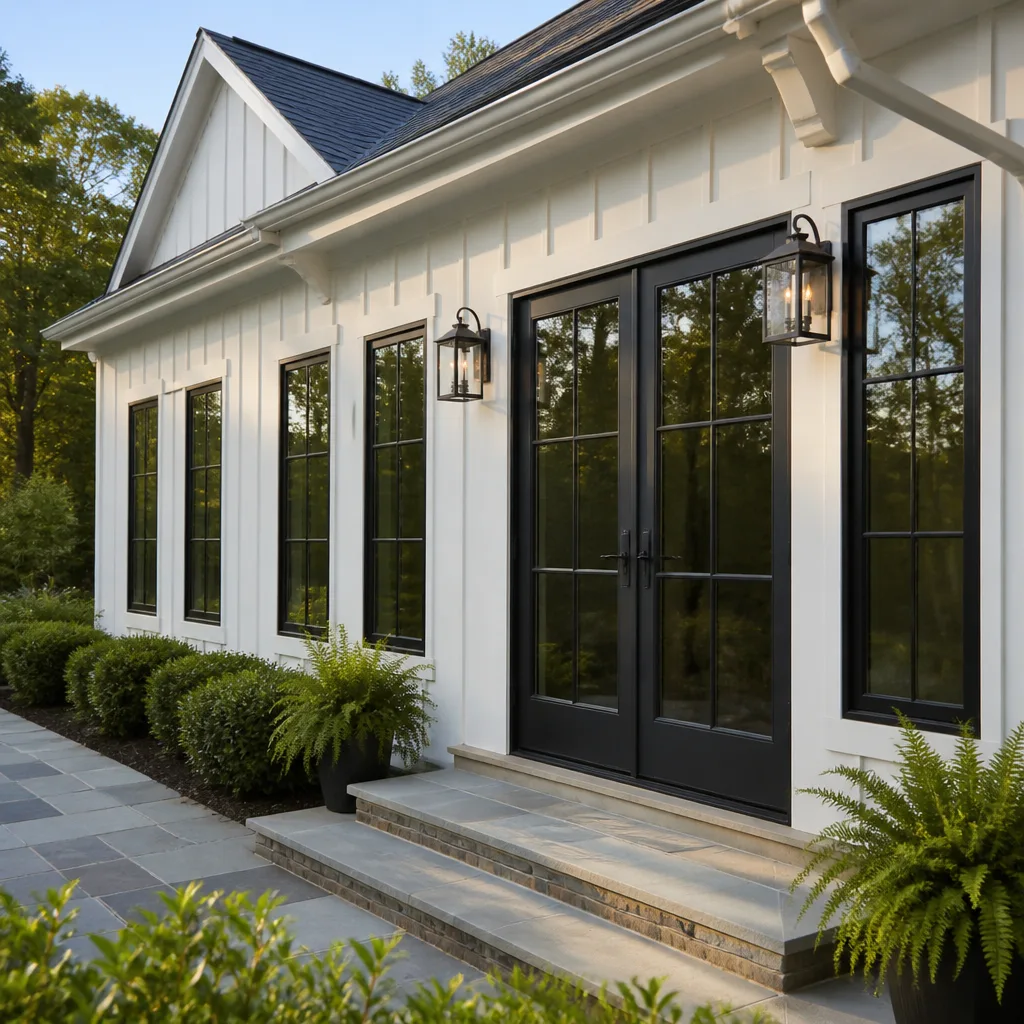 Windows & doors
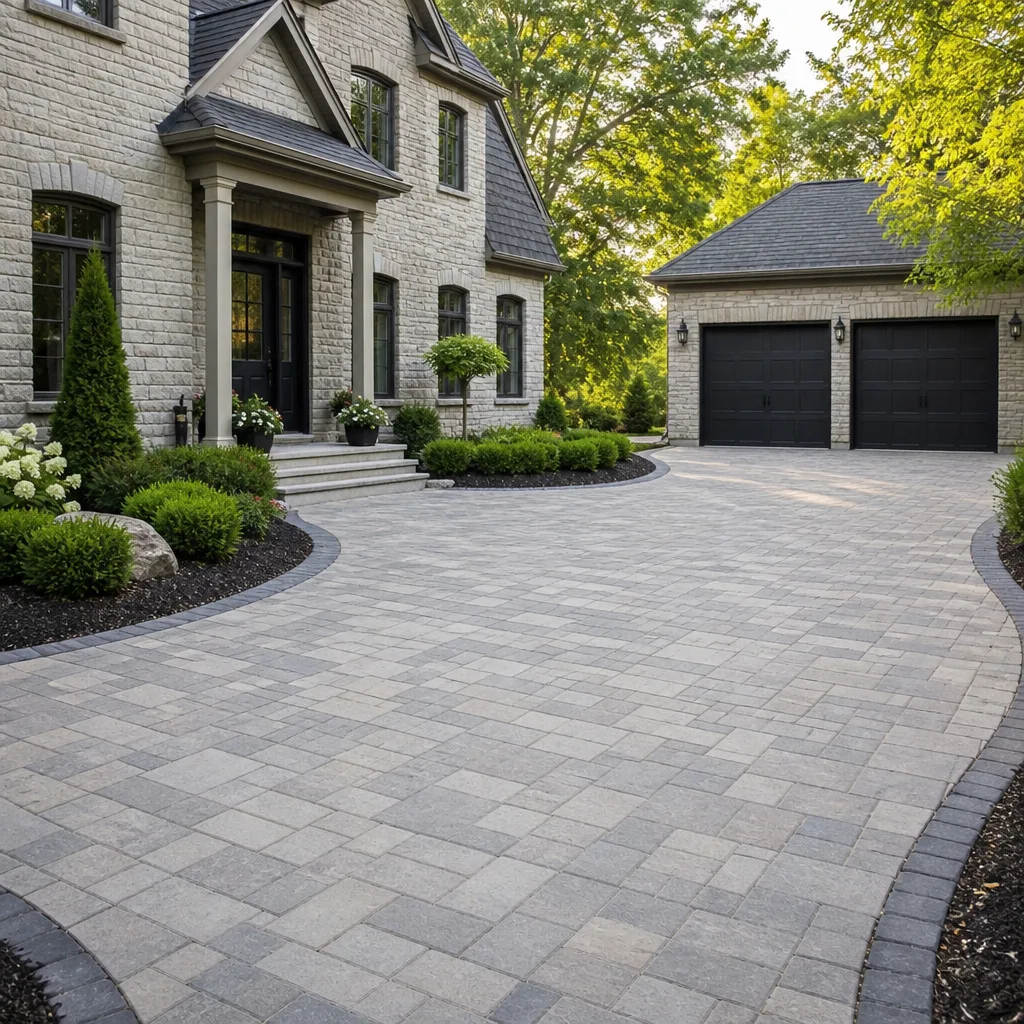 Driveway & pavers
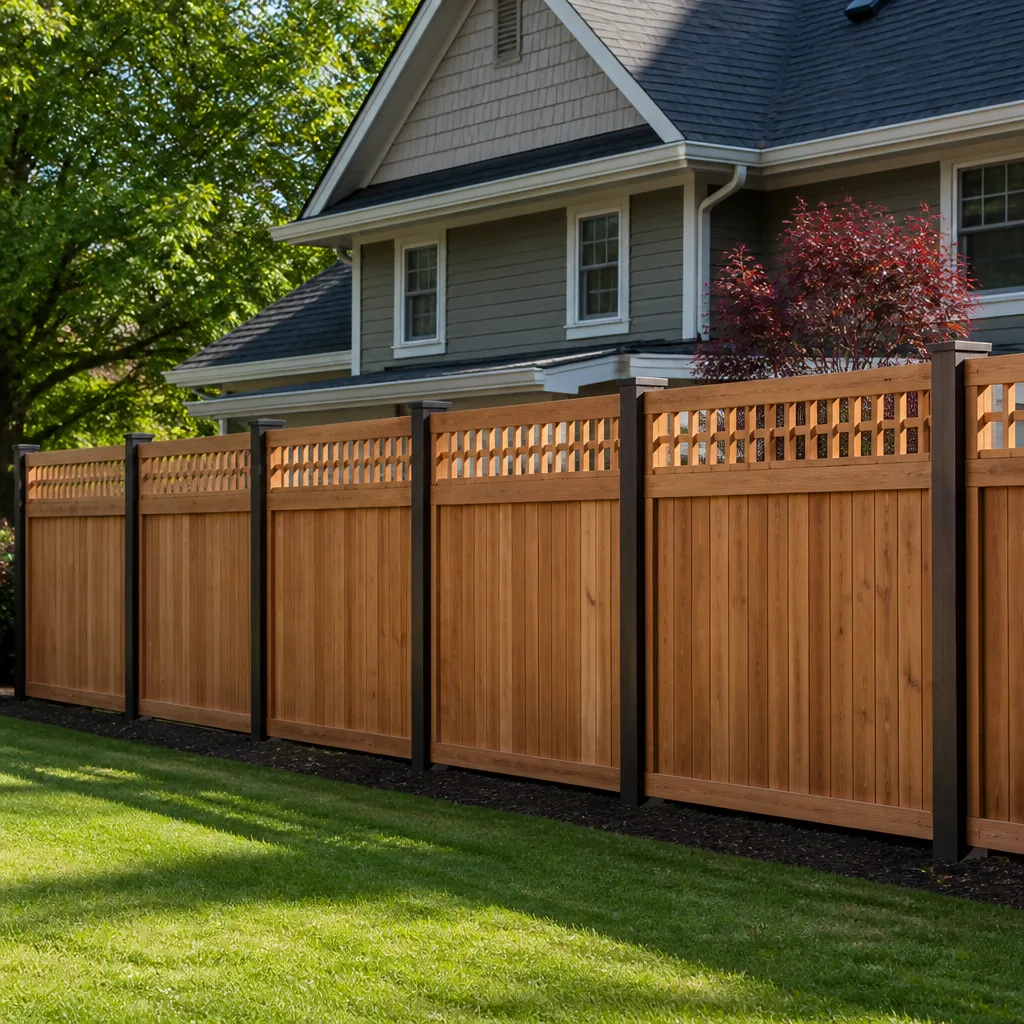 Fence
Free written scope consultation - allowances, timeline, and change-order rules on paper before a single trade is scheduled
DIY vs Professional Construction: The Garland Homeowner’s Decision Guide
Texas law lets you pull your own permits and do your own work on the home you live in. That’s a real right, and it’s the reason a lot of Garland homeowners pick up a hammer before they pick up the phone. But that legal right doesn’t travel with the work: it doesn’t transfer a manufacturer’s warranty, it doesn’t produce the paperwork an insurance adjuster wants to see, and it doesn’t rescue you from a failed inspection that asks you to tear out something already finished. This guide walks through where DIY pays off in Garland, where it quietly costs more than a professional bid, and how to tell the difference before you start.
Quick Answer
DIY makes sense in Garland for small, reversible, cosmetic work: interior paint, trim, fence boards you’re replacing on an existing frame, garden beds, and basic landscaping. Hire a licensed professional for anything structural, anything that touches the roof envelope or a window opening, anything involving electrical or gas, and any flatwork tied to a permit; the cost of a failed inspection or an unhonored warranty almost always exceeds the spread between the DIY budget and a professional bid. Projects that require a permit you can’t legally pull as a homeowner must go to a licensed trade contractor, full stop.
Styles & brands we work with
- Kitchen remodeling
- Bathroom remodeling
- Home additions & ADU
- Roofing
- Windows & doors
- Driveway & pavers
- Fence
Table of Contents
- What Texas Law Actually Allows Garland Homeowners to Permit
- How DIY Work Voids the Warranties You Already Paid For
- Garland’s Clay Soil and Why Flatwork Fails
- Where DIY Genuinely Makes Sense in Garland
- The Risk-Adjusted Cost of a DIY Failure
- Insurance Claims, Documentation and the DIY Gap
- When the Project Touches More Than One Trade
- Inspections and How They Work in Practice
What Texas Law Actually Allows Garland Homeowners to Permit
Texas gives homeowners the right to perform construction, alteration, and repair on their own homestead and to pull the permits for it. That’s broader than most states, and it’s why you’ll see a homeowner-built shed or a self-installed fence going up on a Garland street without anyone raising an eyebrow. The confusion starts when people assume that right is universal. It isn’t. Texas exempts certain work from homeowner self-permitting, and local building departments are the ones who enforce the line.
In practical terms, here’s how the split usually looks:
- Homeowner can typically pull the permit and do the work: fences below a certain height on your own lot, detached storage sheds under a size threshold, interior cosmetic remodels that don’t move walls or touch utilities, driveways and flatwork on private property, and paver patios that don’t bear structural loads.
- Licensed trade contractor required by law: electrical beyond a simple fixture swap, gas line work, plumbing that ties into the municipal supply or sewer, and HVAC. Texas licenses these trades specifically because the failure modes are dangerous.
- Engineered or structural work: additions, load-bearing wall removals, and anything that changes the building envelope typically require sealed plans from an engineer, which a homeowner can’t substitute for with their own drawings.
- Work with warranty or insurance implications: roofing, window replacement, and any repair you plan to claim on insurance. You can legally do the work; you just can’t guarantee the manufacturer will honor the warranty afterward.
Before you buy a single board, call Garland’s building department and describe the project in plain language. They’ll tell you whether the job is yours to permit or whether a licensed contractor has to sign. That one phone call costs nothing and has saved more than a few homeowners from starting work they’d have to undo. If your project sits outside the seven categories we handle at Construction Garland, we’ll tell you, but if it’s inside them we can usually answer the permit question the same day.
How DIY Work Voids the Warranties You Already Paid For
A roofing shingle or window unit carries a manufacturer’s warranty on the material, and a separate warranty on the labor. The material warranty often survives a homeowner install, but the labor warranty usually doesn’t, and the material warranty frequently has a licensed-installer clause buried in the fine print. That clause says the manufacturer will honor defects only if a licensed or certified contractor did the installation. You can install a GAF or CertainTeed roof yourself, and the shingles may still be what the manufacturer promised them to be, but the recourse if something goes wrong in year four may be a shrug instead of a replacement.
Here’s the pattern across product categories:
- Roofing: GAF, CertainTeed, Owens Corning, IKO, Atlas, and Tamko all publish installation requirements that reference proper ventilation, nailing pattern, and certified installation for the extended warranty tiers. A homeowner-installed roof usually qualifies for the base material warranty at best.
- Windows and doors: the manufacturer’s warranty on the unit and the installation warranty are two different documents. The second one goes away entirely when you install it yourself, and that’s the one that covers the leak that shows up after two summers.
- Fencing: Barrette, Master Halco, Ameristar, and similar manufacturers warranty the material against defects, but not against a post that heaves because it wasn’t set to depth. That failure is on the installer, and if the installer was you, the manufacturer will ask for documentation you don’t have.
- Hardscape and pavers: paver manufacturers warranty the unit against breakage under normal use. A paver that cracks because the base was six inches too thin isn’t a defect; it’s an installation failure, and nobody covers it but you.
The practical takeaway: warranties are only as valuable as the paper that supports them, and a licensed installer is what makes that paper exist. If you’re installing a product worth thousands, the warranty is part of what you’re buying. When we bring materials into a Garland project, we hand over the documentation to match. You choose the brand and you get the warranty record that goes with it.
Garland’s Clay Soil and Why Flatwork Fails
Garland sits on Blackland Prairie clay, and that soil is one of the most misunderstood factors in a home project. It expands when wet and shrinks when dry, which means a slab, driveway, or paver field that isn’t designed for that movement gets pushed around from below. The result is cracking, settling, and heaved edges. A homeowner can follow every YouTube tutorial and still get a failed driveway in two or three seasons, because the missing ingredient isn’t skill. It’s the base preparation and drainage design that accounts for soil movement.
Where DIY flatwork goes wrong most often:
- Base depth built for stable soil. A 4-inch compacted base is fine in sandy ground and inadequate on clay. Pros working in Garland build deeper and compact in lifts.
- No slope for drainage. Water that ponds against the foundation or under a paver field turns clay into a sponge and starts the cycle of movement.
- Skipping the geotextile layer. Fabric under pavers keeps the subgrade from migrating into the base. It’s cheap and it’s easy to skip when you’re working alone.
- Pouring concrete in the wrong weather. A hot, fast-dry pour cures weak. Concrete needs controlled curing, and that means knowing when to place and how to finish.
- Underestimating total weight. A 3-car driveway is measured in tons of material. That’s a delivery problem, a placement problem, and a compaction problem all at once.
If your project is a driveway or a patio, the soil conditions here make this the one category where the gap between DIY and professional is widest. Our driveway & pavers work uses Belgard, Unilock, Techo-Bloc, and Cambridge Pavers, and every install starts with base preparation that accounts for Garland’s clay, not a generic spec sheet.
Where DIY Genuinely Makes Sense in Garland
The honest answer is that some of the very best DIY projects are things that don’t require a permit, don’t void a warranty, and don’t put a load on the building envelope. Interior paint is the textbook case. So is trim and casing, basic shelving, landscaping, and replacing boards in a fence that’s structurally sound. You can do these in a weekend with rental tools and no inspection.
The projects where DIY genuinely makes sense here:
- Interior paint and drywall patching. Reversible, cheap to fix if you’re unhappy, zero permit involvement.
- Fence board and gate repair on an existing frame. If the posts are sound, new boards and a new gate are well within reach. When the posts are heaving, the job usually graduates to a full replacement.
- Cabinet hardware, light fixture swaps, and paint-and-refresh of a kitchen. Fixtures are an easy upgrade if the wiring is already there and you’re not moving it. Anything that moves the circuit is licensed electrician territory.
- Garden beds, edging, mulch, and small plantings. This is landscaping, not construction. It carries no permit and no structural risk.
- Pressure washing and exterior cleanup. The best $200 you can spend before the season turns.
Notice what’s not on the list: roofs, windows, additions, structural work, and major hardscape. Those are the projects where the risk-adjusted cost of DIY goes wrong for reasons the homeowner can’t control.
The Risk-Adjusted Cost of a DIY Failure
The way most homeowners compare a DIY vs. pro decision is dollar for dollar against the bid. The better comparison is dollar for dollar against the risk of a failed outcome. A professional installation that costs $X versus a DIY attempt that costs $Y, plus the probability and cost of remediation if it fails. That second number is what most guides leave out.
Consider a rough framework:
- Cosmetic interior work: DIY wins. The failure mode is a coat of paint you don’t like, not $X thousand in rework.
- Fences below code height on a sound lot line: DIY is a defensible choice, though it’s slower and physically heavier than most people expect. Barrette, Master Halco, and Ameristar panels are engineered assemblies; miss a spec and the warranty goes with it.
- Roofing: the failure modes are active leaks, failed inspection, and a voided extended warranty. The remediation cost can be a full tear-off plus interior repair, and you’re already out the material cost.
- Windows and doors: a badly flashed window leaks behind the wall into framing you can’t see. By the time it shows up as a stain on the ceiling, it’s not a reinstall. It’s a rebuild.
- Flatwork on clay: the failure mode is a driveway that’s cracked within a few seasons and needs to come out. Removal and re-pour is roughly the full installation cost, twice.
- Additions and ADUs: a failed inspection at the framing or foundation stage is a demolition order, not a punch-list item.
If the risk-adjusted spread between the bid and the DIY attempt is under a few hundred dollars, the professional is the obvious call. If the failure cost is 3x or 4x the bid, the spread is so lopsided the decision makes itself. This is where a free, written, line-item estimate becomes the cheapest thing you can start with, even if you end up doing the work yourself.
Insurance Claims, Documentation and the DIY Gap
Here’s a scenario worth understanding before you start. A homeowner replaces or repairs a section of their own roof after a hailstorm, does the work well, and doesn’t document it. Two seasons later another storm causes a leak in the same area. The insurance adjuster asks what was done to the roof and who did it. The homeowner has no invoice, no contractor license number, no material documentation, and no before-and-after record. The claim gets adjusted at a fraction of the real cost, or denied outright, on grounds of undocumented prior repair.
That scenario is why insurance companies prefer documented, professional repairs on structural and envelope work. A licensed contractor produces an invoice, materials documentation, a permit record, and a workmanship warranty. That’s the paper chain that supports a subsequent claim. DIY repairs are legally fine, but they leave a gap.
The same logic applies to any addition, structural repair, or envelope change. If you ever plan to sell the Garland home, a buyer’s inspector will ask who did the work, and the answer “I did it myself” starts a negotiation you don’t want to have. If the project touches roofing, add fence installation documentation to the same file if fencing was part of the work, and keep it with the home’s records.
When the Project Touches More Than One Trade
The DIY calculus changes when a project is really two or three projects wearing a single description. A kitchen “refresh” that turns into moving the island is electrical, plumbing, cabinetry, countertops, and finishing. A “windows” project that reveals rotted framing is windows plus carpentry plus envelope repair. A fence and driveway refresh done together is two different permit scopes and two different material families.
That’s the reason we built our business around a single accountable scope. One contractor, every project from driveway to roofline. Kitchen remodels with designer-grade countertops from Cambria, Caesarstone, and Silestone and cabinetry from KraftMaid and Wellborn. Bathroom work with fixtures from Kohler, Moen, Grohe, Toto, Delta, American Standard, Blanco, and Sterling. Roofing in GAF, CertainTeed, and Owens Corning systems. Windows and doors in ViewLux and the other vetted lines. Fencing in Barrette, Master Halco, Ameristar, Jerith, Bufftech, and ActiveYards. Pavers in Belgard, Unilock, Techo-Bloc, and Cambridge. When you diy a project that crosses trades, you’re coordinating the sequencing yourself, which is where most schedules fall apart.
If your project is scope-creeping into multiple trades, our home additions & ADU page is the closest thing we have to a map of how a multi-trade job actually sequences.
Inspections and How They Work in Practice
An inspection is a checkpoint, not a formality. For a homeowner-permitted project, you’re the one responsible for scheduling the inspection at each defined stage: usually foundation or framing first, then rough-in for utilities, then final. Fail the framing inspection and you’re not patching a wall. You’re taking it back down. That’s the failure mode that most DIY guides don’t mention, and it’s why the DIY decision is less about skill and more about whether you can accept the failure.
Here’s how a typical Garland sequence runs:
- Call the building department before you buy material. Confirm the permit scope and the inspection stages.
- Submit a simple plan. Drawings don’t need to be architectural, but they need to be accurate and legible.
- Schedule the first inspection before you cover anything. Foundation, framing, or rough-in, whichever comes first. Don’t skip stages because you’re in a hurry.
- Keep every inspection record. That paper trail matters for the final, for the sale, and for your insurer.
- Call for the final inspection and get it in writing. A passed final is the strongest single document in the file.
If you’re doing the work yourself, you own every step. If you’re hiring, the contractor owns the sequence and you own the sign-off. Either way, the work is going to be inspected, and that raises the bar on getting it right the first time.
Common Mistakes to Avoid
- Assuming Texas law makes all DIY legal. The homestead exemption is broad, but electrical, gas, plumbing, and HVAC still require a licensed trade contractor. A project that starts as a legal homeowner job can become an illegal one the moment a gas line enters the picture.
- Buying material before the permit. If the building department tells you the scope needs a licensed contractor, that brand-new pallet in the driveway becomes a return trip. Confirm the permit first, then buy.
- Missing the licensed-installer clause. GAF and CertainTeed extended warranties, and window-unit installation warranties from every major manufacturer, require certified installation. Read the warranty before you commit to DIY, not after.
- Underestimating the clay. Garland’s soil moves with moisture, and a driveway poured to a sandy-soil spec fails within a couple of seasons. Base depth and drainage design matter more than finish technique here.
- Doing a repair before an insurance claim. If a storm caused the problem, get the adjuster out before the repair, and keep the documentation. A documented repair preserves the claim; an undocumented one undermines it.
- Starting a multi-trade project without a schedule. A bathroom remodel that moves fixtures is a rough-in problem before it’s a tile problem. Sequencing goes wrong before execution does.
- Skipping the inspection record. Even small permitted work should end with a passed final in writing. That paper is what protects you on resale.
See the difference
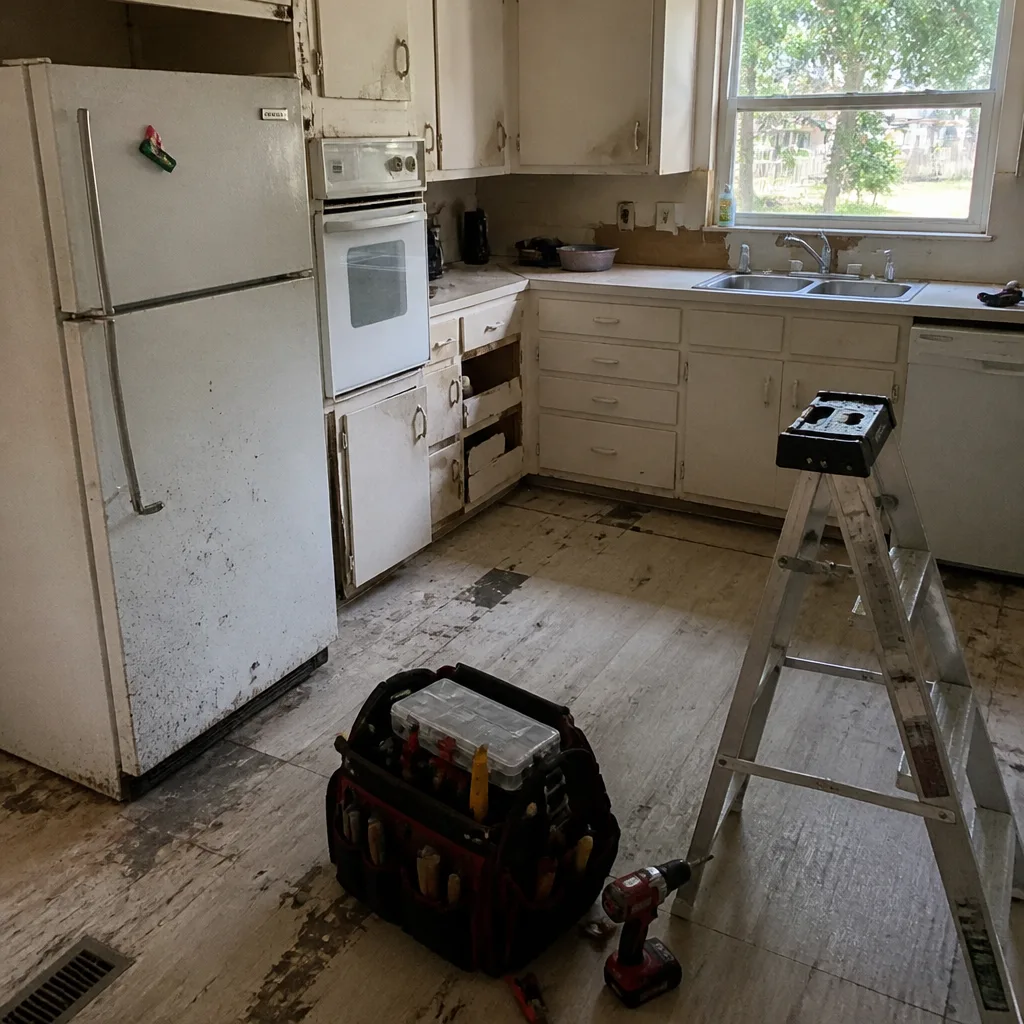 Before
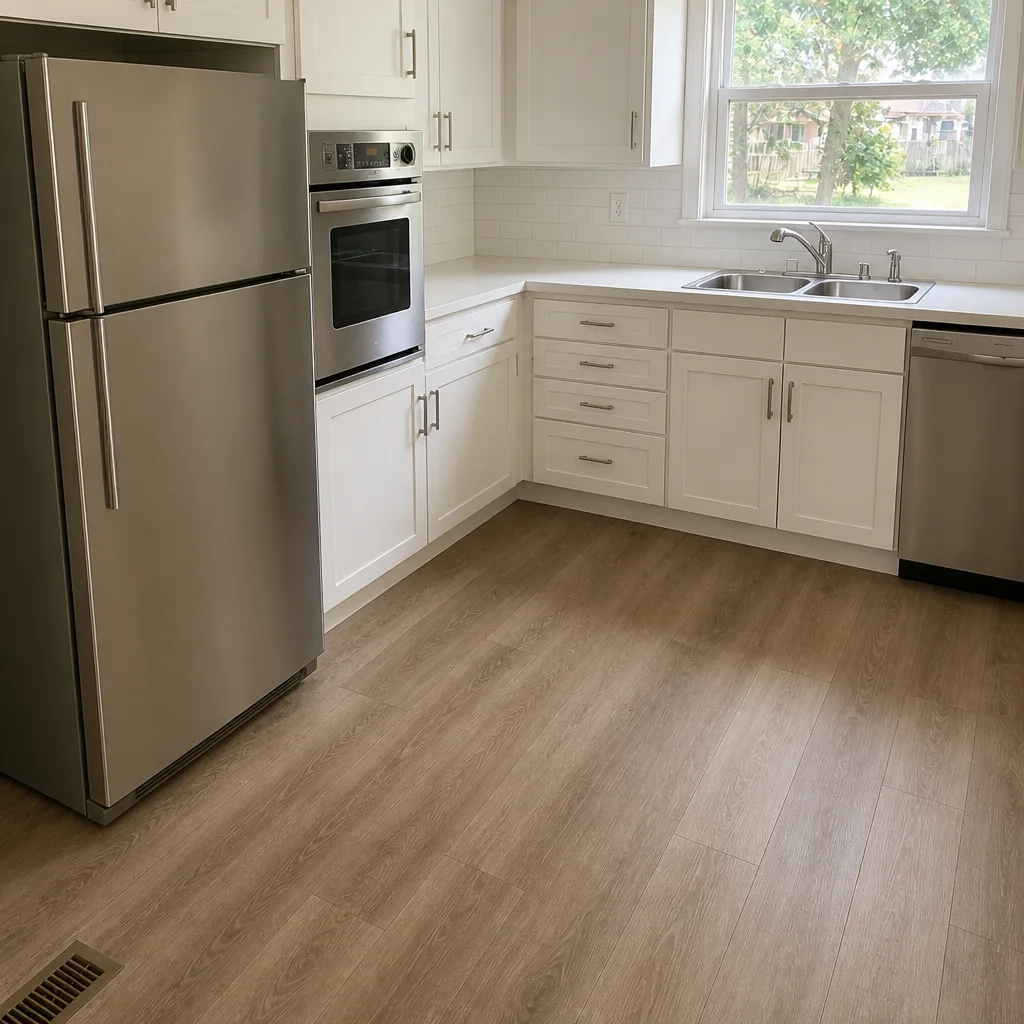 After
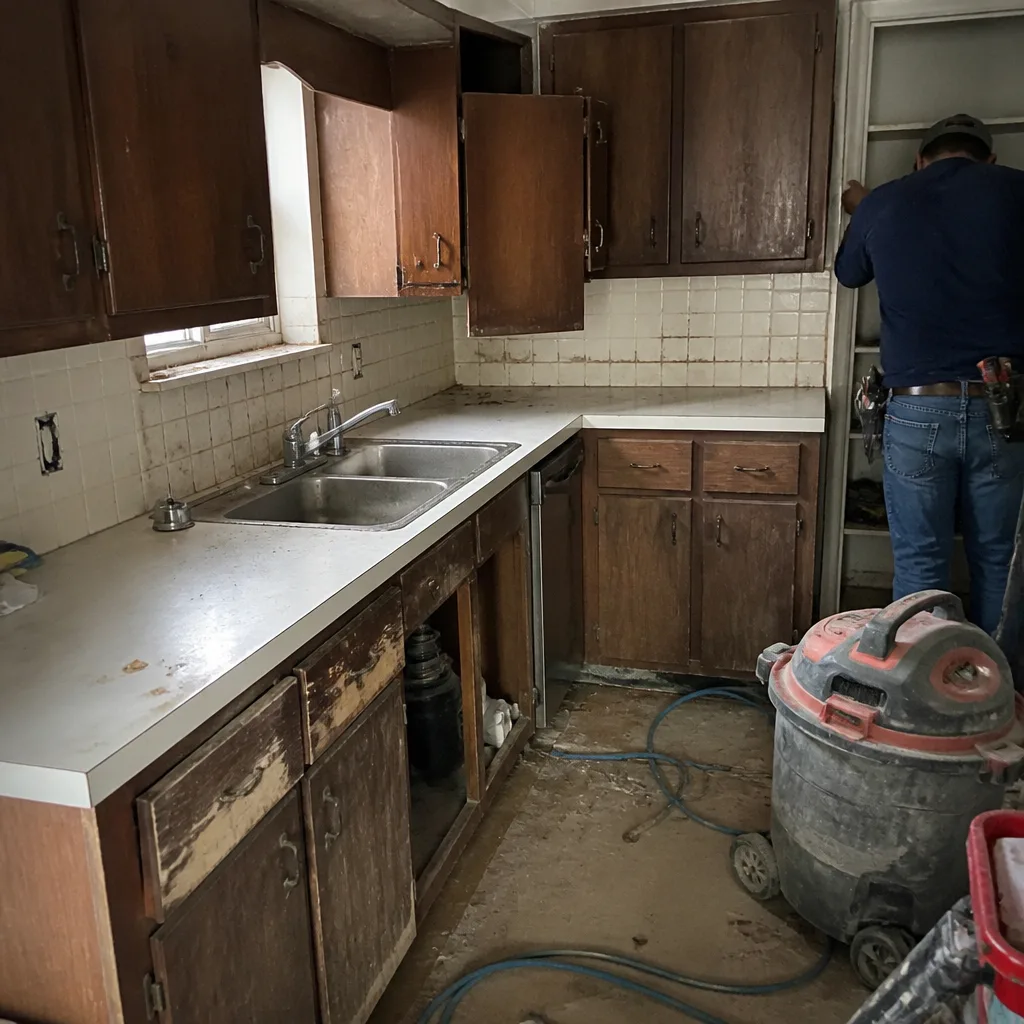 Before
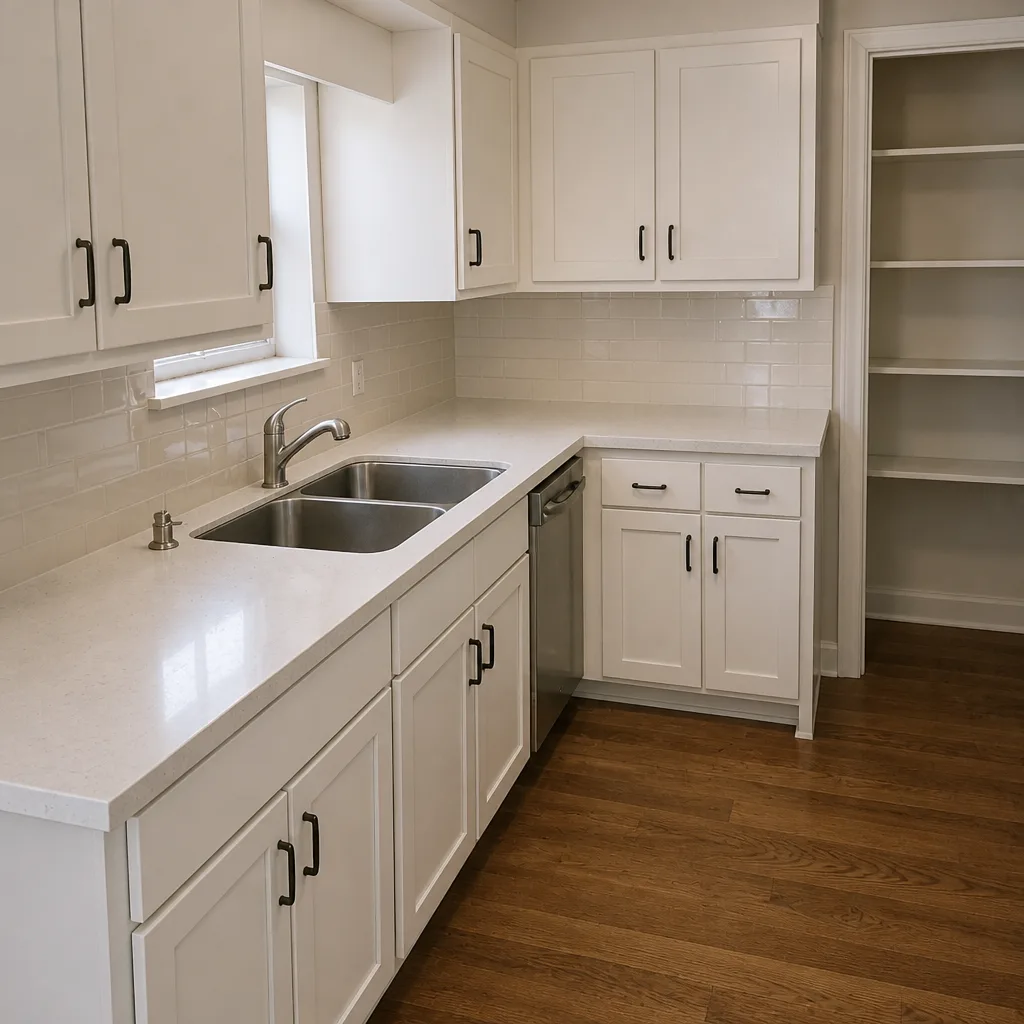 After
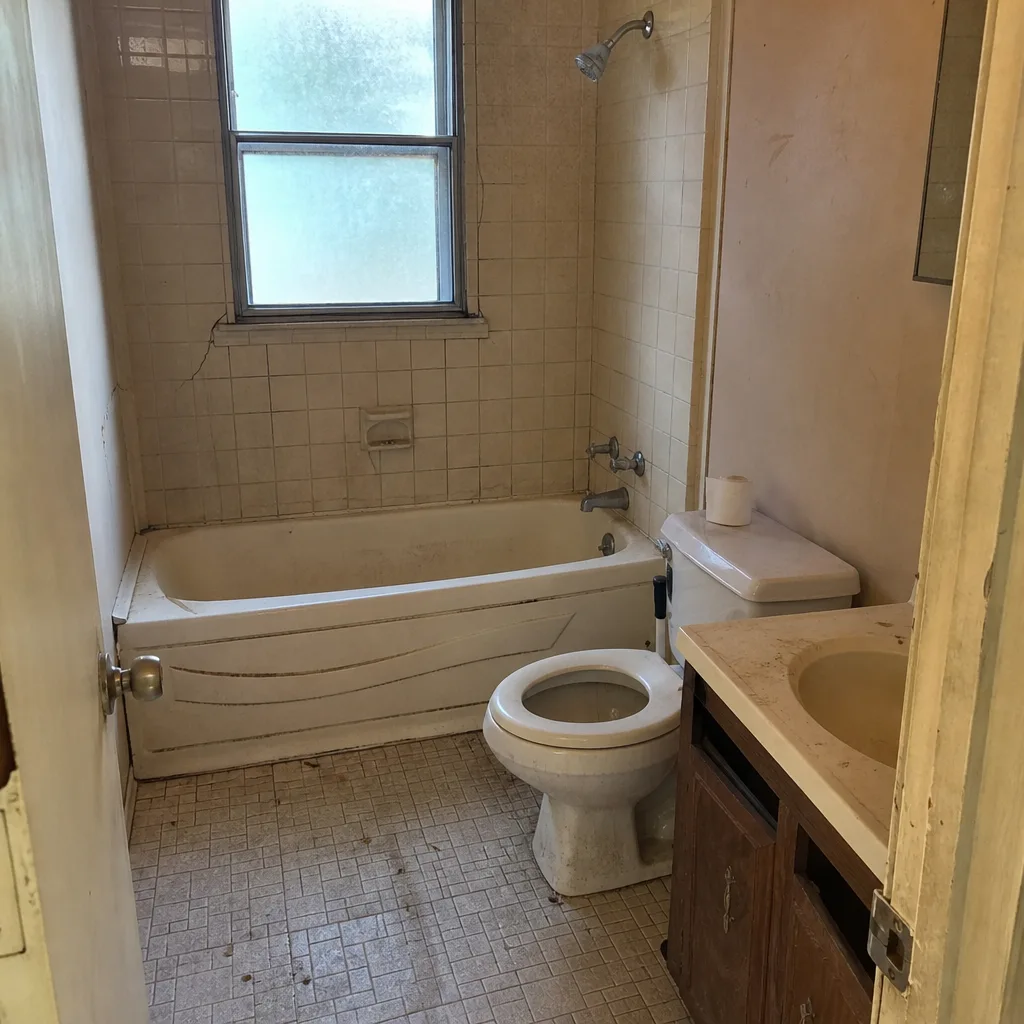 Before
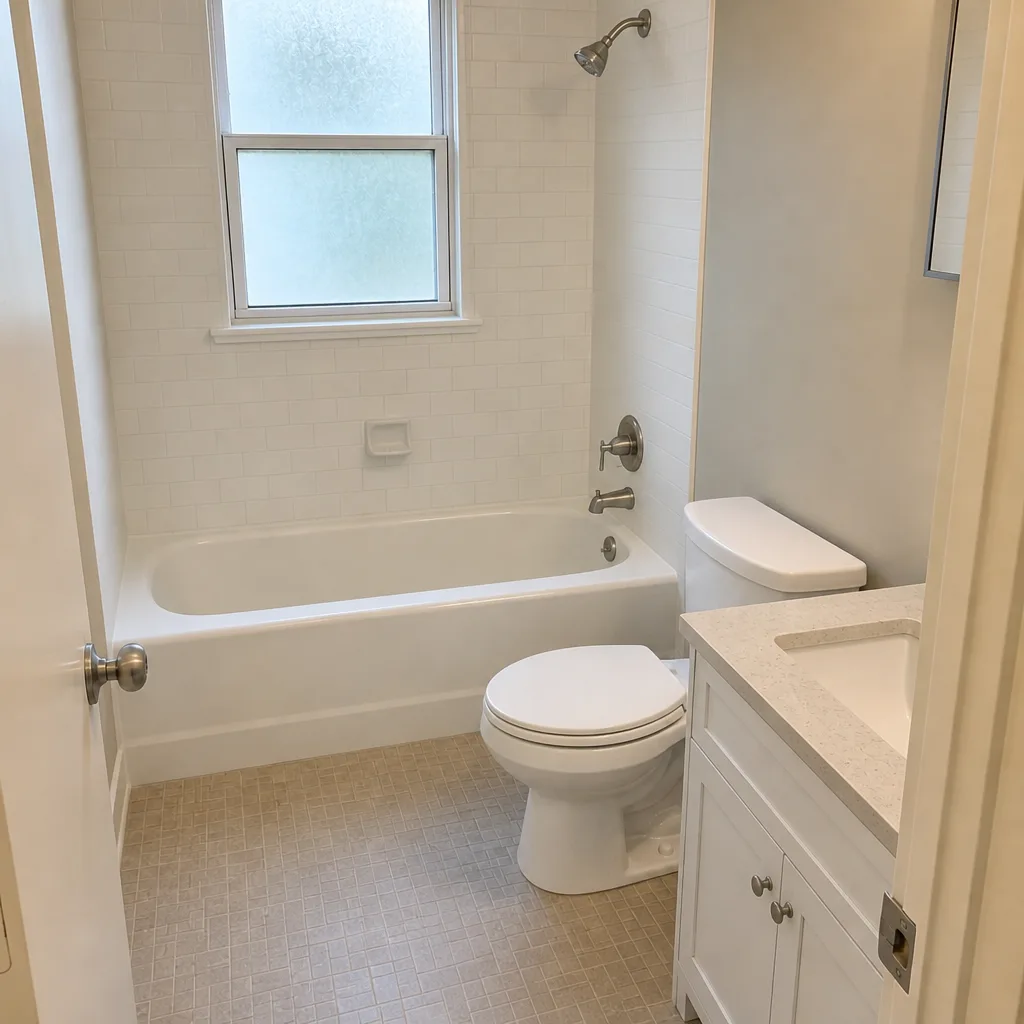 After
When to Call a Professional
Call a professional if any of these describes your project: it touches the roof envelope, the window openings, the electrical panel, the gas lines, or the load-bearing structure. Call us if you’re installing a product worth thousands and you want the manufacturer’s extended warranty to stay valid. Call us if the project crosses more than one trade, because coordinating five vendors on one timeline is a job in itself. Call us if the failure mode would cost you three or four times the bid, because that’s the definition of a job that needs insurance.
Construction Garland offers free estimates in Garland and hands you a written, line-item quote with the price fixed for the scope. No change orders, no surprise line items. Our technicians have up to 10 years of experience, and our material library spans more than 50 manufacturer brands so you pick the material, not the other way around. Call (888) 405-7616. We answer 24/7. Fast dispatch from 7am to 7pm, Sunday through Friday.
Frequently Asked Questions
Yes, for their own primary residence, Texas allows homeowners to perform and permit their own construction and repair work, with the exceptions that electrical, gas, plumbing, and HVAC must be handled by licensed trade contractors. Everything on your own homestead is broad but not unlimited: structural work that requires sealed engineering plans, and anything outside what the building department will issue to a homeowner, needs a licensed professional. Confirm the scope with Garland’s building department before you start.
It often voids the extended and labor portions of it. GAF, CertainTeed, Owens Corning, IKO, Atlas, and Tamko all publish warranty tiers that require certified or licensed installation for the strongest coverage. A homeowner-installed roof typically falls back to the material-only warranty at best. Call (888) 405-7616 for a written estimate, and let’s price the job against the warranty you already own.
Garland’s Blackland Prairie clay expands when wet and shrinks when dry, and slab or paver installations built to a stable-soil spec get pushed around from below. Base depth, compaction in lifts, geotextile separation, and correct drainage slope are the four things that prevent early failure. Miss them and you’re looking at settlement and cracking within a few seasons. Call (888) 405-7616 for a free estimate on a base build that accounts for the local soil.
No, not on the scope we quote. We write a line-item estimate and the written estimate sets the price. If the scope changes because you discover an issue during demo or an inspection surfaces something hidden, we price the change in writing before we act on it, not after.
It depends on the project, and the honest answer is that a professional bid is virtually always more than the material cost of DIY, because you’re paying for labor, licensed installation, permit work, inspection management, and the warranty record. The comparison that matters is against the risk-adjusted cost of a DIY failure, not against the raw material bill. Call (888) 405-7616 for a free written estimate so you’re comparing apples to apples.
Yes. Permits are pulled to the correct scope and inspections are managed as part of the project, so the passed-final documentation ends up in your file. That record is what protects you on resale, on insurance claims, and on future warranty work. Call (888) 405-7616 to scope your project and start the permit conversation.
The Bottom Line
DIY works when the scope is small, reversible, and doesn’t touch the envelope or a utility. It costs more than it saves when the project requires a licensed installer for the warranty, when the failure mode is a demolition order, or when the soil under it moves twice a year. Use the permit question first, the warranty question second, and the failure-cost question third. If any of the three answers go against DIY, don’t fight it: call (888) 405-7616 for a free estimate. We answer 24/7. Fast dispatch from 7am to 7pm, Sunday through Friday. Construction Garland is closed Saturday.
Written by the team at Construction Garland.